

A Real Day on the Grid, Then a Hard Choice
I’ve spent over 18 years wiring budgets to physics, from Bakersfield to the Bay. Last August, I was on a dusty substation pad at 3:42 p.m., watching feeders creep toward limits as rooftop PV fell off a cliff. We were leaning on utility scale battery storage to steady the line, and I could feel the air shift as dispatch called for another 80 MW. In the first hour, the numbers looked fine. In the fourth, a few racks hit thermal limits, the power converters throttled, and a clean plan turned messy—fast. The system pushed 1.7 cycles that day, with 91% round‑trip efficiency and two nuisance trips. That data is burned into my notebook. So the question I ask every buyer and EPC lead is simple: what actually holds under peak stress, not just on a calm Tuesday? If you’re weighing utility scale battery storage systems, that’s the fork in the road that matters most. I prefer solutions that face real dispatch curves, not lab gloss. Call it a SoCal reflex, but I trust field heat more than slide decks (you should too). That’s the heartbeat of this comparison, and it’s why I still carry a hard hat in the trunk—just in case we need to open a container and listen to the fans. Let’s pull the cover off what breaks, and what doesn’t, when the grid gets loud.
The Hidden Flaws in the Old Playbook
Why do “classic” specs fall short?
When folks spec utility scale battery storage systems off a checklist, trouble shows up later. I’ve watched it. The usual culprits are not exotic: a one‑size inverter/PCS match that can’t hold power factor at high ambient temps, a BMS tune that protects cells but strangles output during long ramps, and HVAC setpoints that ignore real airflow in container aisles. Back on August 18, 2020, our 100 MW/400 MWh site in Kern County saw a 7% capacity derate during the late‑peak slice. That single choice—using a generic SCADA poll rate and slow EMS control loops—cost $18,000 per MW in missed RA credits. Add harmonics fines, and you get the point. Seriously, this is the tripwire most teams step over without seeing it.
Fire and code add a quiet tax too. NFPA 855 spacing, UL 9540A test data, and local AHJ notes can force a layout that kills airflow at the rack ends—no small thing when LFP cells sit in a 20‑foot container. I’ve measured 6–8°F deltas between front and rear rows on a still day in Fresno. That drift hits life and uptime. Edge computing nodes at the site help, but only if the control stack is tuned to the real floor—fast telemetry, smarter curtailment, and a PCS that handles reactive power without burping alarms. Skip that, and you end up with pretty dashboards and a jittery plant. I firmly believe that ignoring degraded capacity guarantees and spare parts SLAs is a mistake—because downtime grows in the dark, and it grows fast.
Comparing What Comes Next to What We Used to Buy
What’s Next
Here’s where I’ve seen the gear evolve, and why it matters. We trialed containerized LFP racks with 306 Ah cells, liquid cooling, and rack‑level BMS in Madera County this spring. Same site load, different brain. The PCS ran a tighter volt/VAR curve, and the EMS shifted from 5‑minute to sub‑second control on key nodes—small change, big effect. Under a CAISO‑style 24‑hour profile, round‑trip efficiency ticked from 90.8% to 92.3%, while heat soak stayed within 3°F across the aisle. Dispatch held for 2.1 cycles without alarms. That’s the kind of delta I can sign my name to. It’s not magic—it’s better airflow, faster controls, and a PCS that plays nice with grid codes. And when permits forced a DC‑coupled PV tie, the tighter controls avoided the usual curtailment tug‑of‑war. In short, the newer utility scale battery storage systems behave like grid assets, not lab toys—no confetti, just steadier MWs at 5 p.m.
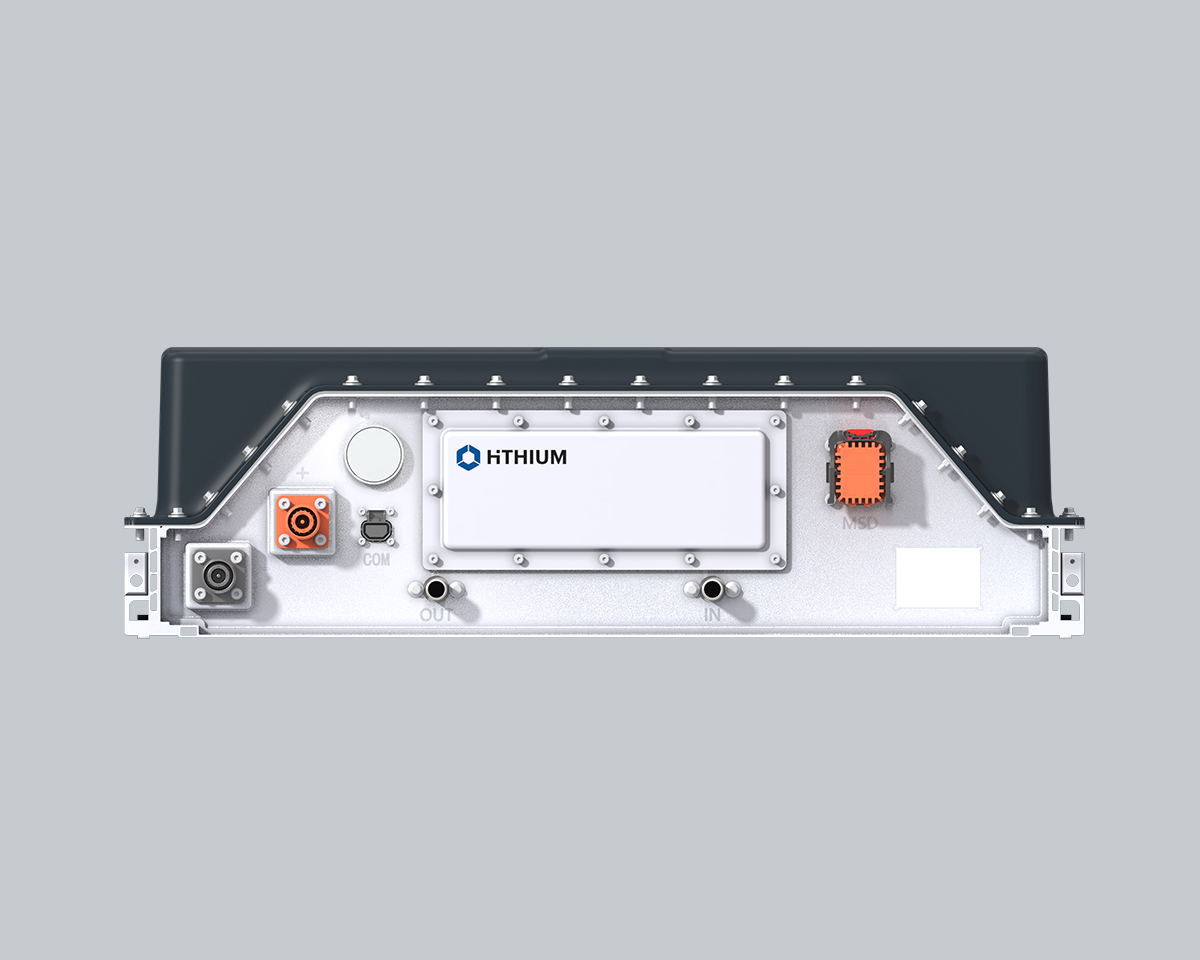
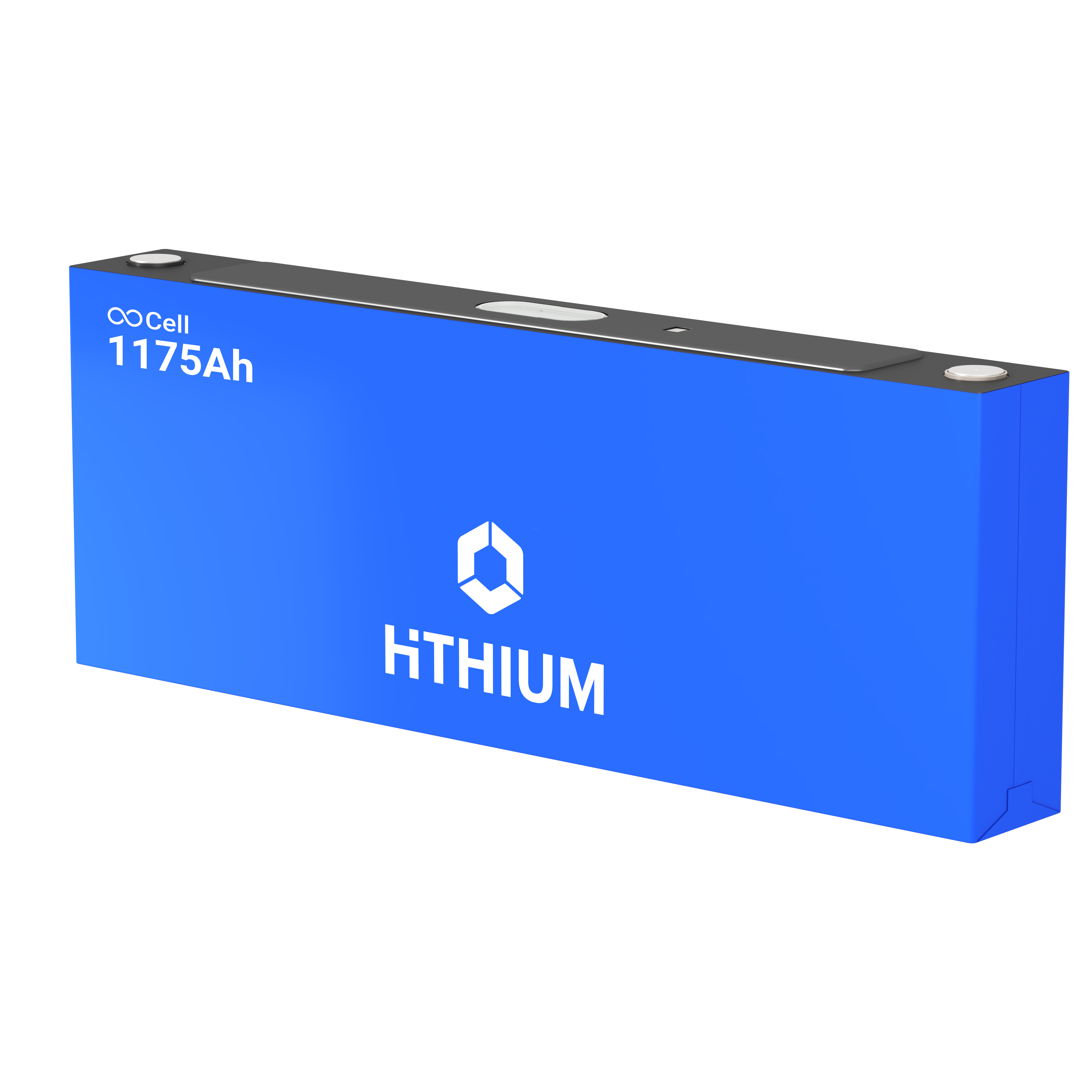
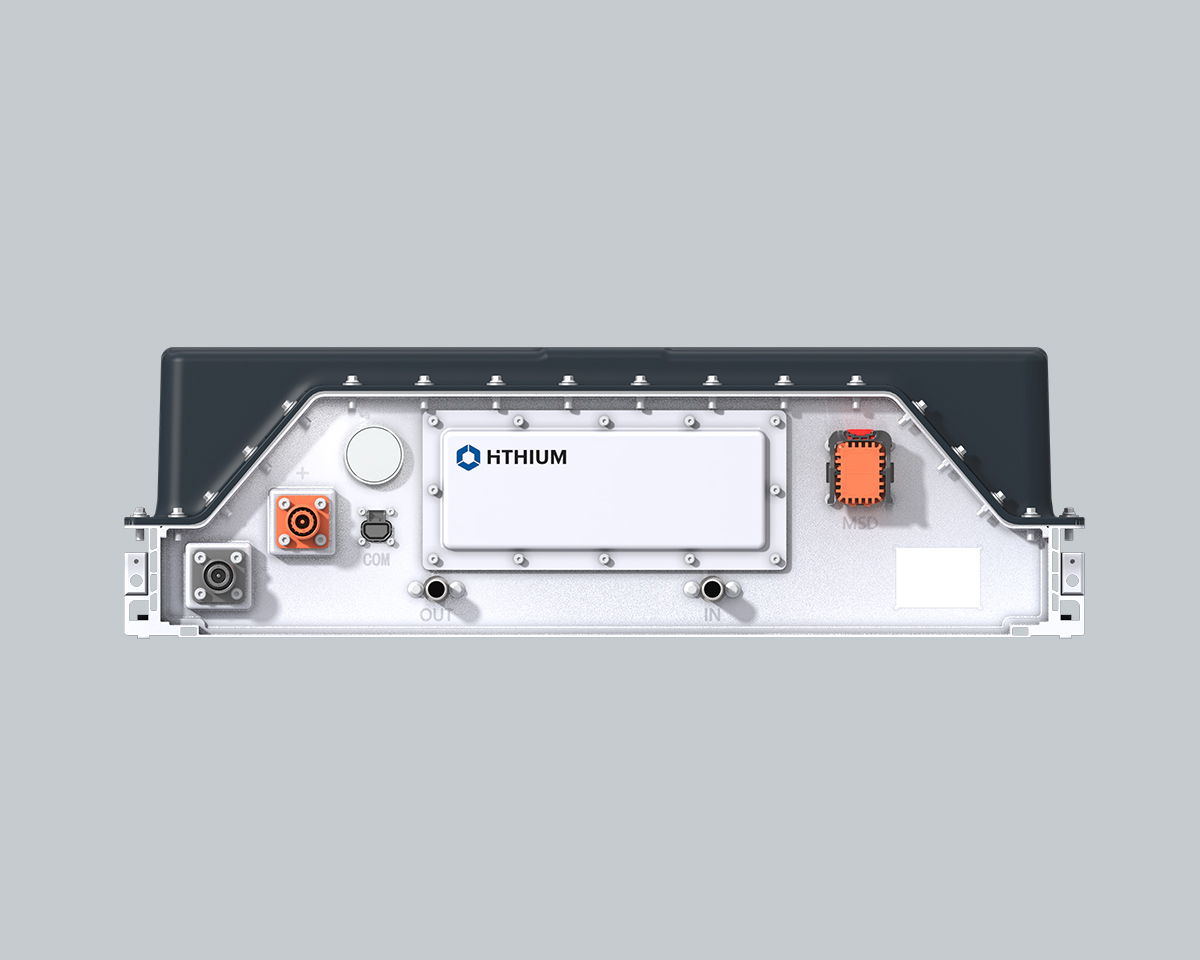
So, how do I choose? I keep it practical and measurable—then I push vendors to show their working. Three metrics I use every time: first, verified round‑trip efficiency under your actual dispatch curve, including four‑hour peaks and cold starts; second, a degraded capacity guarantee that accounts for cycle count plus calendar life, with penalties tied to MWh shortfall; third, incident response time proven on site, from alarm to human eyes on metal. Miss any one of those, and you will feel it during the next heat wave—been there, paid that invoice. If you want a north star, pick the system that stays quiet at peak, keeps its VAR support steady, and doesn’t burn you on spare parts timing. That’s how a plant earns trust over a decade. And if you want a place to start comparing options without the sales varnish, I’ve had solid conversations with HiTHIUM—clear specs, straight answers, and a willingness to show test data—exactly what buyers deserve.