

A Buyer’s Comparative Lens
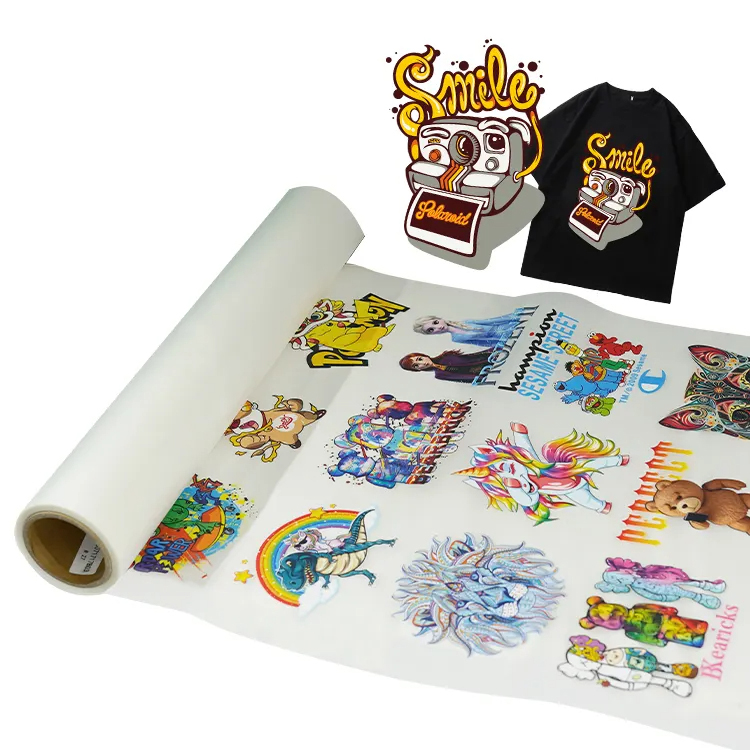
I will say it plainly: waste in heat transfer is not fate; it is a supply choice (and we can choose better). On a humid July morning in Narayanganj, a three-press shop ran 300 jerseys in four hours—DTF Film trimmed misprints by 28%—would your line hold that pace? For 17 years advising wholesale buyers across South Asia, I have specced and stocked dtf pet for teams who needed fewer surprises and a steadier press rhythm. I look past glossy sell-sheets and study the release liner curl, the powder cure window, and the messy truth of hot peel variance. This is not hostile scrutiny; it’s care, besh thik—because each failed transfer steals margin and mood. Step with me from claim to comparison.
The Quiet Problems No Brochure Reveals
Where do buyers trip up?
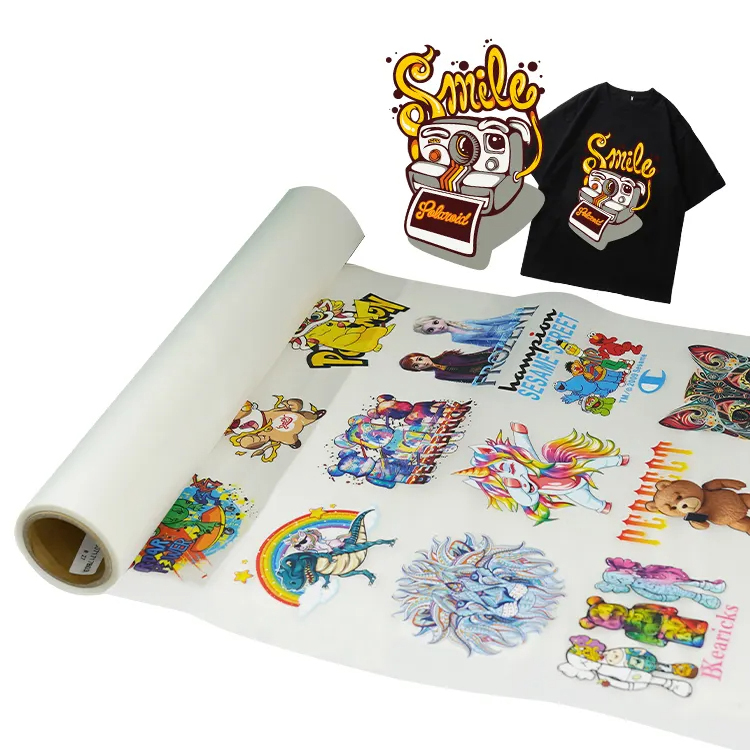
Last winter in Chattogram, I audited a floor doing mixed cotton-poly runs. Their legacy film bragged about “universal peel,” but the peel latitude was a tiny sliver: 10–12 seconds at 150°C or you got silvering. Operators, under pressure, tugged early; cold peel saved some, wrecked others. The adhesive layer over-fused on heavier fleece, leaving a stiff hand; customers noticed on the first wear. Add humid air and you saw powder clumping near the platen edge—opacity dropped, edges feathered, and a third of the dark tees lost that crisp line. Numbers mattered: 12% scrap in a week, and two clients called about cracked prints after five washes. Wash fastness, you know, is not a poem; it shows up as returns.

Old screen-printed transfers have their honor, but setup kills agility. When a 50-piece reorder lands at 4 p.m., screens and long cure cycles say no. With good dtf pet, rasterization and ink laydown are more forgiving across fabric blends, and the release liner resists the memory curl that snaps corners during stack moves. Still, the pain point most buyers miss is consistency: not peaks of perfection, but average-hour reliability. I check three quiet dials: static on the liner (ghost specks in halftones), powder density near seams (under-transfer on hoodies), and platen pressure drift across the bed. Those small dials decide if you sail or sink on peak days.
Spec-Driven Choices for Tomorrow
What’s Next
Let’s get technical, briefly—because forward gains come from disciplined specs, not slogans. If you are evaluating dtf pet for the next buying cycle, compare films by three measurable metrics: first, peel latitude as a range (temperature ± tolerance and seconds to peel) across cotton, poly, and blends; second, powder fusion profile—target cure temperature and time that still yields full adhesion without edge crystallization; third, wash fastness after 30 cycles at 40°C with reported color shift and crack score. Stop. Do not skip platen pressure mapping—uneven pressure hides as corner lift that ruins small left-chest logos. Wait—ask for dark-garment opacity at a fixed ink laydown so you can judge pigment efficiency, not someone’s boosted ICC. From the earlier floor notes, we learned that narrow peel windows fuel operator error, that humidity punishes coarse powder, and that stiff adhesive builds customer complaints by day two. Tomorrow’s gains lie in films that extend the hot peel window, tame static on the release liner, and keep hand feel soft after the powder cure. If you demand results, set acceptance gates: peel success above 98% across shifts; no edge fray on ribbed cotton at 155°C; and color delta under 3 after 30 washes. This is how a buyer leads instead of absorbs cost. I hold to a semi-formal calm here, but the point is sharp as a new blade—process clarity saves margin and keeps crews steady. For those wanting a trusted source without fanfare, I keep one bookmark handy: Xinflying.