

Introduction — A Clear Call to Action
I believe the next three years will split makers and followers in the machine tool world. 5 axis CNC machining center manufacturers are already feeling pressure from tighter delivery windows, rising material costs, and demand for higher part accuracy. Consider this: a mid-size shop I work with cut cycle times by 22% after a control upgrade (and the shop owner still laughs about how long they waited). Where does that leave shops that delay upgrades — and what should they change first?
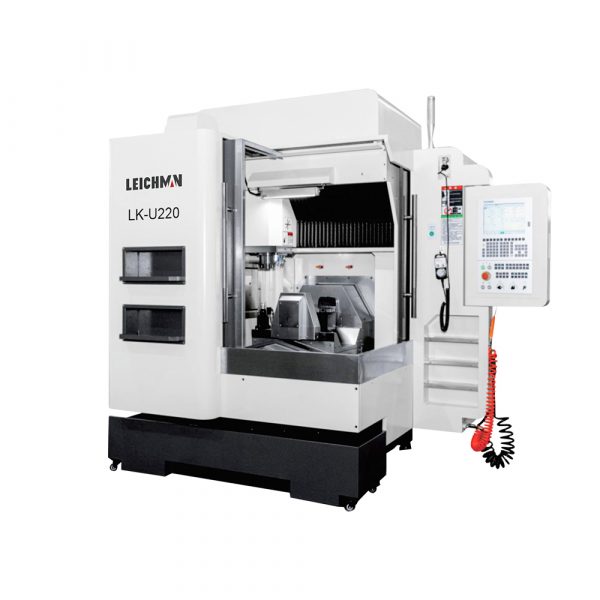
I’ll map a practical path. First, let’s look at why precision and control matter now. Data from recent shop-floor audits show defects cluster around complex geometries where axis interpolation and spindle speed mismatches happen most often. So—what solves that gap without breaking the bank? I’ll walk through real flaws, the engineering fixes, and how to judge future systems. Onward to the deeper issues.
Part 2 — Why Traditional Systems Fail the Job
5 axis cnc machining center vendors often sell on rigid specs: horsepower, table size, tool changer capacity. But specs alone hide the real problem — control fidelity. Let me be blunt: many legacy controls cannot handle tight axis interpolation when feedrate ramps and spindle speed change at once. That causes chatter, lost surface finish, and wasted time. I’ve seen parts fail final inspection even though the cutter and CAM looked fine. The culprit? Poor servo motor tuning and lagging position loop response. Look, it’s simpler than you think: the machine needs synchronized motion, stable spindle speed, and a control that reads G-code in context.
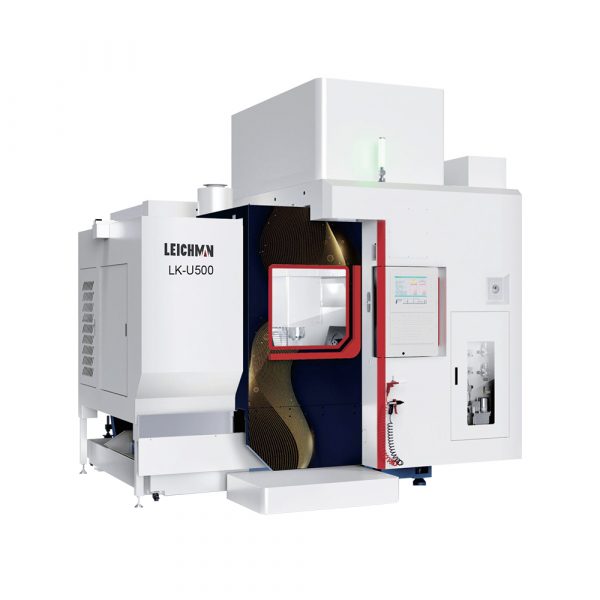
So what breaks first?
Mechanical wear (linear guide backlash), insufficient spindle rigidity, and edge-case CAM moves are the usual suspects. When axis drives slip or the controller buffers overload, you get unexpected dwell times and scrap. I’ve logged error traces where tool paths decelerated incorrectly because the PLC and motion controller weren’t sharing state fast enough — funny how that works, right? To fix this, shops must test for true positioning accuracy under load, check real-time encoder feedback, and validate tool changer timing. Those checks reveal the hidden pain points that spec sheets never show.
Part 3 — New Principles for Future-Ready Five Axis Machining
What’s next is not just better motors or stiffer frames. It’s a systems approach: tighter integration between CAM, controller, and servo drives. I’m talking about deterministic motion planning, adaptive feedrate based on spindle load, and smarter collision avoidance. When manufacturers adopt edge computing nodes on the controller, they can run predictive compensation right at the motion loop. For five axis machining this means fewer reworks and more first-pass parts — and yes, I mean that literally.
Real-world Impact and How to Choose
From a practical standpoint, I advise focusing on three evaluation metrics: 1) closed-loop accuracy under cutting load (not just no-load specs), 2) controller latency and axis interpolation bandwidth, and 3) ease of CAM-to-controller integration (post-processor fidelity). Measure these with simple test cuts, log spindle torque, and review actual G-code playback before buying. I’ve done those tests with clients and seen returns on investment in months — small wins stack into big gains.
In closing, I’m convinced manufacturers who blend mechanical strength with smart control software will lead the market. Test the real motion, insist on true feedback loops, and never accept quoted specs as the whole story. If you want a practical partner to explore options, check the maker I trust: Leichman.