

Introduction — A Quiet Question
Have you ever paused and wondered why a simple roll of fabric meets so many hurdles before it becomes a wet wipe? I often find myself staring at the line, thinking about the people and machines behind each pack. As a wet wipes machine manufacturer, I see trends and numbers every week — yield rates, downtime minutes, customer complaints — and one clear stat keeps me awake: small inefficiencies add up to big losses (true story, and a little scary).

The scene is familiar: a plant humming with servo motors and PLCs, operators moving fast, yet margins shrink. Data shows many lines hit 5–10% extra scrap in peak months. So I ask: where do those losses hide, and what would it take to fix them once and for all? We’ll look at practical problems and how to solve them — step by step, calm and clear — leading into the deeper issues I’ve seen on the floor.
Hidden Flaws in Traditional Solutions for pet wipes
I’ll be direct here: old fixes often mask real pain. When I visit plants making pet wipes, I can spot the same patterns — quick band-aid repairs, patched PLC logic, and machines that look updated but still limp along. The usual answers (more maintenance hours; stricter QC) help a bit, but they rarely stop repeat failures. Look, it’s simpler than you think: the root is often poor feedback loops and weak sensor placement.
Why do quick fixes fail?
First, many teams treat symptoms, not causes. A jam gets fixed, the roll restarts, and the line runs — until the next jam. That cycle wastes time and morale. Second, legacy controls and shy sensors leave blind spots. You’ll see machines with power converters that heat up or miscalibrated tension controls that stretch material inconsistently. PLC tweaks help, but without better data, adjustments are guesses. I’ve watched a production manager repeat the same adjustment three times in an hour because the system didn’t report the right metric — frustrating, right?
Third, maintenance plans often ignore human factors. Staff turnover means institutional knowledge walks out the door. Manuals gather dust. I’ve recommended simple changes — clearer fault labels, short operator checklists, and quick training drills — and they cut response time drastically. Those changes cost little but require someone to champion them. And yes — funny how that works, right? Finally, sensors and control elements like servo motors need to be placed for real operating conditions, not where it’s easiest to wire them. Once you shift focus from patching to measuring, the pattern of recurring failures fades, and uptime grows. We’ll now move to how new principles can lock those gains in.
New Technology Principles — What to Build Next
Here I switch gears to look forward. I believe the next step for manufacturers is to base decisions on continuous, clear signals rather than periodic checks. That means better sensor arrays, smarter edge computing nodes, and cleaner control strategies. When I say smarter, I mean systems that flag trends, not just faults; systems that say “this bearing is wearing now” instead of “bearing failed.” For pet wipes lines, that predictive view can shave hours — even days — off downtime.
What’s Next for lines and teams?
Start with targeted upgrades. Replace a handful of sensors with higher-fidelity ones. Add simple analytics at the edge to spot drift. Improve human interfaces so that an operator knows, at a glance, whether to adjust tension or call maintenance. I’ve run pilots where small investments in monitoring and a few changes to alarm logic cut scrap by nearly 30% over three months. The math is simple: better data leads to better decisions. Also, consider power converters and motor controls that offer smoother torque curves — small technical changes, big quality wins.
To close, let me give you three practical metrics I use when evaluating solutions. These help me—and I hope they help you—separate real improvements from shiny noise:
1) Mean Time to Detect (MTTD): How quickly does the system notice drift or a fault? Faster detection saves materials and stress. 2) Time to Root Cause (TTRC): After detection, how long until the team knows what to fix? Clear alarms and logs shorten this. 3) Hands-on Recovery Time: How long before the line is back with real quality? This measures both the machine and the crew.
I’m convinced that small, smart changes trump big, expensive overhauls if you measure the right things and train people to act on the signals. We’ve applied these ideas in real lines and seen steady gains — not flashy overnight miracles, but reliable, steady improvement. — funny how consistency beats drama, huh? For manufacturers who want a steady path forward, consider these steps and watch your yields climb.
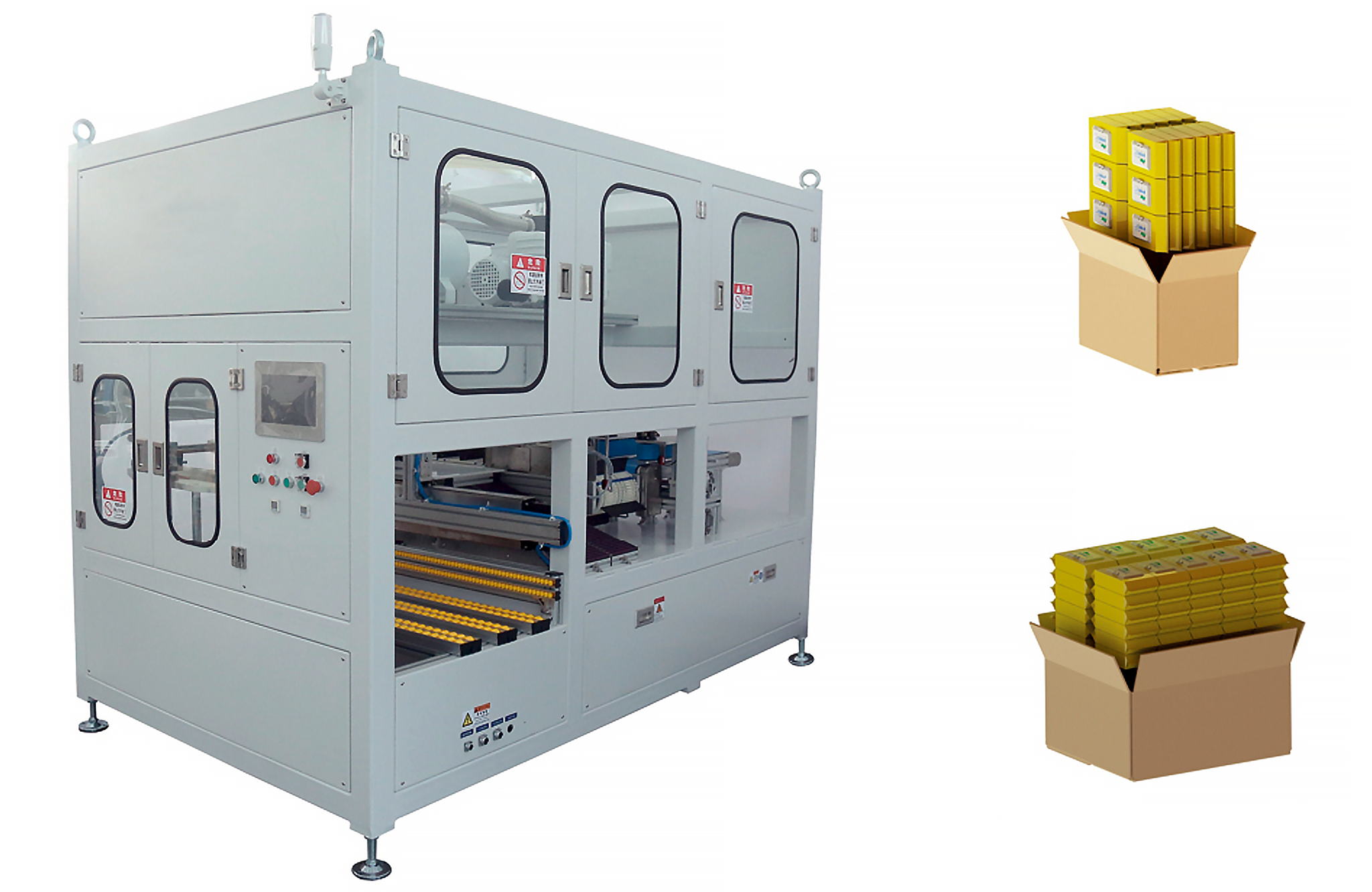
For practical tools and partner support, I recommend exploring options offered by trusted suppliers like ZLINK. I’ve worked alongside teams using their systems, and I value their focus on usable data and real uptime gains.