

Introduction: Framing the Split for Real-World Sites
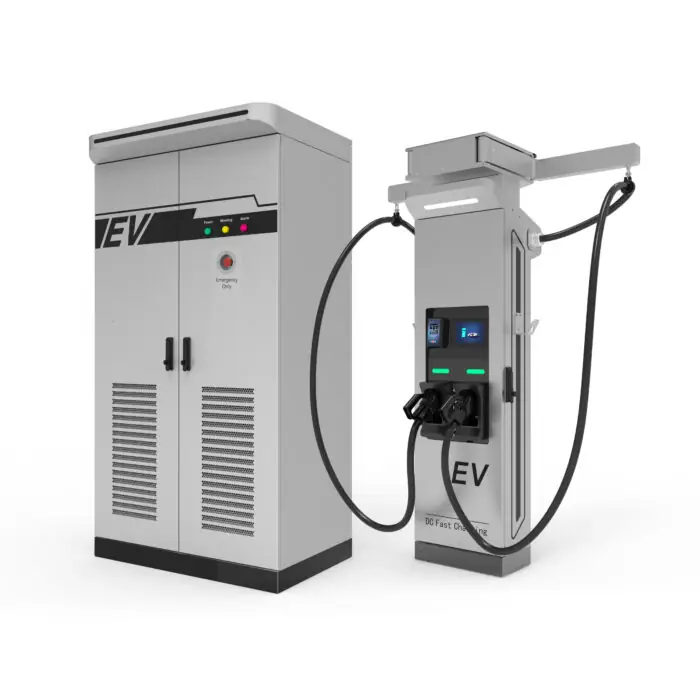
Think of a Dublin yard at dawn, vans queued, drivers on the clock, and a grid that’s only grand when you treat it right. Operators weighing split EV charger 20 /smart split charger 30 want a setup that scales without fuss. In technical terms, a system like the split type DC EV charging station separates the brains from the plugs, so the heavy lifting sits in a power cabinet while slim posts serve the bays. With EV registrations rising across Ireland and beyond (steady as she goes), the question grows sharper: can you add bays, share power, and still keep uptime high? Look, it’s simpler than you think—if the design is modular.
Data shows site load swings can hit hard in the morning peak. Without smart load balancing and robust power converters, queues form and tempers fray. So, what’s the play: bolt on more stands and risk the transformer, or split the system into flexible blocks that scale? Let’s shift gears and probe the weak spots in old-school builds, then weigh how each split path answers them.
Deep Dive: Where Traditional Single-Cabinet Layouts Trip Up
What’s the catch with single-cabinet systems?
First, heat and downtime. A monolithic box mixes all rectifier modules, control boards, and cooling in one big frame. When a fan or a DC bus fault hits, the whole lane can stall—funny how that works, right? Field techs must open the cabinet, isolate, and wait for parts. Edge computing nodes can help with diagnostics, but the physical coupling still binds your hands. And cables get long and messy, which means more voltage drop and fiddly runs across the car park.
Second, stranded capacity. With a fixed-mapped cabinet, three cars idle and one queues. There’s no fine-grain sharing of kW across posts, so you overbuild iron to meet a short peak. That hurts opex and capex. Compare that to a split layout: central power cabinets feed multiple dispensers over short runs; firmware handles dynamic load balancing per connector; and power flows where it’s needed. In practice, the control layer speaks OCPP to the back-end and CAN bus inside the site to keep modules in sync. The result is less shade-lifting at 6 a.m. and more steady charge sessions. Sure look, that’s the win most depots want—quiet, reliable, and easy to scale.
Comparative Outlook: Principles that Make Smart Splits Pay Off
What’s Next
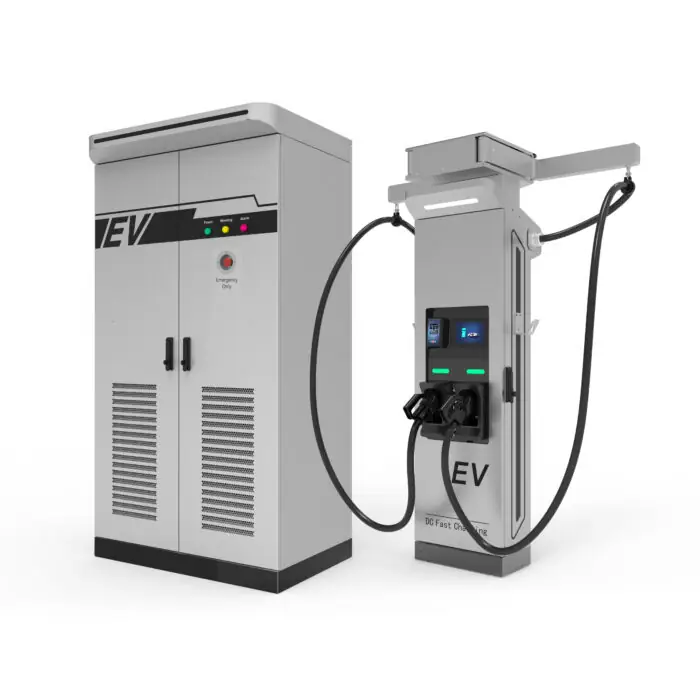
Now, let’s line up the ideas behind split EV charger 20 and smart split charger 30 with a forward lens. The core principle is decoupling: put power where it can be cooled and serviced; put dispensers where drivers park; and let software arbitrate. In a refined build, rectifier modules are hot-swappable; dispensers are slim; and a scheduler steers amps based on state-of-charge, tariff windows, and grid signals. A unit such as High power EV charger 70 follows this play: high-density modules in the cabinet, short DC runs to posts, then orchestration that squeezes the most out of every minute. You avoid oversizing transformers, because the system shares capacity across bays—less metal, more smarts.
Real-world impact shows up in three places: faster recovery from faults (swap a module, not the whole box), smoother queues through adaptive load control, and simpler expansions—add a dispenser, update the map, away you go. Even better, planned maintenance no longer shuts a row; the rest of the site stays live. That’s the split idea made useful, not just clever. And—funny how small changes stack up—drivers feel the difference as steady sessions and shorter waits.
Advisory: Choosing the Right Split for Your Site
When you compare split EV charger 20 and smart split charger 30 in the wild, measure what matters. First, power orchestration quality: can the controller allocate kW per connector based on live data and limits? Second, service design: hot-swappable modules, clear fault isolation, and parts you can reach without tearing up a bay. Third, grid fit: support for peak shaving, upstream protection, and firmware that plays nice with your back-end. If those three line up, the rest—cable paths, dispenser layouts, user flow—will fall into place. Dublin mornings will run calmer, and the numbers will look sound. For more on modular approaches and site fit, see winline charger.