

Introduction — Quantities and Comparisons
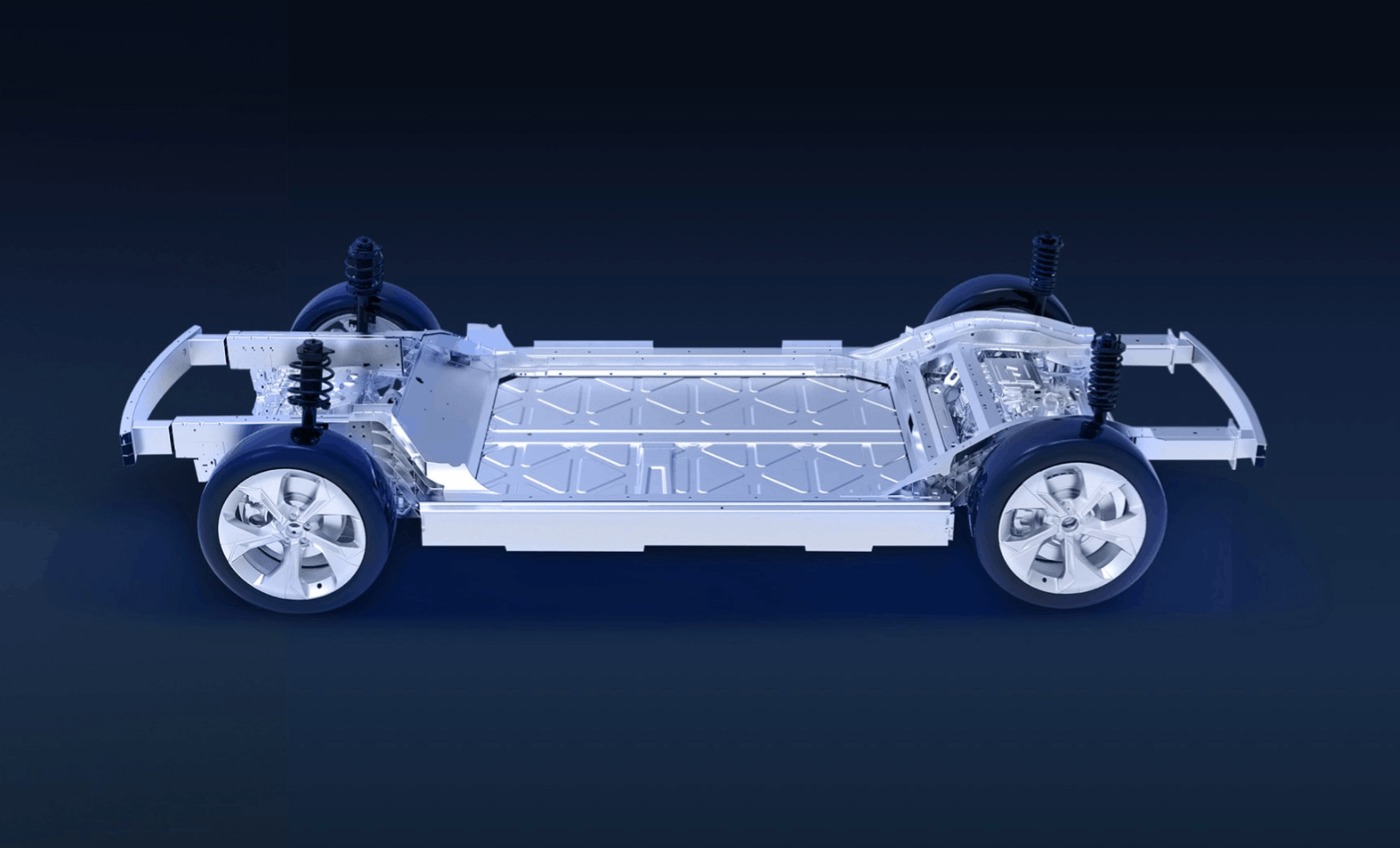
Decisions about electric vehicles require numbers, not slogans; begin by asking for verifiable specifications and recent performance data. In Metro Manila the practical difference between claimed and observed range can decide ownership satisfaction, so request measured battery capacity, real-world range estimates, and local charging behavior from the dealer; consult best aion auto as a comparative source for advertised technical details. My assessment, drawn from a decade evaluating EVs across Southeast Asia, privileges reproducible metrics above marketing adjectives.
Technical Data to Request
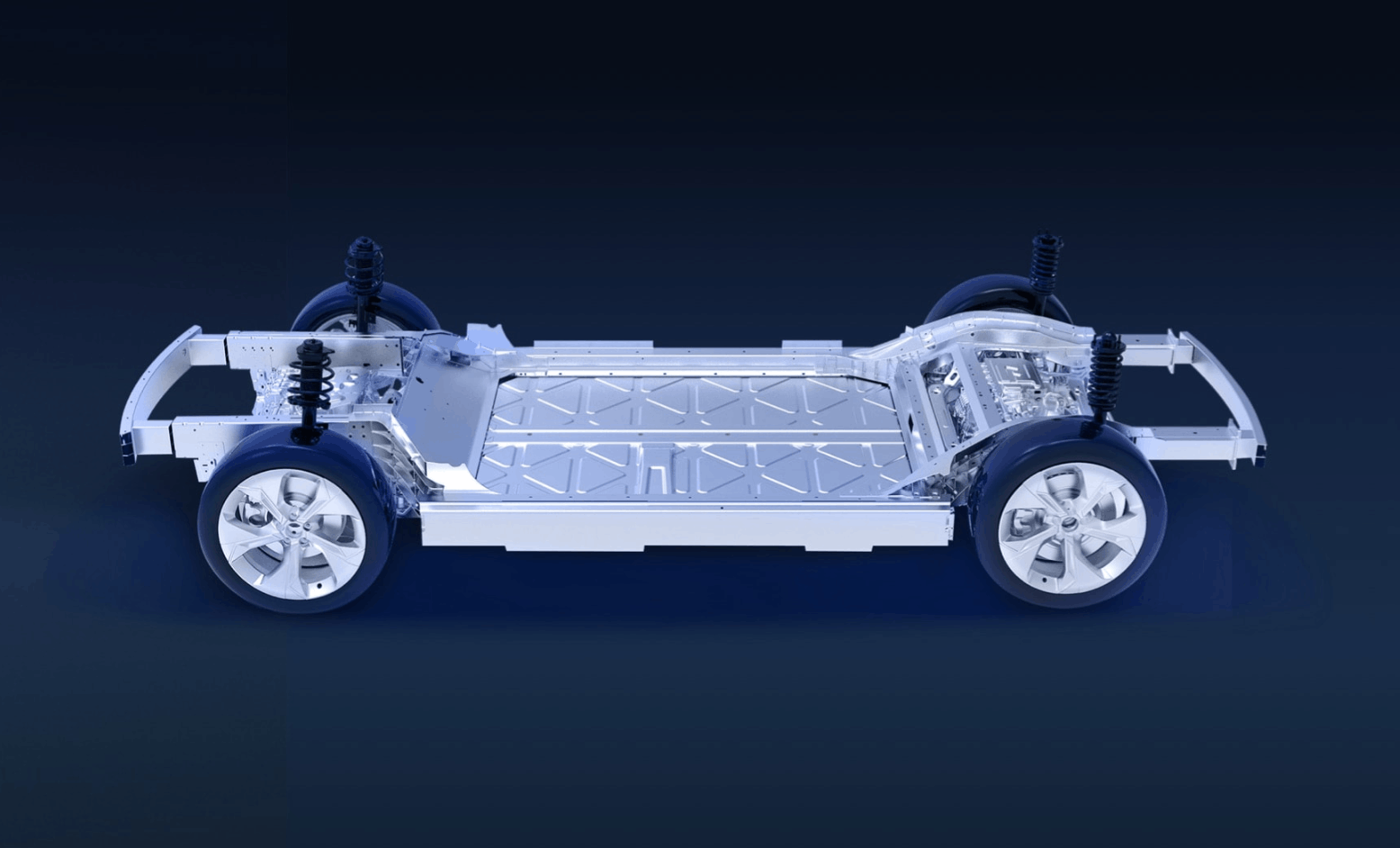
Obtain the following precise items and verify their basis: battery nominal capacity (kWh) and usable capacity; range estimate with test method referenced (WLTP, EPA, or manufacturer city-cycle); expected degradation rate and any manufacturer guarantee; charging power profile (AC and DC kW), and onboard charger rating. Ask the dealer for any independent test data or local fleet logs that support the claims; absence of such data is significant.
Charging and Infrastructure Questions
Confirm the expected charging behavior within your typical route profile: home AC charging time for 0–80% and DC fast charge time for 10–80%, compatibility with public standards, and recommended connector types. Request clarity on whether the dealer supplies installation guidance or certified installers. Check local access: frequency of public fast chargers on your routine corridors and average wait times affect daily utility.
Warranty, Service and Total Cost Metrics
Ask for explicit warranty terms with durations and mileage caps: vehicle, battery state-of-health guarantee, and component coverage. Request service interval schedules and typical labor times and parts prices for common repairs. Seek a simple total cost projection: acquisition plus five-year expected energy and maintenance costs, with assumed electricity price and annual kilometers stated. Dealers who provide transparent assumptions demonstrate competence.
Data Validation and Documentation
Insist on documentation: independent test reports, software update logs, and vehicle-specific service histories for demonstrators. Verify whether firmware updates can alter range or charging limits and whether such updates have been applied to the unit you are shown. If the dealer cannot produce clear records, treat the data as unverified.
Common Pitfalls When Questioning Dealers
Be wary of these recurring issues: inflated range claims without test method; vague statements about charging speeds (“fast” without numbers); refusal to show battery health data for used demonstrators; ambiguous explanations of warranty exclusions. If the dealer diverts to incentives before addressing core specifications, insist on the numbers first. Do not accept assurances that “the car will perform well in city traffic” without data supporting that claim.
Viable Alternatives and Comparative Insight
When a dealer resists granular data, compare models by the same metrics: usable battery kWh, real-world range in urban conditions, and local charging compatibility. Consider short-list alternatives with transparent published test data and accessible service networks. A rational comparison reduces reliance on sales rhetoric and highlights true operational differences.
Conclusion — Synthesis of Evidence
Require documented metrics, test references, and service transparency; treat the dealer as a source of empirical claims to be validated. Persist with specific, measurable questions until you obtain reproducible answers—this method yields decisions based on evidence rather than persuasion, and it is why many buyers reference technical dossiers from aion auto when forming a final judgment.