

Introduction — a shop-floor moment, a stat, and a question
I once stood beside a small laser cutter as a thin haze rose and the operator shrugged — “it’s normal.” That shrug stuck with me. In many shops, a single laser fume extractor sits quietly, assumed to be doing its job while employees cough softly or open doors (you know the scene). Recent surveys show that up to 40% of small manufacturing shops report poor air quality despite having extraction units. So why does the presence of a machine not always mean protection? I ask because I’ve seen the gap between equipment on paper and safety in practice — and it matters to people, to productivity, to what we breathe. This intro is short because I want to get into the real issues next — where the assumptions break down and where real fixes live.
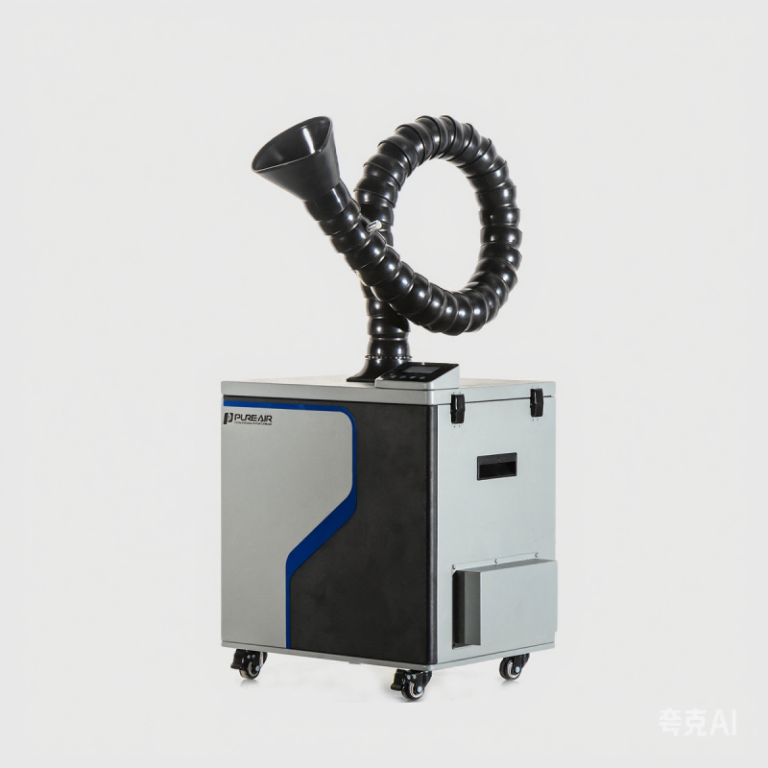
Why common laser fume extraction setups fail — a technical read
I’ll be blunt: many systems work only on paper. The core issue is mismatch — wrong fan size, clogged filters, poor duct routing. When these things aren’t right, capture zones shrink. Some teams rely on a top-mounted unit and assume airflow will pull fumes from every cut. It doesn’t. For reliable laser fume extraction you need correct airflow rate, proper static pressure, and the right filter stack (HEPA + activated carbon in many cases). I’ve audited systems where the fan motor was undersized and the duct had multiple sharp bends — that kills flow. Look, it’s simpler than you think: measure, match, maintain.
So what exactly fails?
Short answer: design plus maintenance. Long answer: filter efficiency drops over time; fan motors overheat; power converters cause intermittent speeds; and sensors are often absent or misread. In one shop I visited, the gauge looked fine — until we measured velocity at the nozzle. The readings were half what the spec called for. The extractor sat proud and useless. That’s a hard lesson. — funny how that works, right? If you want a safe shop, you can’t treat extraction like an appliance. You must engineer it like safety gear: specific, measured, and checked.
Forward look — new principles and practical metrics
Moving forward, I see three technology shifts that will matter. First, modular fan units with variable speed and smart control give you real-time airflow tuning. Second, combined HEPA and activated carbon modules improve capture of both particulates and VOCs. Third, sensor-driven feedback — simple airflow sensors or optical particle counters — lets you verify performance continuously. When we design for modern laser fume extraction, we talk about control loops, filter change alerts, and easy access for maintenance. These are not sci-fi; they are practical steps that reduce downtime and protect people.
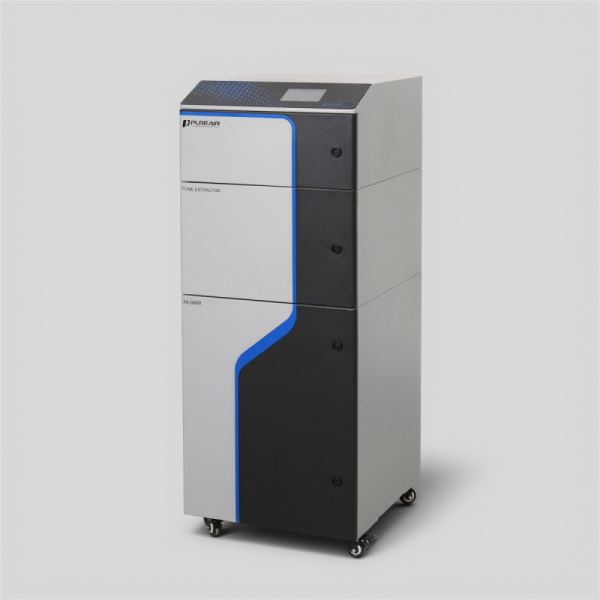
Real-world advice — what to measure now
If you’re choosing or upgrading a system, I recommend three metrics you can use right away: 1) Measured airflow at the nozzle (CFM), not just fan rating. 2) Static pressure across the filter bank — this shows actual load. 3) Filter efficiency and age (track hours). These three tell you whether a system is performing, not just present. I also advise looking for units designed with straightforward service access — replacing filters should be quick and clean. We want reliable extraction, plain and simple, and those metrics get you there. — and yes, you’ll sleep better knowing the numbers match the need.
For practical solutions and equipment that follow these principles, I’ve leaned on vendors who prioritize measured performance and real serviceability. If you want a place to start, check out PURE-AIR for options that pair sensible design with clear data: PURE-AIR.