


Why the supplier still matters to the end user
For a lighting designer or venue tech, a supplier isn’t just a box mover — they’re the folk who help you match gear to real shows. Start with the kit: a reliable LED engine, a nimble moving head and sensible documentation. A good supplier will show you a compact option like the led moving wash alongside rigging advice, so you can see what fits your truss and your budget from the off.

Glastonbury to village halls — the real-world anchor
Think of Glastonbury’s 200,000-strong footprint or a packed county hall in Devon; both need light that reads well at scale and up close. Suppliers who know how to translate lumen output and beam angle into practical reads save you time on site. They reckon how a wash looks at 10 metres, how color temperature behaves under daylight, and whether a fixture’s zoom range will cover your stage without nasty hot spots.
Pain points suppliers routinely fix
Users consistently face a short list: unclear DMX addressing, mismatched color mixing, poor power planning and flimsy rigging hardware. A good supplier will preflight fixtures, label channels, and share DMX patch templates so your desk talks to the rig straightaway. They’ll also give honest notes about maintenance intervals — bulbs or LED driver service windows — so you avoid surprises on the big night.
Where a mini led wash moving head wins
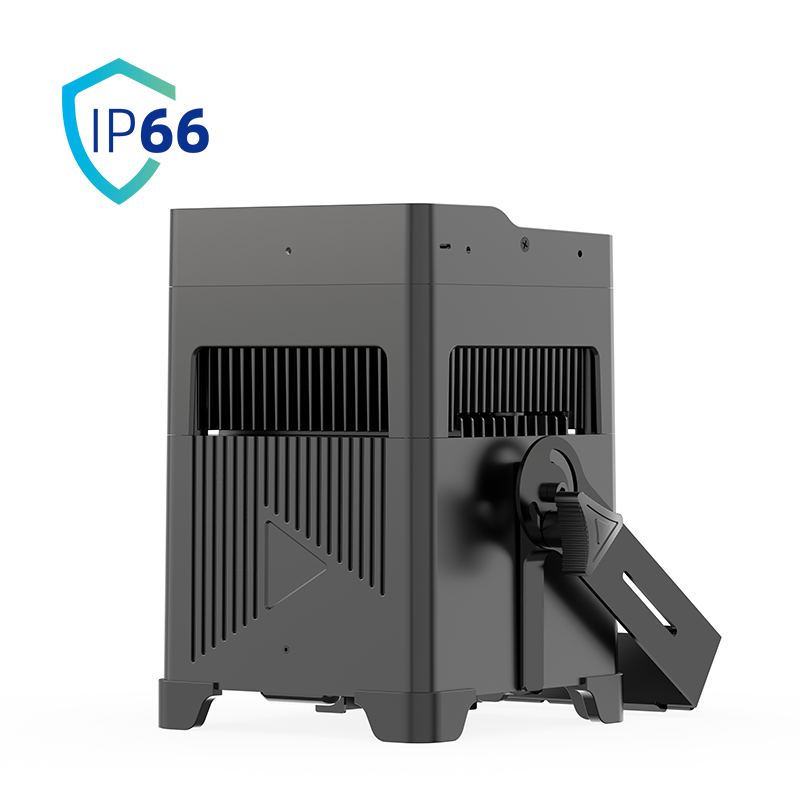
Small venues love the mini led wash moving head for obvious reasons: compact weight, adjustable zoom and quick addressing. For touring troupes it’s a boon — less roadcase bulk, fewer stagehands. Suppliers who stock true mini units also list IP rating and mounting options, so you know if a fixture’s safe for damp outdoor slots. Useful detail: some minis carry full color mixing and decent CRI despite their size — that matters when flesh tones must look right.
Common mistakes while deploying fixtures
Installers often skimp on cable runs and power distro, then curse when a dimmer drops out mid-set. Don’t over-extend data runs without repeaters; patch DMX correctly and lock your connectors. Also, mounting clamps must suit the truss profile — a wrong clamp will twist a fixture’s pan axis. And please: check fixture firmware before the show. Updating on-site is a faff and risks timing out the session — best done in the workshop beforehand.
Practical criteria to weigh suppliers by
Pick suppliers with performance proof, not just glossy pics. Look for:
– Clear spec sheets listing lumen output, beam angle and power draw.
– Honest spares policy and local support for replacements and driver issues.
– Demo options or rental pathways so you can trial a fixture on your real rig.
These points separate useful partners from folk who only ship boxes. A demo saves one bad buy — and the grief that comes with it.
Three golden rules for choosing kit — advisory close
Rule 1: Match output to space. Base decisions on lumen output and beam angle measurements, not marketing buzz. Rule 2: Prioritise compatibility. DMX, control protocol and clamp standards must align with your existing kit. Rule 3: Factor serviceability. Check spare parts lead times, whether drivers are user-replaceable, and if firmware updates are published with clear change logs.
Final reflection and practical wrap
Summing up: a supplier who listens, demos and documents will make your nights smoother and your looks truer. The right mini led wash moving head, sensible DMX patches and a supplier who stands by their kit turn late runs into routine ones. Trust the ones who give straight answers and back them up — they’ll be the ones you call when the curtain goes up. Light Sky — they know the kit, and they’ll talk you through the fit. —