

Introduction
Have you ever paid for a therapy session and wondered why the results were underwhelming? I ask because the scenario repeats itself across clinics and homes: a device sits in the corner, lights on, expectations high, outcomes mediocre. As someone who follows the field closely, I see this as a pattern—data shows inconsistent outcomes across studies and user reports—and it raises a blunt question: are we blaming the user when the equipment is at fault? In that mix sits the red light therapy company offering equipment and promises, and I want to argue that responsibility is shared. Here’s the situation: patients expect pain relief and faster recovery, clinics expect predictable throughput and ROI, and manufacturers expect repeat buyers. Yet many systems fail to deliver consistent irradiance or correct wavelength targeting. (This matters more than most sales pitches admit.) So what exactly is going wrong, and why does it matter for outcomes and budgets? I’ll walk you through the problem, dig into flawed designs, and then look forward to practical ways to choose better solutions. Let’s start by unpacking the common technical gaps that hide behind glossy brochures.
Why Common Red Light Therapy Setups Fail
What’s really broken?
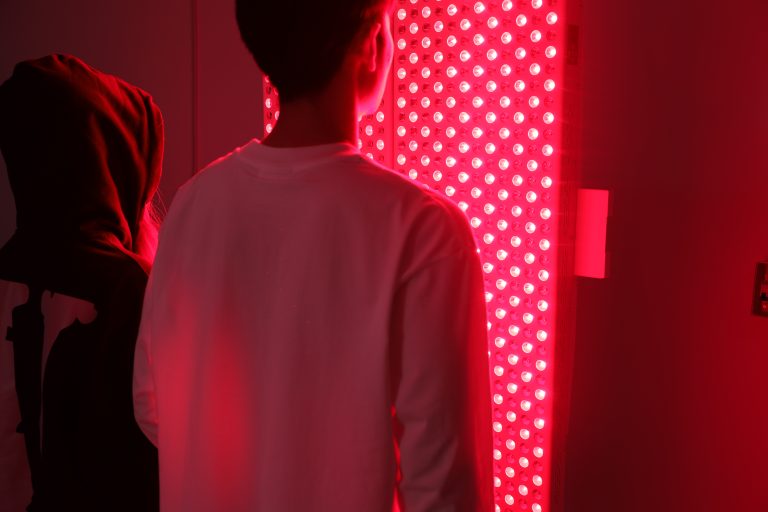
red light therapy beds for sale often sound like an easy fix: bright LEDs, a reclining surface, a timer. But I’ve watched clinics adopt machines with poor heat management and unbalanced LED arrays and then struggle to reproduce results. The real problem is not the concept; it’s the execution. When wavelength control is loose and irradiance drops across the panel, you get uneven dosing. That means one part of the body gets a therapeutic dose while another part gets almost nothing. I say this from experience reviewing device specs and from talking to therapists who are frustrated by inconsistent sessions. Look, it’s simpler than you think: if the light source can’t maintain a stable wavelength and power, the biological effect fades. We also see cheap power converters that introduce electrical noise, which shortens LED lifespan and shifts output. Add poor thermal design—weak heat sinks that allow LEDs to overheat—and the machine’s performance decays fast. — funny how that works, right?
More technically, manufacturers often trade off upfront cost for control systems. They skimp on current drivers and active feedback loops that regulate irradiance. The result: devices that pass a lab test once but fail under real clinic loads. I’m critical here because users pay real money and expect consistent photobiomodulation results. Clinics lose appointment reliability, and patients lose trust. From a business angle, the hidden cost shows up as higher maintenance, more replacements, and lower patient retention. So when I evaluate devices I look beyond lumens and marketing specs. I want to see LED binning data, stable wavelength profiles, and solid thermal pathways—things many sellers don’t advertise. These technical gaps are where the true inefficiency—and cost—lives.
Looking Ahead: Practical Choices and Future Outlook
What’s Next?
We can fix this without reinventing the wheel. In future designs I expect tighter control over wavelength bands and smarter sensor feedback—basic principles, but not yet standard across models. When clinics consider red light therapy beds for sale, they should demand specs that show how a device behaves under sustained use: continuous irradiance, measured wavelength stability, and cooling that keeps LED junction temperatures in check. I believe suppliers who adopt better current drivers and modular LED arrays will lead the market. In short: better electronics and thermal engineering deliver repeatable clinical outcomes. I’m optimistic—new designs are emerging that combine rugged power converters with active cooling and simple maintenance access. These are the practical upgrades that matter to operators and patients alike.
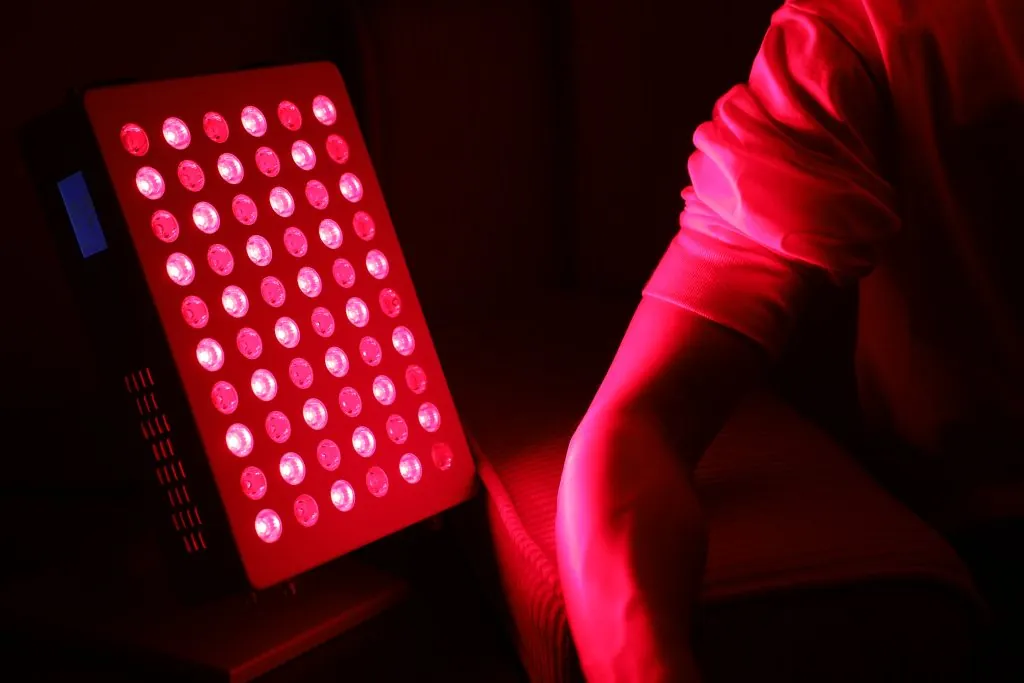
To make this actionable, here are three metrics I recommend for evaluating any red light therapy solution: 1) Measured irradiance at treatment distance (mW/cm²) across the entire panel; 2) Wavelength accuracy and bandwidth (e.g., 660 nm ± 10 nm); 3) Thermal performance—how much output drops after 30 minutes of continuous use. Test reports or third-party measurements are non-negotiable. I’ll be frank: don’t buy on price alone. Cheaper units often cost more in downtime and poor outcomes. If you follow these metrics, you’ll find devices that actually perform where it counts. We’ve seen clinics recover budgets simply by switching to units with better control systems and serviceability. The payoff is measurable: consistent patient outcomes, fewer repairs, and better word-of-mouth. In closing, I stand by practical, evidence-driven choices—because patients deserve reliable therapy and operators deserve equipment that pays for itself over time. For brands doing it right, like Magique Power, the focus is on engineering that supports clinical goals, not just flashy marketing.