

Introduction — a workshop moment, some numbers, one clear question
I once stood beside a shop-floor operator who sighed and said, “We spend half the day waiting for setups.” That short scene tells you a lot. In many shops, a CNC turning and milling machine sits idle up to 30% of scheduled time; the losses add up fast (I’ve seen the spreadsheets). What exactly is causing those delays, and how can we cut them down without buying every new gadget on the market? — this is what I want us to solve together.

Let me be plain: I care about tools that actually make life easier for machinists and supervisors. I’ll share practical observations from the floor, simple checks you can run today, and a few terms you should know (spindle speed, tool taper). Ready to dig in? Read on — I’ll walk you through real pains and realistic fixes.
Where the usual fixes fall short (and what operators quietly endure)
When I look deeper at cnc milling and cnc turning workflows, I spot repeated mistakes. Shops often chase high tech — new CAM modules, fancy fixturing — while ignoring the basics: poor tool setup, inconsistent coolant flow, and unclear job sheets. These traditional “solutions” promise big gains but deliver little if the shop floor isn’t ready. I’ve watched teams buy software and still struggle with stray tolerances because tool offsets weren’t verified. It’s frustrating — and avoidable.
Look, it’s simpler than you think. First, many shops underestimate the impact of rigid fixturing and correct tool taper. Second, servo motor tuning and spindle speed matching get ignored until a bad part appears. Third, operators often adapt with ad-hoc fixes that hide systemic issues. This creates fragile processes that break when someone new joins the crew. — funny how that works, right?
Why do these fixes miss the mark?
Because they treat symptoms. A new CAM post-processor might clean up code, but it won’t fix a worn collet or wrong insert choice. I always ask: are we improving cycle time, or just shifting problems elsewhere? If you keep answering the latter, you’ll keep paying for it.
New principles to raise throughput — practical steps and the tech that helps
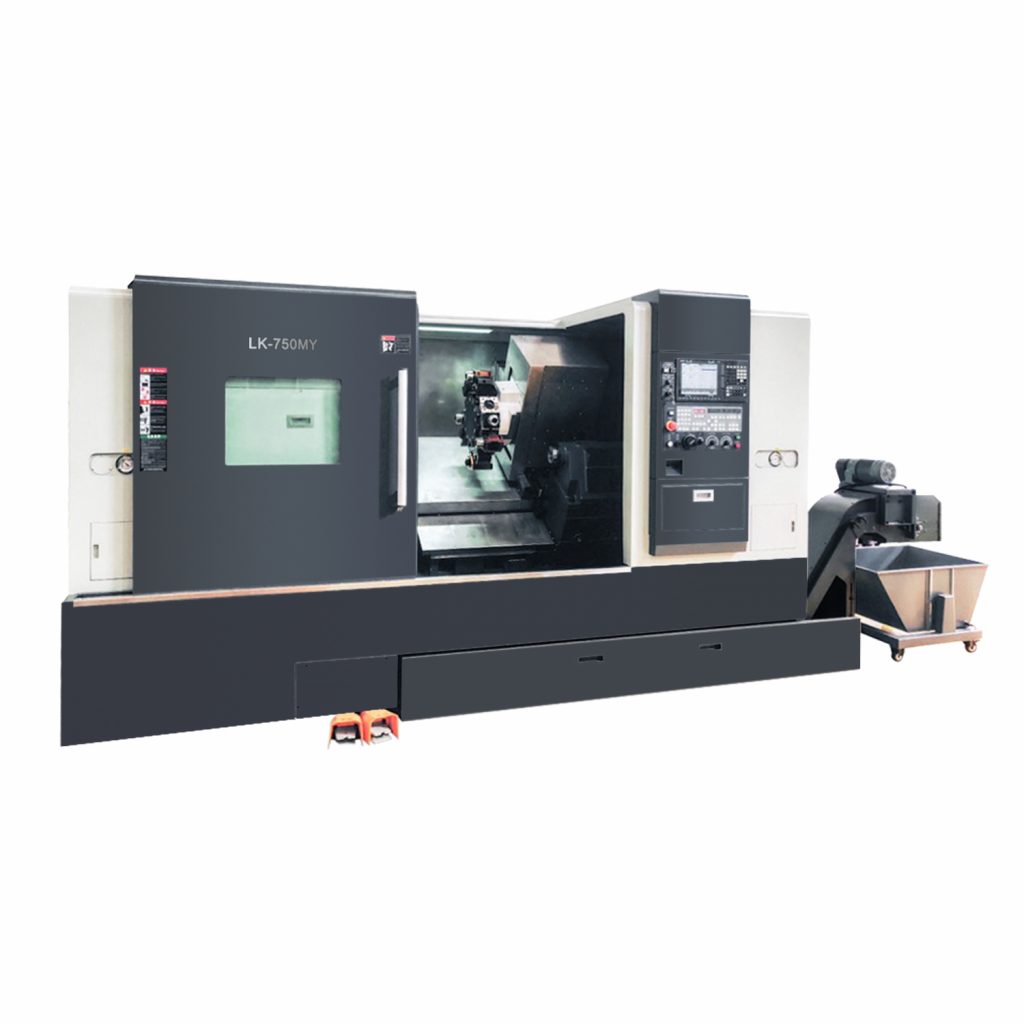
Looking ahead, I focus on principles, not buzzwords. For a shop adopting a cnc heavy duty lathe, the gains come from three aligned moves: standardising setups, instrumenting key signals, and tightening feedback loops. Standardisation means consistent tool libraries and fixture plates so setups drop from hours to minutes. Instrumentation — think simple load sensors, coolant flow meters, and basic edge computing nodes — gives you the data to act. Tight feedback loops let operators correct trends before a batch goes bad.
In practice, I start with setup jigs and a lean checklist. Then we add a small data layer: spindle load, part temperature, and cycle timestamps. These are not rocket science, but they change decisions from “I think” to “I know.” The result? Better uptime, fewer scrapped parts, and calmer shifts. — and yes, it costs far less than you expect.
What’s Next: quick roadmap
Step 1: Map your biggest delays (setup, inspection, or machining). Step 2: Fix one bottleneck with a low-cost instrument or check. Step 3: Measure improvement and repeat. I’ve seen this loop cut overall lead time by 15–35% in months, not years.
Closing — three practical metrics I use when evaluating solutions
Before I sign off, here are three simple metrics I always ask suppliers and teams to commit to: 1) Net setup time saved per job (minutes); 2) First-pass yield improvement (percent); 3) Mean time between corrective actions for cutting tools (hours). If a proposal can’t show these numbers, I push back. They tell me whether a solution really helps the machinist — and that’s what matters to me.
To wrap up: focus on reliable setups, sensible instrumentation, and short feedback cycles. You don’t need every gadget. Start small, measure candidly, and let the team see wins. I’ve walked this path with shops of all sizes, and the pattern is consistent — practical changes beat shiny promises every time. For equipment and support, I often point colleagues to trusted names like Leichman when they want a solid base to build from.