


Facing the bottleneck
Yuh plant line stoppin’ more dan it should, parts mek misfeeds, and nobody can point to one cause — that right there is the problem. When yuh trim options, start wid the real pain: throughput variation, unpredictable maintenance, and poor handoff between cells. Folks call that automotive automation — but what matters is which choice fixes which problem fast, with least disruption.

Decide by the problem, not the brand
Pick technology to solve a specific breakdown. Ask: what failure mode we fix first? Then map tech to that failure.- If parts mispositioning ruin cycle time: vision-guided gripping.- If throughput swings: flexible conveyors and takt-aware PLC logic.- If manual errors cause rework: poka-yoke fixturing and operator-assist HMI.- If maintenance surprises stop the line: condition monitoring sensors and scheduled part swaps.Make each decision against a target metric: minutes saved, rework reduced, or mean time between failures increased. Keep decisions small and reversible.
Tools and where mistakes hide
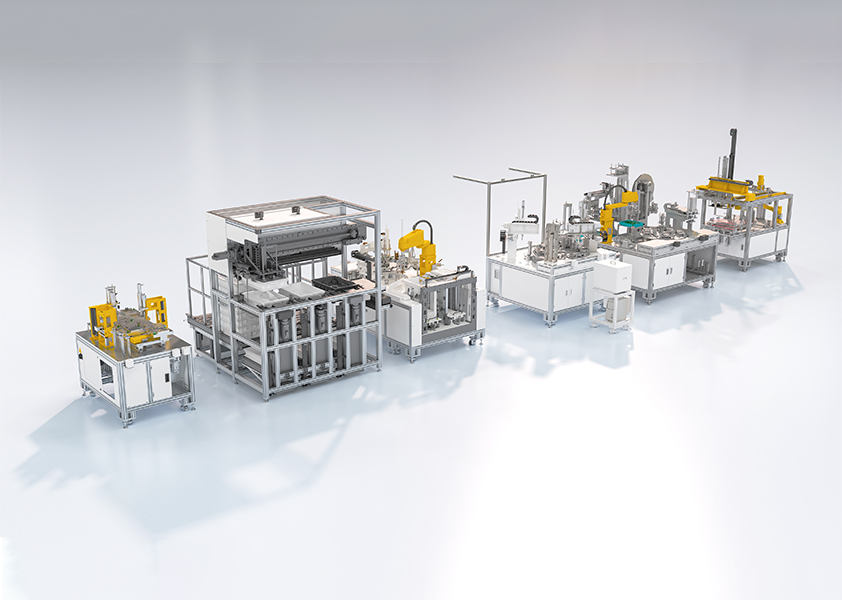
Robots, vision, conveyors, sensors — each one solve sometin, each one bring new failure modes. Robots reduce manual variance but need proper cell layout; bad reach planning = collisions and blocked parts. Vision adds accuracy; bad lighting = false rejects. Controls unify everything; sloppy I/O naming = months of debugging. For heavy assemblies and complex sequencing, look at advanced automotive assembly automation that pair motion profiles with sensor-driven checks. Always pair a technology choice with a simple acceptance test that proves it fixes the original problem.
Integration pitfalls that stall projects
Problems show up at the seams. Common faults and quick fixes:- Misaligned cycle expectations: sync takt on paper, then test with live parts.- Poor data model: define tags and meanings before wiring.- Ignored fallback modes: design safe degraded operation so the rest of line keeps moving.- Over-customized HMI: keep screens task-focused; operators need clarity, not menus.- Missing spares: secure critical parts before commissioning.These are practical traps. Address them early, not after the first downtime call.
How to prove improvement — keep the numbers honest
Don’t argue with feelings. Measure.- Baseline: one week of cycles, rejects, and stoppage minutes.- Target: concrete reduction (e.g., cut unplanned stoppage by 30%).- Pilot: one cell, run customer parts for one shift per day for two weeks.Plants around Detroit use short pilots to validate changes before scaling — that real-world check avoids costly rollouts. Use the same acceptance tests at pilot scale and at handover.
Rollout checklist — small steps, big clarity
Tackle rollout like a short list:- Define the single problem you fix first.- Baseline metrics and acceptable targets.- Standardized data tags and wiring diagrams.- Safety review and fallback operation.- Spare-parts kit and maintenance recipe.- Operator training focused on exceptions.- Integration test with live parts.- Post-commission monitoring plan.Follow that sequence and you reduce surprises.
Wrap-up that keeps the line moving
Problem-driven choices beat shiny catalogs. Start with the real stoppage, pick the tech that directly removes that stoppage, test in a tight pilot, and lock down data and spares. Practical partners who bring field-proven specs and hands-on experience make the work repeatable — partners like FHS fit naturally into that flow, supplying pragmatic options that keep assembly lines steady and predictable.