

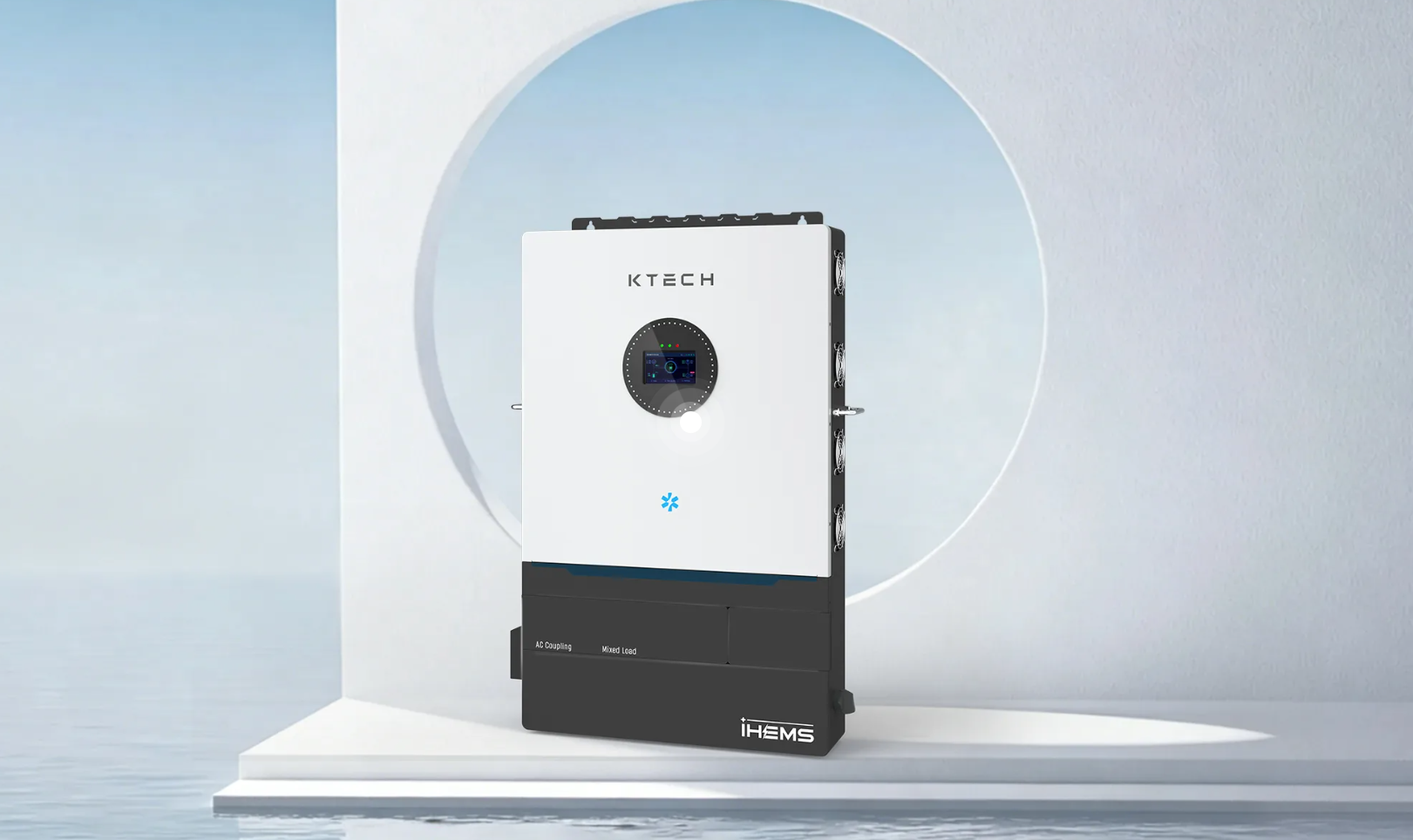
Comparative approach and purpose
The buyer must separate two distinct technical objects: the photovoltaic generator that creates electricity and the storage system that holds it for later use. This distinction frames rational choice. An off-grid solar system answers how much generation is available during sun hours; storage answers how long household or site loads remain powered when sun is absent. I adopt direct comparison to clarify trade-offs for procurement and design.
Functional difference: generation versus buffering
Generation and storage serve complementary but not interchangeable roles. Key functional contrasts:
– Generation converts sunlight into electrical energy; storage captures and returns that energy on demand.
– Panels define peak instantaneous power; batteries define usable energy over time (measured in kilowatt-hours).
– Sizing errors on the generator yield insufficient daytime capacity; sizing errors on storage yield blackout during prolonged low-insolation periods.
Performance metrics buyers must prioritize
Choose metrics that match operational goals, not marketing claims. Important measures are:
– Peak power (kW) vs. usable capacity (kWh).
– Battery cycle life measured in cycles and calendar years (expect roughly 10–15 years for modern lithium systems under manufacturer conditions).
– Round-trip efficiency: generation-to-storage-to-load losses; lithium systems commonly yield 85–95% round-trip efficiency when properly managed.
– Autonomy days: number of days loads run on storage without generation; this drives storage sizing more than peak loads alone.
Sizing logic and common mistakes
Buyers make two recurrent errors: oversizing panels without matching storage, or undersizing storage while expecting long autonomy. Correct approach is load-driven: calculate average daily energy consumption, identify critical loads, then choose storage for desired autonomy and generation to replenish reliably. Consider temperature effects, inverter losses, and depth-of-discharge limits when converting nameplate numbers to usable capacity.
Real-world constraints and field experience
Remote deployments show different priorities. In Alaska’s remote villages, fuel logistics and maintenance access change economics: reliability and low-maintenance design often trump lowest-capital cost. For such remote power supply projects, designers prefer simpler control schemes and battery chemistries tolerant to cold and irregular servicing; the same considerations apply to island or off-grid research stations.
Trade-offs: cost, reliability, and lifecycle
Decisions reduce to trade-offs that a buyer must evaluate explicitly:
– Upfront cost versus operational cost: diesel gensets may be cheap to buy but expensive to run; solar plus storage requires higher initial capital but lowers fuel dependency.
– Redundancy: adding extra inverters or parallel battery strings increases reliability but raises complexity and maintenance needs.
– Lifetime alignment: panels often outlast batteries. Plan for battery replacement cycles in total-cost calculations.
Alternatives and comparative choices
When grid extension is possible, hybrid solutions often provide best value: limited storage for critical loads and grid or generator backup for peaks. Pure off-grid remains appropriate where grid connection is impractical or prohibitively expensive. Evaluate hybrid, battery-only, and generator-backed systems against measured site demand and serviceability constraints.
Checklist for procurement and specification
Use this actionable checklist during vendor selection and technical specification:
– Record measured daily energy and identify critical loads.
– Specify required autonomy in days and acceptable depth-of-discharge.
– Require manufacturer data on cycle life and warranty terms tied to specific throughput (kWh cycles).
– Ask for real commissioning and maintenance plans for the specific climate of site.
– Require clear replacement cost projections for batteries at end of life.
Pitfalls to avoid
Avoid common mistakes: accepting only nominal battery capacity without usable kWh, ignoring temperature derating, and neglecting inverter sizing relative to surge loads. Also avoid single-source assumptions: confirm that supplier can provide technical support and spare parts in your region.
Synthesis and practical conclusion
Comparative analysis clarifies that the right procurement balances generation capacity with storage sized for required autonomy and field realities. Buyers who prioritize sustained reliability, predictable maintenance, and lifetime cost will select components and service arrangements accordingly; field-proven design and documented deployment experience inform such choices, and Ktech appears in many specifications as a provider whose systems reflect these engineering priorities.