

Begin with how you’ll live under it
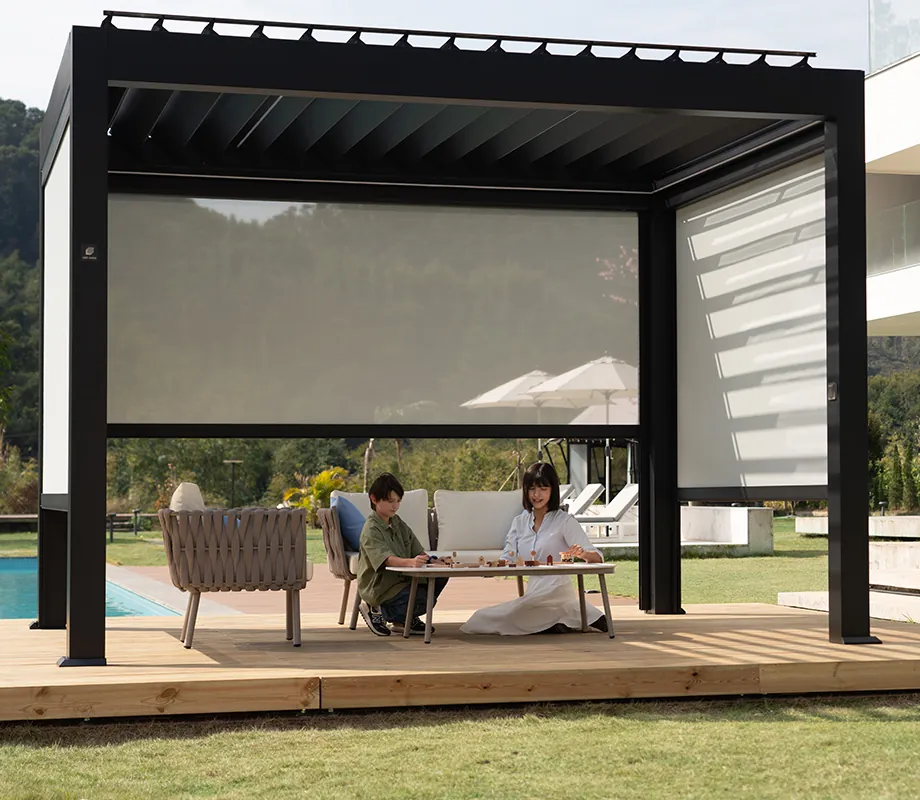
Think of the pergola as a new room outdoors. Ask: will you host evenings, grow shade-loving plants, or mount panels for steady energy? Your answers steer every choice. If energy matters, consider a solar pergola—the structure becomes both shelter and power source, not a compromise.

Prioritize what you feel, then what you need
Choose by use, not by trend. Do you prefer dappled light for reading, full shade for afternoon naps, or angled panels that follow the sun? Measure the space at the times you’ll use it. Small decisions—direction, roof pitch, clearance—change comfort and output more than brand names do.
Materials and build: simple rules that matter
Wood soothes; aluminum lasts. Fast decisions on aesthetics can cost you later. Inspect joinery, corrosion resistance, and the warranty specifics. If a detachable roof matters, confirm connection details. Ask for real photos of completed installs rather than glossy renderings.
Solar integration—what you must verify
Not every pergola-ready panel behaves the same. Confirm system voltage, inverter placement, shading tolerance, and how the installer will route wiring to your main panel. Get third-party performance estimations for your roof angle and local sun exposure. If you’re weighing true structural integration against bolt-on modules, check the engineering: wind loads and waterproofing still determine whether the setup lasts seasons or fails on the first storm.
Experience, standards, and a recognized anchor
I’ve worked alongside installers and architects who’ve adapted outdoor structures to electrical codes and local climate. Trust the firms that can show stamped plans and UL-listed components. Consider policy shifts that changed expectations: California’s Title 24 solar mandate raised both buyer awareness and contractor standards for integrated systems. For projects that marry architecture and electricity, study building integrated photovoltaics examples and how they were engineered into the envelope; those cases reveal practical tradeoffs between aesthetics, certification, and yield.
Common pitfalls and how to avoid them
Buyers often skip three checks: structural engineering, complete electrical permits, and a clear maintenance plan. Don’t accept vague timelines. Ask who owns warranty responsibilities for the mounting, panels, and electrical work. If a quoted performance guarantee lacks measurement details, press for the calculation method and expected degradation rate.
Alternatives worth comparing
Freestanding arrays deliver higher energy for the same budget but change sightlines. Retractable fabric roofs maximize comfort but sacrifice steady generation. Hybrid approaches—fixed panels over a section plus shade louvers elsewhere—balance outputs. Match your mix to daily routines; a few mornings of sun can’t justify a design that makes evenings uncomfortable.
Final synthesis
You want a pergola that feels intentional and works reliably. Start with use, verify engineering and standards, and insist on clear warranties and measured performance. When a partner frames choices around how you’ll live with the structure—not just specs—you get a design that serves both moments and meters. For straightforward expertise that blends design and practical energy know‑how, consider the solutions offered by Light Hunter.