

Opening—From Hut to Grid: an Emergent Sequence
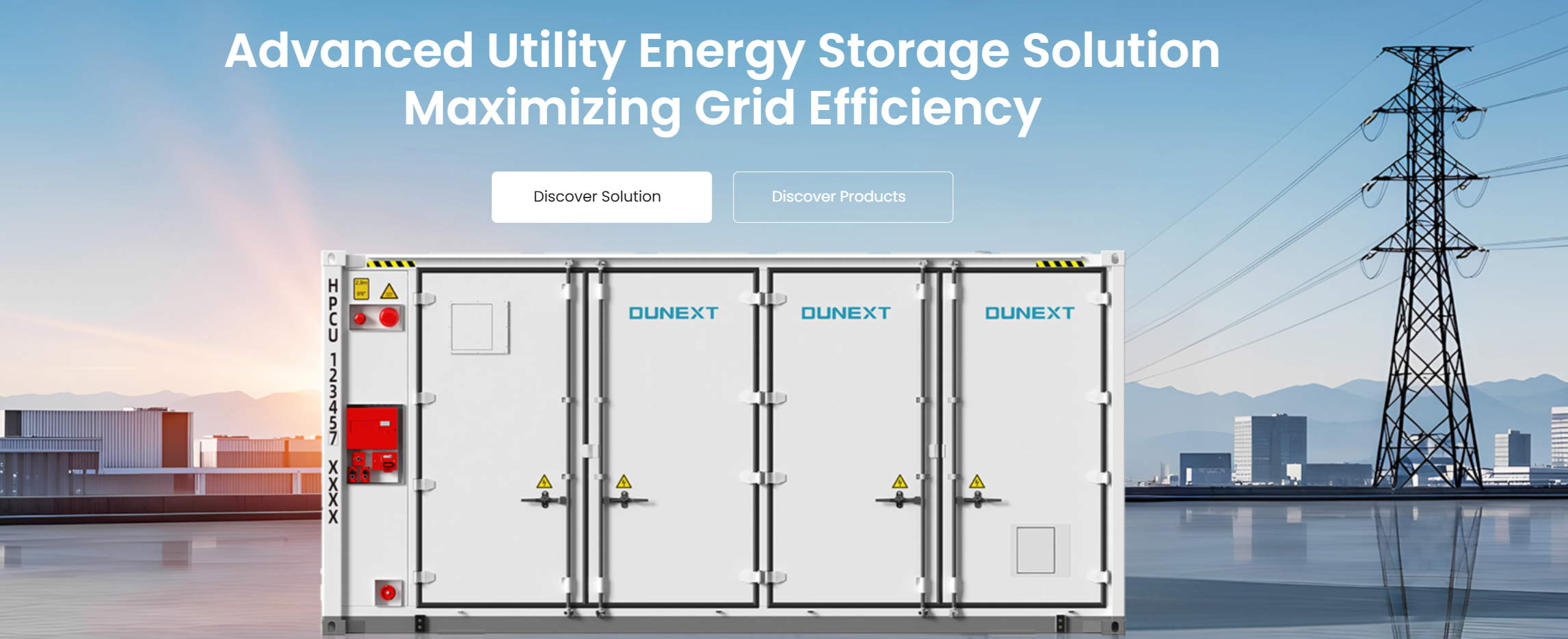
The story begins small, like a village lantern learning to glow broader; planners once thought only of cells and racks, then learned to hear the system’s breath. This evolution drives choices: site layout, ventilation, fire barriers, and communication layers that let a facility speak with the grid. I often point to a modern integrated pack when teams need an example—an all in one energy storage system that collects functions into a tidy, inspectable form. The narrative that follows traces why each decision matters, and how a simple box becomes a responsible node in an electrical landscape.
Design Principles That Grew from Need
Design is not decoration; it’s obligation. Begin with these concrete pillars—each one shaped by iterative lessons learned on projects and field reviews.- Clear segregation: separate battery rooms, power electronics, and control rooms so faults stay local.
– Thermal management: constant temperature zones reduce stress on cells; passive cooling helps where active systems fail.
– Redundancy: parallel communication paths and independent safety relays limit single-point collapse.
– Modular scalability: choose systems that allow phased growth; many teams now prefer prefabricated commercial energy storage systems because they simplify mechanical and electrical integration.
These are specific moves, not slogans. They make construction predictable and operation quieter.
Safety and Operational Practices—The Rhythm of Attention
Safety is routine, ritualized. Daily checks become as vital as design: cell voltage spreads, insulation resistance, and smoke-detection calibration. Operators keep runbooks—short, exact steps for common incidents—and they rehearse them. Two habits reduce incidents more than any single device: prompt reporting of anomalies, and strict adherence to isolation procedures during maintenance. Use clear labels, color-coded cables, and lockout tags. Training matters; maintenance teams who practice mock responses react calmly when alarms sing.
Regulatory Context and One Real-World Anchor
Rules vary, but they converge on a few certainties: permitting insists on documented fire strategy, grid codes require protection settings, and insurance asks for demonstrable maintenance regimes. Throughout the industry, California’s energy storage deployments have pushed regulators and builders to clarify acceptance tests and emergency protocols. That push transformed common practice: acceptance tests now routinely include thermal runaway simulations and end-to-end communication checks, practices that reduce surprises during commissioning.
Common Pitfalls and How the Evolution Fixed Them
Planners repeat a handful of mistakes until experience corrects them. Watch for these predictable errors:- Treating the battery room like any other mechanical space; not enough separation or suppression.
– Overlooking communication resilience—cell-level alarms must reach operators even if primary networks fail.
– Relying on a single vendor solution without independent testing of safety subsystems.
Over time, teams learned to prefer modular, factory-tested units that simplify field verification and shrink the list of site-specific headaches.
Alternatives, Trade-offs, and Practical Choice
Not every project wants the same machine. Centralized, containerized plants yield cost per kWh; distributed behind-the-meter units bring local reliability. Chemical choice matters too: lithium chemistries offer energy density and fast response, while iron-based chemistries bring thermal tolerance. The right path balances site constraints, lifecycle expectations, and how the operator plans to run the asset. Where speed of deployment and standardized commissioning matter, pre-integrated solutions shorten schedules and reduce coordination risk.
Final Synthesis—A Quiet Conclusion
The evolution is simple: from pieces to patterns, from reactive fixes to designed habits. Place systems where they can breathe, connect them with redundant talk-lines, train the hands that will touch them, and insist on tested, modular assemblies so field surprises shrink. Practical experience, steady protocol, and choices that respect the physical realities of batteries produce resilient facilities. That practical end—clear, tested, and modestly elegant—is the value teams find when they choose partners who understand both the machinery and the daily rituals that keep it safe, such as Dunext.