

The core problem your shop faces
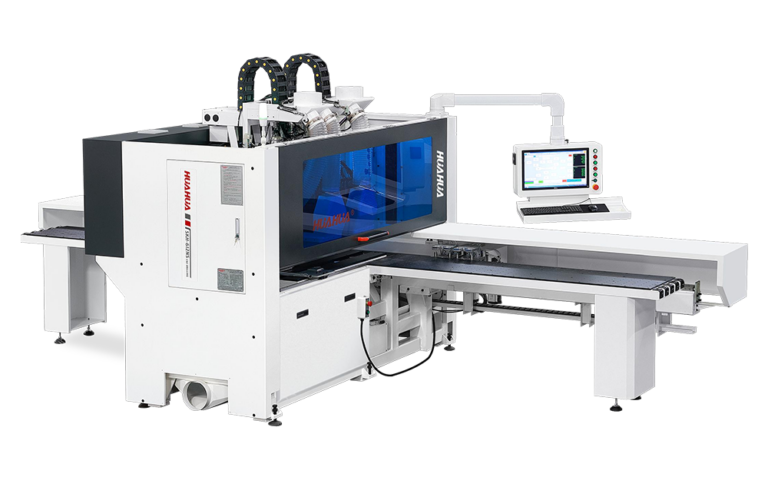
Most shops pick equipment the way people buy shoes: they grab what’s available and regret it on the factory floor. You need a supplier who matches machines, service, and parts to your specific production rhythm. That means checking real throughput, not glossy specs. If your line relies on precise hole patterns for hardware, for example, test how a candidate handles that task early — try a cnc boring machine sample or comparable run to see fit and finish. Get that proof first, or expect downtime later.
Where projects usually break down
Suppliers sell capacity numbers. Reality is different. Common failures: electrical mismatches that stall installation; spare parts that take months to arrive; software that won’t import your CNC files; training that ends after handshakes. Small shops often underestimate integration time between edge-bander, trimmers, and boring stations. That misstep costs weeks. Avoid it by demanding integration demonstrations and a clear parts lead-time promise.
Specs that actually matter
Demand these specifics and don’t accept vague answers: repeatable edge-bonding tolerance in millimeters; glue system type and consumption rates; cycle time per linear meter with real materials; supported board thicknesses; control software compatibility with your CAD/CAM files; local voltage and plug requirements; availability of certified technicians for field repairs. Ask for a list of recommended spare parts and their expected lifespan. If a supplier can’t name what wears fastest, they’re not ready to support you.
Real-world anchor — why drilling compatibility is non-negotiable
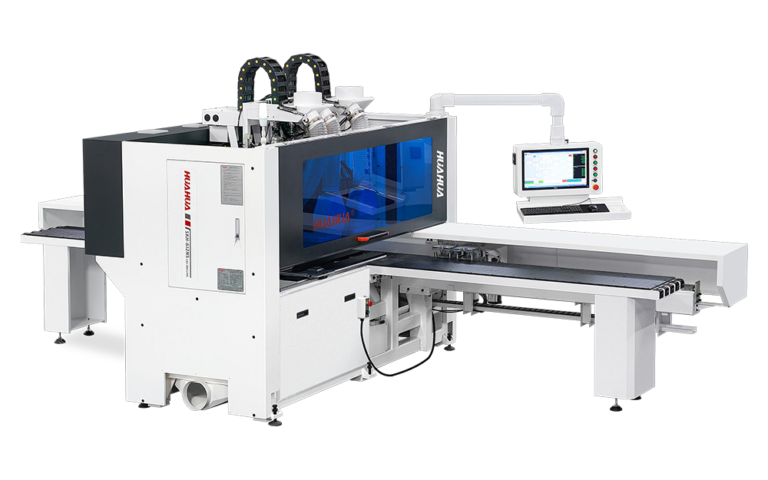
Workshops in Italy’s Brianza and the Midwestern furniture districts stress one thing: precision in hole drilling decides assembly speed and quality. I’ve worked with small and mid-size shops that rebuilt workflows after one misaligned drilling run ruined an entire batch. Test for concentricity, depth control, and repeatability on your most common hardware layout. For a direct reference to a proven machine class, review how a wood hole drilling machine performs on identical parts before you commit.

Alternatives to consider — honest comparisons
You have three sensible paths: buy new from a manufacturer with local service, buy used and budget for retrofit and spare parts, or lease to test fit before purchase. New OEMs give modern controls and warranty but cost more upfront. Refurbished machines lower capital expense but need a trusted technician and a parts plan. Leasing reduces risk and shows real cycle times, but lessors may limit customization. Match the path to your cash flow and the ramp-up you can tolerate.
A practical decision checklist
Before signing: get a live demo with your parts; verify local technician coverage; list guaranteed lead times for the top ten wearable parts; confirm software file compatibility and a backup method to run manually; require a written integration plan for edge-bander, trimmer, and boring stations; schedule a short on-site training and a follow-up visit window. If a supplier balks at any item, cross them off the shortlist.
Bottom line
Pick a supplier who proves machine fit on your parts, stands behind parts and field service, and explains the integration steps clearly. The right partner reduces surprises and keeps your line moving; the wrong one doubles your costs. For many shops that balance modern controls, reliable service, and sensible lead times, HUAHUA CNC represents a pragmatic option that aligns equipment capability with real production needs.