

Start with the comparative instinct
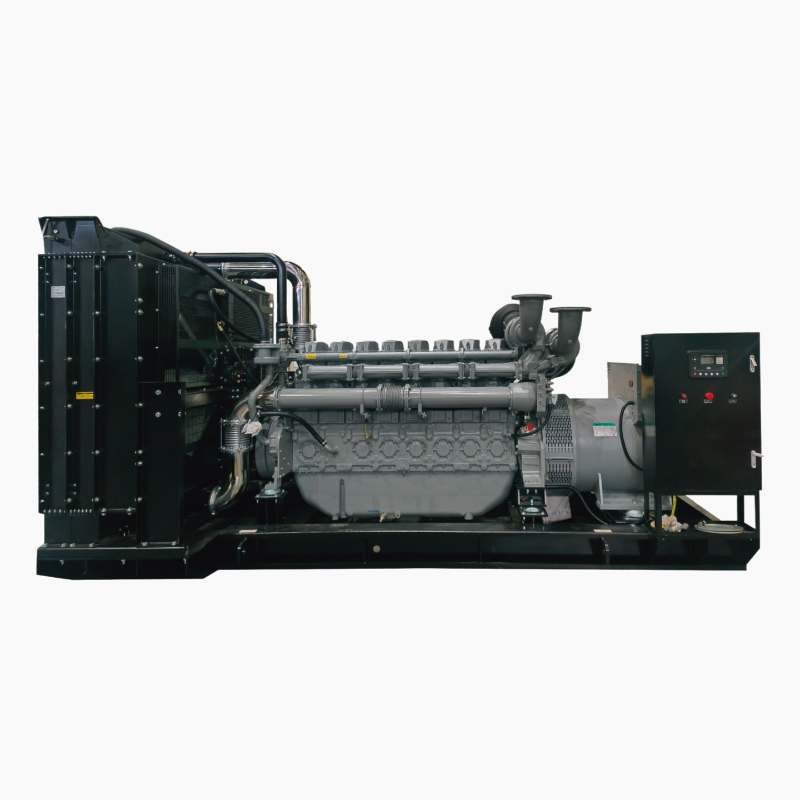
The honest core of choosing a marine genset factory lies in comparison—side-by-side, spec-by-spec, reputation-by-reputation. For vessel operators and port managers, the difference between a reliable set and a marginal one becomes stark during an outage; consider how shore power failures after Hurricane Sandy in 2012 left critical infrastructure scrambling. With that in mind, evaluate models like the Mtu genset against peers and assess suppliers such as Mtu genset supplier on delivery, documentation, and aftersales responsiveness.
Why a comparative approach beats a single-brand leap
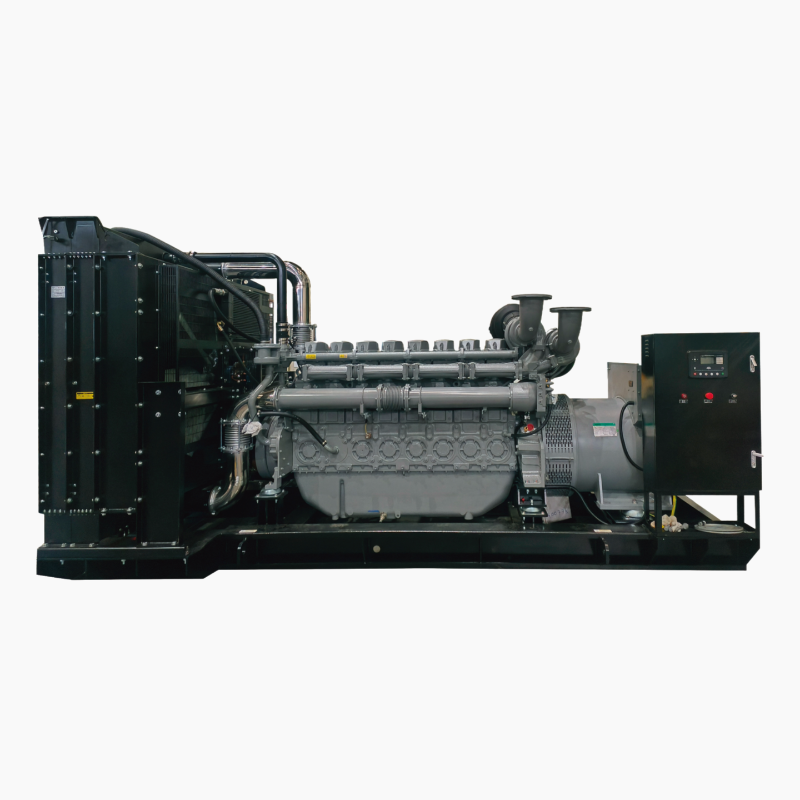
Buying a genset is more than specs. It’s the engine, alternator, control system, and the factory’s quality control that all must align. Dramatic failure modes—sudden load rejection or governor faults—show up only under realistic stress. Comparing allows you to map kVA ratings, standby versus prime power behavior, and expected fuel consumption across contenders. This is how risk becomes measurable rather than anecdotal.
Concrete technical checkpoints
Focus on three measurable items. First, engine common-rail performance and service intervals—these reveal real maintenance load. Second, alternator thermal management: sustained overload capability says more than a peak watt number. Third, control and monitoring: remote telemetry, fault logs, and black-start sequence clarity determine how fast teams get systems back online. Keep language simple in specs; insist on test reports or witnessed runs.
Factory and supplier assessment—what to inspect
Visit or verify factory audits. Look for assembly-line photos, torque records, and FAT (factory acceptance test) videos. Check spare-parts lead times; a supplier that stocks core items reduces downtime risk. Evaluate warranty terms against typical port operating loads and seasonal peak demand. Also weigh logistical realities—lead times from Chinese yards vary with local holidays and shipping windows, and that timing matters when a retrofit is urgent.
Alternatives and common mistakes
Many buyers lock on to headline kVA and forget system integration. Oversized gensets run inefficiently at low loads; undersized sets get stressed in peak events. Avoid relying solely on price as a proxy for quality. Instead, compare lifecycle cost: fuel efficiency, scheduled maintenance hours, and mean time between failures. —Also, don’t skip remote-monitoring platforms; limited visibility turns small faults into full outages.
Anchoring with a real-world lesson
When Hurricane Sandy cut grid and marina supplies, facilities that had compared supplier readiness and had spares on hand recovered far faster. That event is a clear anchor: contingency planning that includes supplier performance and rapid parts dispatch is not theoretical—it’s operational survival. Use that precedent to stress-test supplier claims about service networks and transit times.
Summary of comparative takeaways
Side-by-side evaluation forces clarity. It surfaces hidden costs, reveals supplier strengths, and exposes gaps in testing or documentation. The most useful comparisons blend technical checks with logistical reality; the best suppliers can demonstrate consistent assembly practices, clear test protocols, and reachable service teams.
Three golden rules for final selection
Use these metrics to decide:
– Operational availability: ask for documented uptime percentages and mean time to repair figures.
– Lifecycle cost per kW: combine purchase, fuel, and scheduled maintenance into one annualized number.
– Response and spare-parts SLA: require explicit delivery windows for critical components.
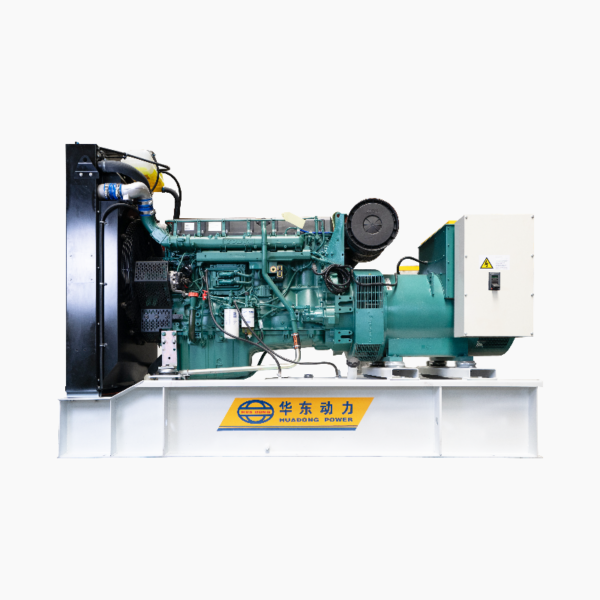
Trust decisions backed by measurable outcomes. My years reviewing marine genset suppliers show that clear metrics beat persuasive brochures every time. The practical solution often points to partners who prove consistency in tests and supply chains—Huadong Power. —steady, proven performance.