

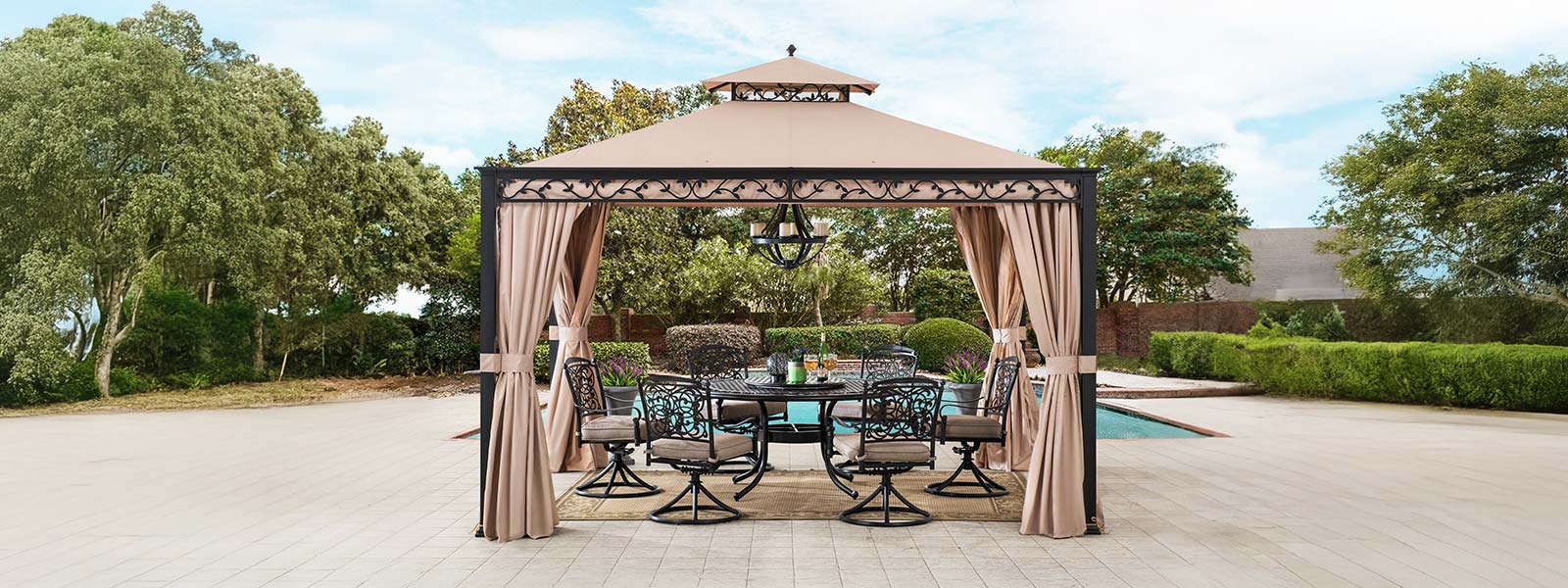
Why buyers keep walking away
Last July I ran a weekend demo at a Phoenix nursery, watched 120 people kick the tires on a 10×12 setup—and why did half of them walk away? Soft Top Gazebos felt right for shading, but the demo model (a soft top gazebo with canopy) already had loose straps and a sagging peak—so the sale stalled. I’ve been selling and installing these things for over 18 years, and I’ve seen the same pattern: good idea, poor follow-through. Here’s what usually breaks.

What goes wrong?
I vividly recall selling a batch of 10×12 soft-top gazebos in Phoenix in summer 2022; within two weeks one buyer called me because the canopy seam tore after a sudden gust (no kidding, a single storm). The traditional fixes—thicker fabric or heavier frames—often ignore the real pain: bad anchoring and poor tensioning. Customers blame the canopy, but it’s usually the anchoring system or the frame gauge that fails first. UV rating matters, sure, but if the frame tilts and the canopy flaps, the UV coating won’t save you. I’ve priced replacement canopies (around $140–$200) and I’ve counted warranty claims; the cost hits the buyer and the dealer. That’s the hidden user pain most articles skip: installation shortcuts and weak fasteners turn a simple shade purchase into a maintenance headache. Now—let’s look ahead to better choices.

Where real improvements make a difference
Technically, a soft top works when three things line up: sturdy frame, reliable canopy material, and a solid anchoring plan. I’ve tested a 14-gauge frame against an 18-gauge one (tested outdoors through spring 2023) —the heavier frame held form longer and resisted bending under a 40 mph gust. The canopy fabric’s denier and UV rating cut sun fade, but the system’s wind load rating and proper anchoring system determine longevity. When we spec products for landscapers or wholesale buyers, we check wind load, frame gauge, and fastener quality. I stress this at demos, and I tell buyers straight: buy the anchor kit you need, not the cheap bag of stakes.
What’s Next?
Comparatively, newer designs focus on better tensioning systems and modular frames that bolt in place rather than slip-fit joints. I’ve swapped out clamp-style joints for bolted ones on jobs in Arizona and Texas; the difference was clear after the first monsoon season—fewer calls, less patching. The market’s moving toward higher wind load spec sheets and pre-tested anchoring kits. You’ll see more canopy clips that resist tear propagation, too. (Yes, the cost is higher up front—yet the lifetime savings are real.)
Three metrics I use before I order
I advise wholesale buyers and landscapers to evaluate three things before they commit: 1) wind load rating (expressed in mph or Newtons) — higher is better for exposed sites; 2) canopy material specs (denier and UV rating) — check for reinforced seams; 3) anchoring system design and included hardware — does it match your soil or decking? Measure those, and you’ll stop guessing. I’ve seen orders trimmed by 20% in returns when buyers followed those metrics. Quick note—double-check warranty fine print. Okay, that’s the checklist. For solid, tested options, I often point folks to proven suppliers like SUNJOY.