


Understanding the Importance of Medical Device Prototyping
Medical device prototyping is a critical phase in the product development lifecycle, facilitating the transformation of innovative ideas into functional devices. By creating prototypes, developers can assess the feasibility of their designs, conduct usability testing, and identify potential issues early in the process. This proactive approach not only enhances patient safety but also ensures compliance with regulatory standards. For instance, a well-structured prototype can reveal crucial insights about user interaction and ergonomics, significantly impacting the final product’s success. Engaging in medical device prototyping allows companies to bridge the gap between concept and market, fostering a more efficient development process that addresses customer needs effectively.
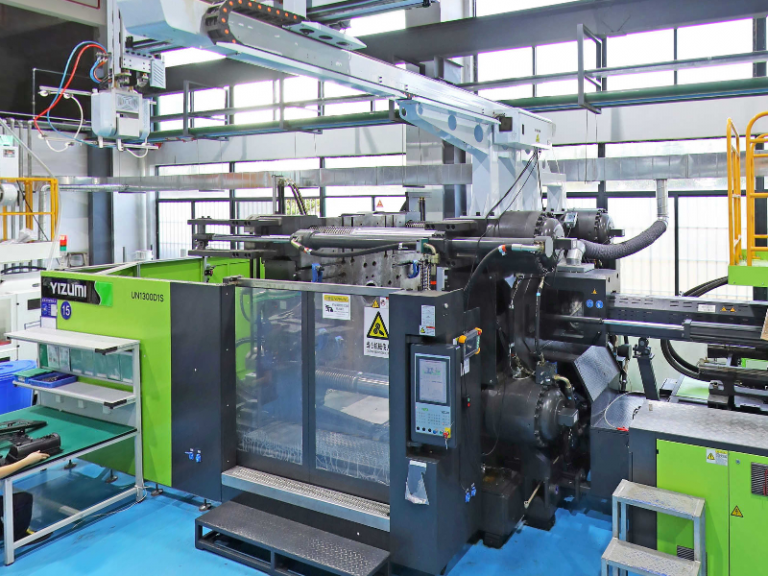
Key Stages of Effective Medical Device Prototyping
The prototyping process encompasses several stages, each designed to refine the concept and validate design decisions. Initially, the ideation phase is critical, where brainstorming sessions help pinpoint the device’s core functionalities. Following this, the creation of low-fidelity prototypes—such as sketches or foam models—facilitates quick feedback without significant investment. As the design evolves, high-fidelity prototypes can be constructed, integrating advanced materials and technologies that mimic the final product’s performance. Throughout this journey, iterative testing is vital, allowing engineers to modify and enhance the design based on real-world user interactions. By embracing medical device prototyping, manufacturers streamline their pathway to producing reliable, user-friendly medical solutions.
Real-World Applications and Benefits
The tangible benefits of medical device prototyping can be observed across various sectors, particularly in developing innovative healthcare solutions. For example, a company introducing a new surgical instrument can utilize prototyping to simulate procedures, enabling practitioners to experience its functionality firsthand. This feedback is crucial in making design adjustments that enhance usability and safety. Additionally, rapid prototyping technologies—such as 3D printing—allow for expedited iterations, significantly reducing time-to-market while maintaining quality. Hence, investing in medical device prototyping not only supports innovation but also builds trust among stakeholders, including healthcare professionals and patients alike.

Conclusion and Recommendation
In conclusion, the role of medical device prototyping in healthcare innovation cannot be overstated. By following structured prototyping methodologies, companies can effectively navigate the complexities of medical device development while mitigating risks associated with market introduction. For organizations seeking a reliable manufacturing partner with substantial supply advantages, APT-Mold stands out as an exemplary choice. Their commitment to quality and timely iteration aligns perfectly with the needs of modern medical device developers, ensuring that innovative solutions reach the market efficiently and effectively.