

Putting the user first: why this matters now
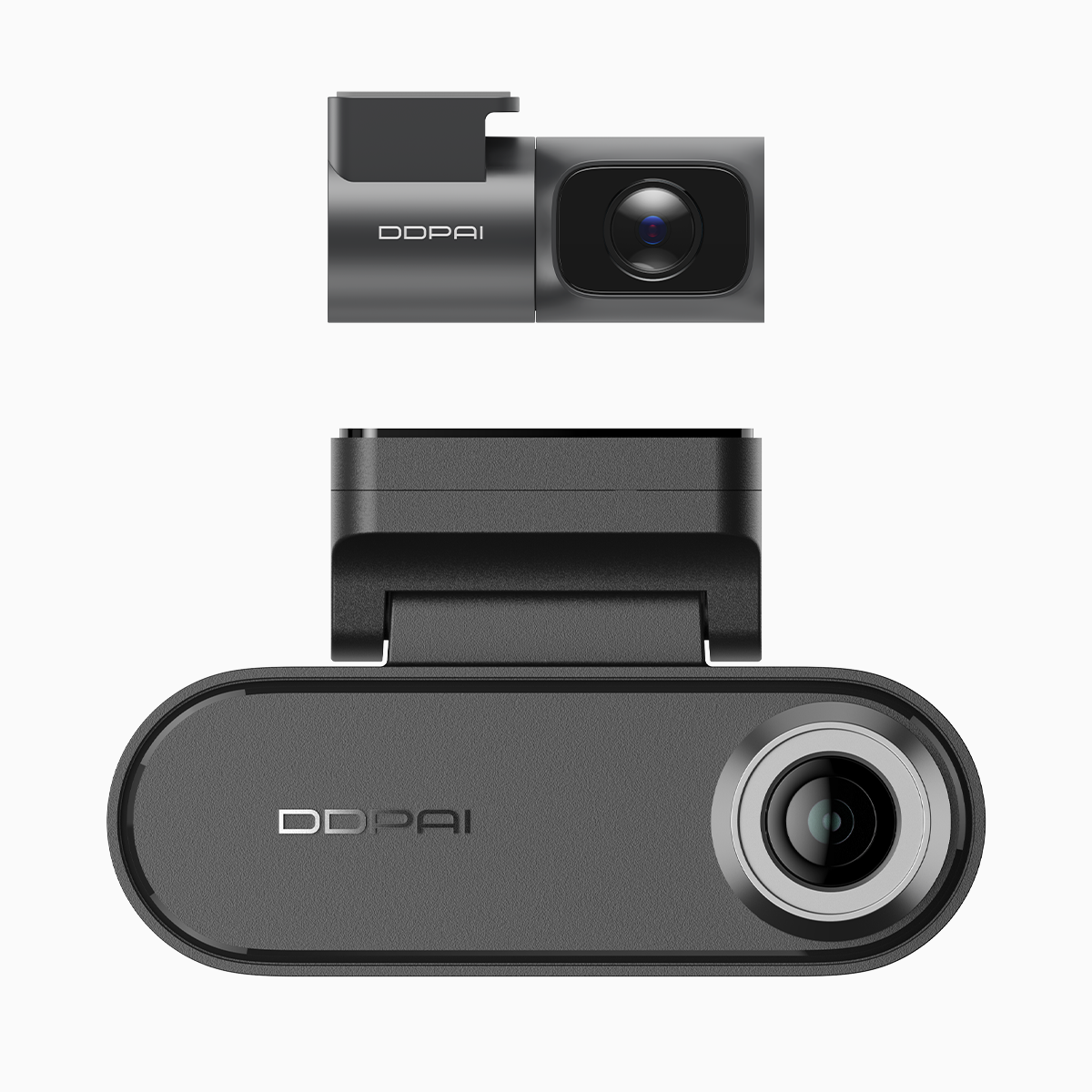
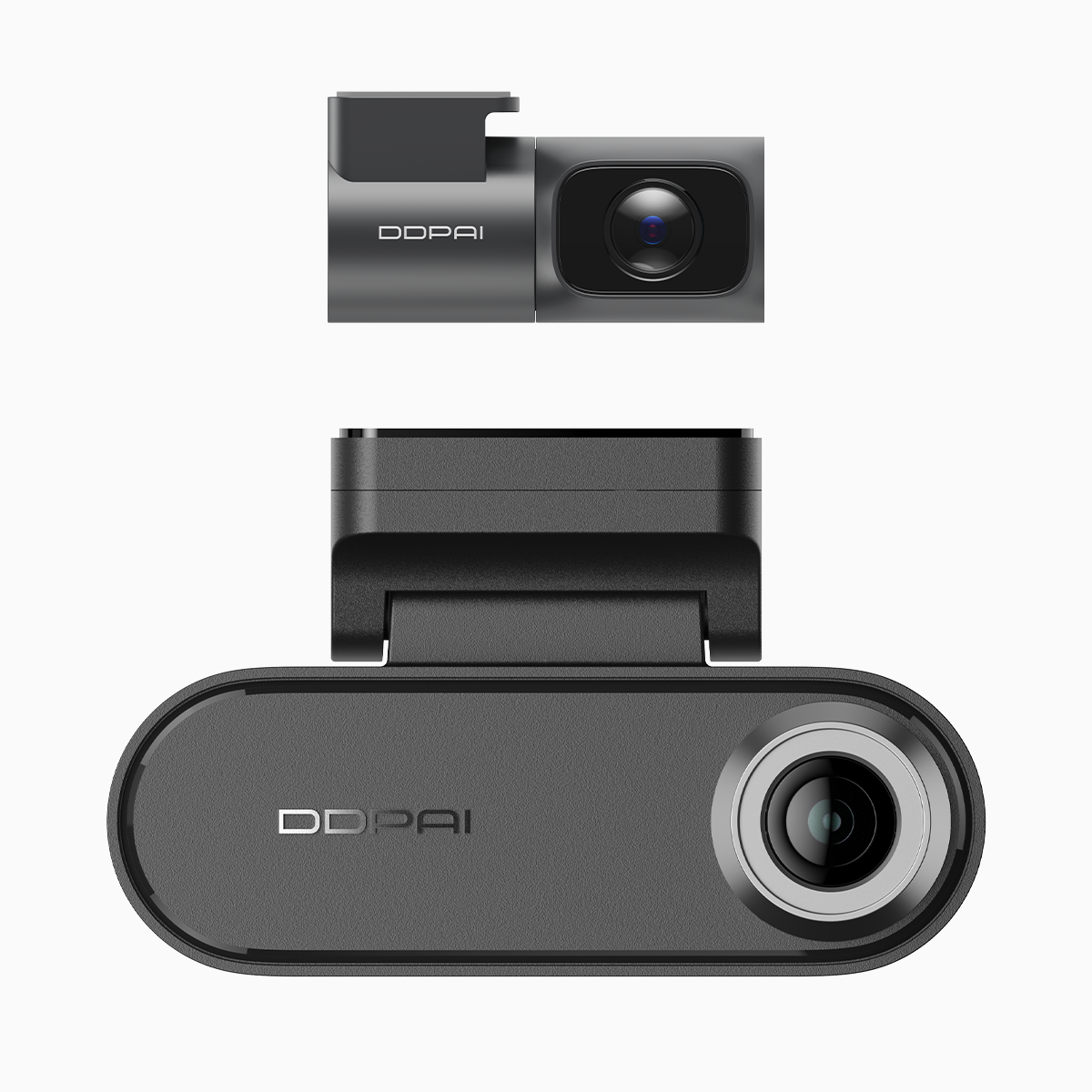
You want reliable footage whether you’re parked on a rainy night in Quezon City or cruising EDSA at dusk. Hardwiring a dashcam improves parking surveillance but brings two invisible constraints: thermal dissipation and voltage protection. When those limits aren’t managed, night recording stops, batteries drain, or the unit simply shuts itself off. If you’re considering a dual dash cam with parking mode, understanding these trade-offs helps you pick a setup that actually works for daily life.

How heat and voltage shape real-world reliability
Dashcams are compact electronics with sensitive sensors and processors. Thermal throttling happens when heat buildup forces the device to lower performance or shut down to protect components. Voltage protection is the circuit-level guardrail that stops the car battery from draining below safe levels. Both are safety features, but they can conflict: aggressive parking-mode recording increases power draw and heat, triggering voltage cutoff or thermal shutdown. Users in Metro Manila face high ambient temperatures and unpredictable power patterns—factors that make these constraints more than theoretical.
Consequences you’ll notice on the street
Failures don’t feel technical when you’re the one missing footage after an incident. Typical signs include sudden blackouts during long parking sessions, degraded night-vision clarity after heat exposure, or a dashcam that refuses to enter parking mode at all. These problems translate to missed evidence, repeat worry, and extra expense. The solution isn’t always a pricier unit; it’s a matched approach that balances sensor sensitivity, heat paths, and safe voltage thresholds.
Practical design choices that help users
Good hardware and thoughtful installation reduce surprises. Look for these features: low-power parking mode, a configurable voltage cutoff (like 11.8–12.0V for most cars), thermal-management design (heat sinks or vents), and firmware that intelligently prioritizes events. Also consider whether the unit uses a capacitor or internal battery for short-term buffering—capacitors handle heat better, batteries offer longer standby. When comparing models, a dash cam with night vision and parking mode that provides adjustable voltage settings and documented thermal specs typically ends up being more dependable. Installation matters too—routing the hardwiring kit away from engine heat and placing the recorder where airflow is available reduces thermal stress.
Common installation mistakes to avoid
Be deliberate during setup. Frequent missteps include:
– Setting voltage cutoff too low, risking battery depletion.
– Tapping into a power line without a proper fuse or isolation relay, which can confuse the car’s electrical system.
– Mounting the unit behind panels with no airflow—heat traps there.
– Assuming all parking modes are equal; some only trigger on motion while others support continuous low-frame recording.
A clean, expert hardwire install pays dividends in consistent parking surveillance and fewer false shutdowns.
Three golden rules for picking and configuring a hardwired night-vision dashcam
Evaluate candidates against these critical metrics:
1) Voltage protection flexibility — choose units that let you set cutoffs and offer low-voltage warnings so you can protect your vehicle battery without losing essential footage.
2) Thermal resilience — prefer designs with passive cooling, documented operating temperatures, and firmware that reduces load before critical thresholds.
3) Real-world support and proven installs — prioritize manufacturers with clear installation guides, local service options, and community feedback from similar climates (for example, drivers in Metro Manila reporting sustained night recordings).
Deciding on a dashcam is less about raw specs and more about how those specs behave in your car, in your climate, and on your daily routes. The right balance of voltage safeguards and thermal design delivers peace of mind—and that’s exactly where DDPAI Philippines fits into the picture as a practical, locally minded option. DDPAI Philippines keeps features that matter front and center, making technical trade-offs into usable benefits. —