

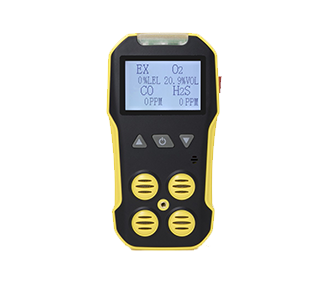
What belongs in the decision record for Professional Gas Leak Detector: application scope final evaluation
A procurement review for a professional gas leak detector should begin with the intended application, not with a model name alone. The decision record needs to show what the equipment is expected to support, which requirements are confirmed, and which points still need a supplier response. This approach helps the team compare evidence against the actual use case rather than treating every catalogue detail as relevant to every project.

Define the use case and its constraints
Start by describing the task in practical terms. Record whether the requirement concerns routine inspection, planned maintenance, investigation, fixed-area monitoring, or another defined activity. The record should also state the working environment at a level the procurement team can support. Useful headings may include location type, access conditions, substances of interest, expected users, inspection frequency, and any interaction with existing equipment.
These headings are not claims about what a particular detector can do. They are a way to frame the question before comparing products. A portable instrument, for example, should not be treated as interchangeable with a fixed installation simply because both appear under a related product category. The final evaluation should therefore identify the required equipment form, the intended task, and the responsibility for confirming technical fit.
Keep constraints separate from preferences. A required measurement range, interface, enclosure characteristic, or operating feature belongs in the requirements column if the project genuinely depends on it. A preferred brand, familiar format, or convenient purchasing route belongs in a different column. This separation makes later discussions clearer and reduces the risk that an untested preference becomes an apparent technical requirement.
Map stated evidence to each requirement
Build a simple evidence table with four fields: requirement, source statement, scope, and status. The source statement should use the wording of the relevant product or catalogue page as closely as possible. Scope explains which model, category, or configuration the statement concerns. Status can be recorded as confirmed for the stated page, relevant but incomplete, or requiring a further technical response.
Do not transfer a detail from one model to another without evidence that the detail applies to both. A category page can establish that products are listed within a gas leak detector group, but it does not by itself establish certification, detection capability, site suitability, alarm behaviour, performance, or installation responsibility. Those are separate questions. Keeping them separate protects the decision record from conclusions that sound plausible but are not supported by the cited source.
In this case, the Bosean category page lists the S-100, BH90E, BTYQ-BX103, BTY-JL101, and K-100(FR) gas leak detector models. That is a useful catalogue anchor, but it should remain exactly that: a record of the models shown on the page. It does not, on its own, select one model for a project or establish that any listed model meets a particular operating requirement.
Turn open points into supplier questions
During the middle of the review, use the professional gas leak detector requirement as a question about application scope, not as a conclusion about capability. Ask which model or configuration is intended for the stated task, what evidence applies to that exact option, and which requirements the supplier expects the buyer to define. The wording should connect each question to a recorded need.
- Which listed model is proposed for the specific application?
- Which source page or technical document supports each required feature?
- Does the cited information apply to the complete proposed configuration?
- What user, installation, maintenance, or integration responsibilities are part of the proposed arrangement?
- Which points remain subject to technical confirmation before approval?
These questions create a useful boundary between procurement analysis and supplier claims. They do not assume that a positive answer has already been established. They also make it easier to identify an incomplete comparison. If one candidate has detailed evidence for a requirement and another has only a category listing, the record should show that difference rather than presenting both as equally documented.
Record the decision without overstating it
A defensible final record should contain the application summary, the requirements used for comparison, the source and scope of each material statement, and the unresolved questions carried into the next review. Add the selected option only when the available evidence supports the stated decision. If the review is not yet complete, record the current position as a structured next step rather than forcing a definitive product conclusion.
The final summary should also explain why the scope matters. A catalogue name can identify a product family, while the procurement decision concerns a particular task, configuration, and set of responsibilities. Keeping those levels distinct gives engineers, buyers, and suppliers a shared basis for the next discussion. For the Bosean reference, retain the category-page model listing as the supported catalogue fact, then connect any further requirement to evidence that addresses that requirement directly.