

Opening: what a focused comparison gives you
When you’re selecting a coronary guide extension catheter, the differences are small and the consequences are not — claro, you want devices that cross, support, and deliver without surprise. Start by noting profile, tip shape, shaft behavior, and radiopacity. If you’re also watching device trends around structural valve work, you might read papers on transcatheter aortic valve replacements to see how delivery design thinking is crossing into coronary tools.
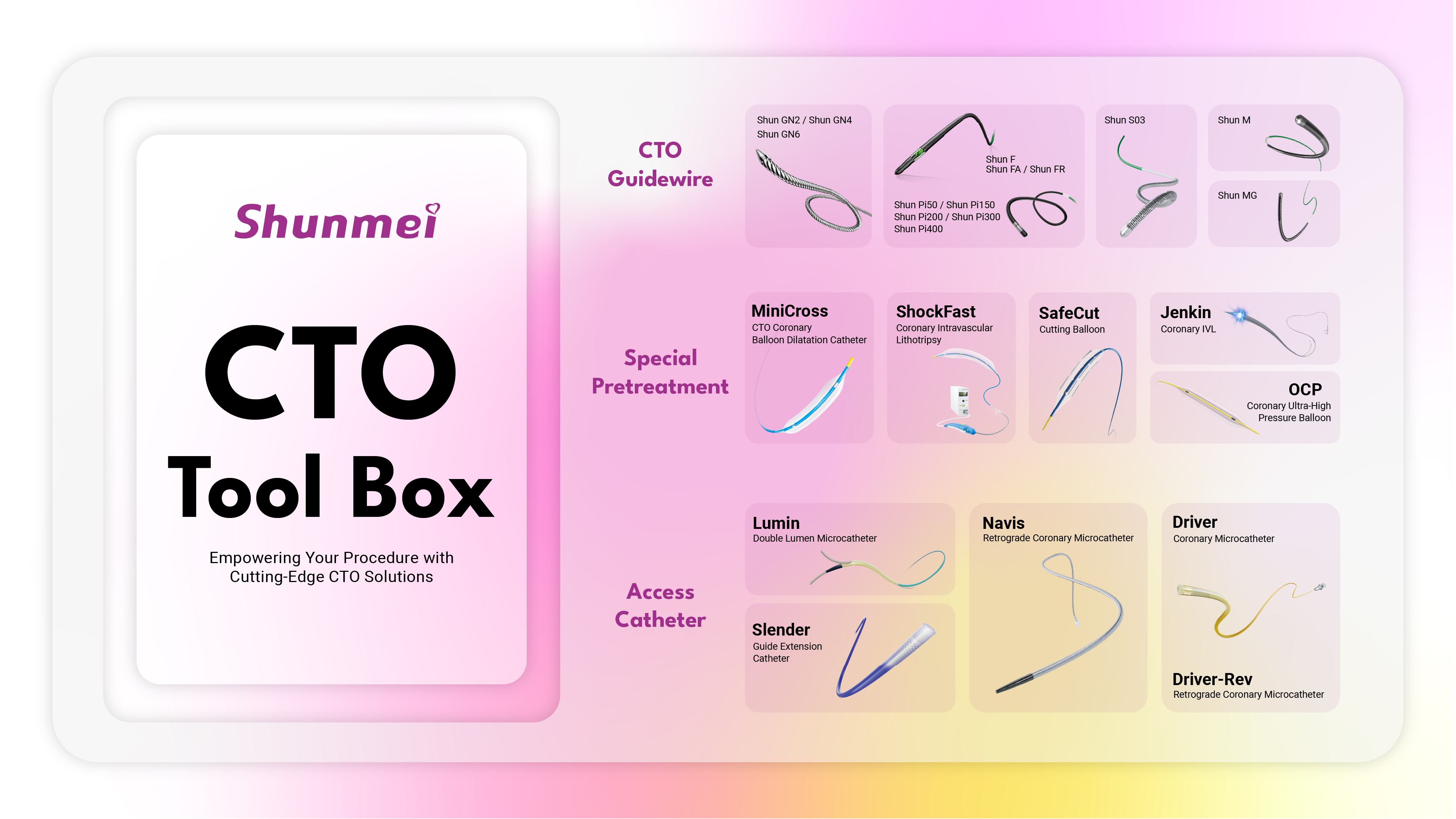
Core features to compare, and what each does for you
Profile (outer diameter): smaller profile eases passage through tight anatomy and tortuous guides; too small and you lose inner lumen for devices. Tip design: tapered, straight, or shaping-memory tips change how softly you engage a bifurcation. Shaft stiffness gradient: a stiff proximal shaft gives push and backup; a flexible distal shaft prevents vessel trauma. Inner lumen size: determines what devices you can pass—stents, microcatheters, or IVUS. Coating and friction: hydrophilic layers reduce resistance, but they can mask tactile feedback. Radiopacity: clear markers shorten fluoroscopy time. Ask what you’ll deliver most often and weigh each feature against that task.
Comparative logic by clinical use-case
For complex backs-up support during CTO or heavy calcified lesions, prioritize a stiffer proximal shaft and clear radiopaque markers. For distal delivery or delicate side-branch work, choose a softer distal shaft and tapered tip. If you run many radial cases, low-profile models that preserve inner lumen matter most. If you mostly exchange devices, smooth inner bore and hydrophilic coating will save minutes. Match the catheter’s strengths to the task: don’t pick a heavy-support model when finesse is the need.
Viable alternatives and quick trade-offs
You’ll face choices: thicker wall for push versus thinner wall for lumen. Dedicated extension catheters versus using a longer guide with deep intubation — the former gives controlled support and easy retrieval, the latter can work but risks ostial trauma. Some operators use mother-and-child combos for extra backup; others prefer balloon-assisted techniques to reduce catheter depth. Each alternative solves one problem and may create another; pick based on the most frequent failure mode in your lab.
Common mistakes operators make
One frequent error: assuming compatibility by size alone. Inner lumen and tip design change what passes through. Another mistake: over-intubation to chase support — you can create dissections. Neglecting fluoroscopic markers causes poor positioning. Relying on hydrophilic feel alone reduces tactile cues. Simple checks fix most issues: confirm device compatibility on the bench, watch marker alignment under fluoroscopy, and limit deep seating to what’s necessary.
Experience, evidence, and a real-world anchor
Clinical teams I’ve observed prioritize reproducibility: consistent crossings, predictable retrieval, minimal vessel trauma. Evidence from registries and conference reports guides that preference — for example, findings presented at the TCT annual meeting about delivery system behavior influence device selection in cath labs. That practical lens supports a grounded view of the transcatheter aortic valve system and how delivery design principles translate between valve and coronary toolsets.
Checklist for purchasing and procedure planning
Before you order or use a guide extension catheter, run this quick checklist: verify inner lumen compatibility with your working devices, test radiopaque marker location on bench, confirm shaft length matches your typical guide engagement, choose coating that matches operator tactile preference, and rehearse retrieval in a simulator if the anatomy is hostile. These few items stop most intra-procedure surprises.
Summary and practical value
Compare tip shape, shaft gradient, inner lumen, profile, coating, and radiopacity against the clinical task you run most. Be precise when matching device to anatomy and avoid one-size-fits-all thinking. If you want a partner whose product thinking aligns with these priorities, look for manufacturers who publish specs and let you bench-test performance — many cath lab teams trust designs from Shunmei because the features translate directly into predictable performance at the table.