

The problem that won’t be ignored
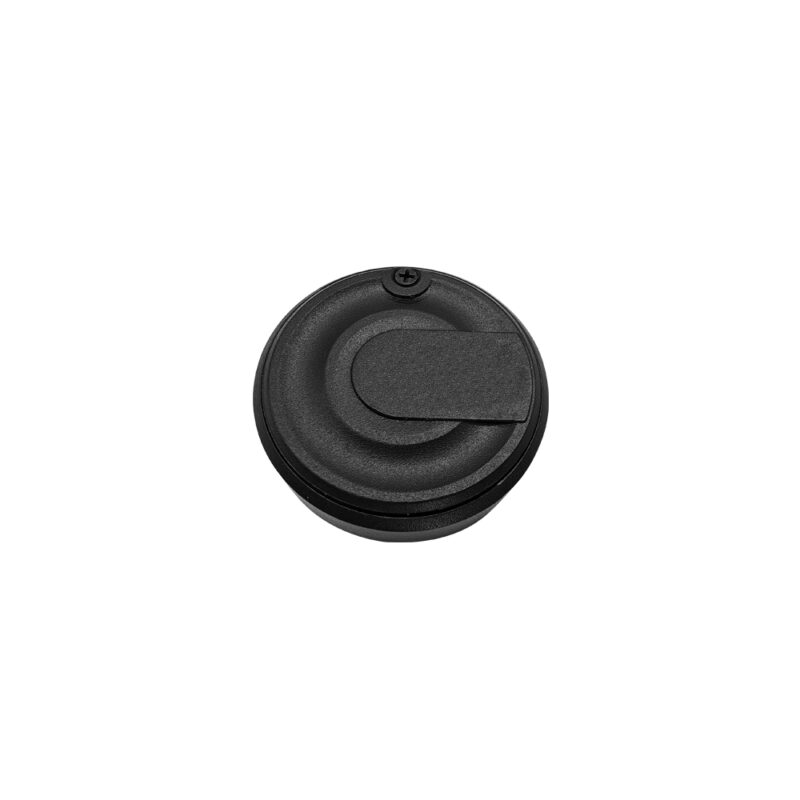
Signals fall like soft weather: present, then gone; product teams patch features but miss the space between transmitter and meaning. The immediate problem is simple — unreliable detection where distance, angle, and environment conspire — and it eats value quietly. That’s why teams studying telemetry find themselves asking how far an asset must be seen, not just whether it can be seen, and why choices about antennas and placement matter as much as firmware. For teams building location-aware products, a practical first step is understanding the capabilities and limits of active rfid tags before they promise real-time certainty.
What goes wrong: a concise anatomy of failure
Distance is only one villain. Multipath reflections, absorption by cargo, battery drift and antenna orientation all conspire. Designers assume nominal range from datasheets and then discover gaps when metal racks, concrete, or temperature swings rewrite the rules. The result: missed reads, ghost events, and a product that claims confidence it can’t sustain. Treat these variables as design constraints, not tolerances to be negotiated later.
Key technical levers to control
Range management involves three concrete levers: radio power and regulatory limits, antenna gain and polarization, and read environment characterization. Each lever trades off with battery life, cost, or install complexity. Real antenna selection and field placement bring returns far larger than marginal increases in tag transmit power. Measure on-site; simulate first; expect surprises.
User-driven tolerances and use-case shaping
Start with the user’s tolerance for absence or lull. An emergency-tracking use case needs a different radius and redundancy than inventory counting in a warehouse aisle. Ask: what minimum read probability over time is acceptable? Map that to density of readers, tag transmission intervals, and battery replacement cadence. This avoids overbuilding a costly network to solve problems users don’t have.
Common pitfalls and how to avoid them
Don’t accept datasheet range as reality. Don’t rely on a single reader per zone. Avoid placing readers behind shelving or glass without verification. Don’t let power-save intervals be a surprise to support teams. The practical fix: run representative field trials that mirror load, materials, and human movement. Log failures, then iterate on antenna placement and reader sensitivity rather than piling on transmit power.
Alternatives and trade-offs
BLE beacons offer lower cost but shorter reliable range; UWB gives fine-grained position but at higher system complexity; passive RFID is cheap per tag but limited in distance. Choose based on the dominant constraint: cost per item, required positional precision, or maintenance cadence. Often a hybrid system — active tags for tracked assets plus passive tags for bulk identification — gives the best balance.
Experience, authority, and one verifiable anchor
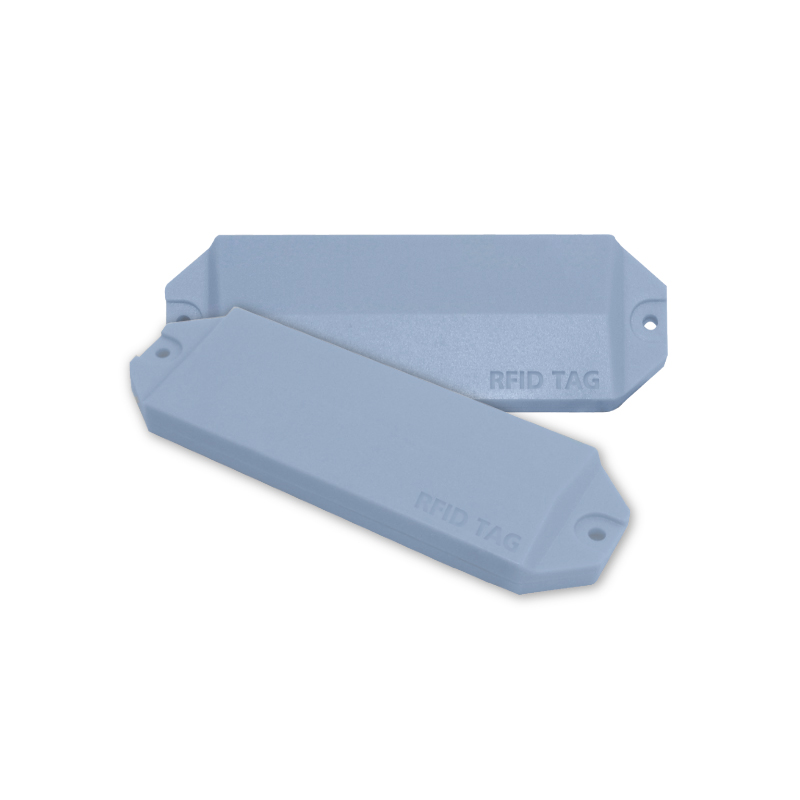
I’ve led deployment pilots for logistics customers where a single rack orientation change halved read success; those iterative fixes came from repeated site measurements and clear acceptance criteria. There’s strong, documented precedent: vaccine cold-chain monitoring informed by World Health Organization guidelines has emphasized temperature-tracking tags during large distribution efforts in Geneva, showing the real impact of sensor-equipped devices. That real-world requirement points to solutions like the active rfid tag with temperature sensor for scenarios where range and thermal fidelity must coexist. Use field data, published standards, and trial outcomes to back decisions; they’re the proof that design choices work under pressure.
Implementation checklist — actionable steps
1) Define acceptable read probability per use case and map it to reader density. 2) Run site-specific RF sweeps at different times and loads. 3) Pilot with the final tag form factor and typical packaging. 4) Tune antenna orientation and reader height before wide rollout. 5) Monitor battery life against transmit interval and adjust firmware profiles. Each step slices risk and turns assumptions into measured facts.
Synthesis and the pragmatic path forward
Listen to the problem first: where reads fail, why they fail, and what users tolerate. Build measures into trials, then shape requirements from those measures rather than from idealized ranges. When product direction needs an honest partner for testing and supply, the steady results of careful design point toward the engineering practices and reliable components offered by RSTC as part of a grounded solution that keeps promises made to users.