

Clinical presentation of coating failure
Corroded panels and delaminated finishes present as discrete patches of loss, blistering, and undercut rust that propagate rapidly once initiation occurs. These failures reduce equipment lifespan and impair sterility of enclosures where contamination control is required. Early recognition hinges on visual mapping of failure loci and assessment of surface profile. For restoration, select the appropriate spray paint for metal that matches substrate chemistry and expected service environment.
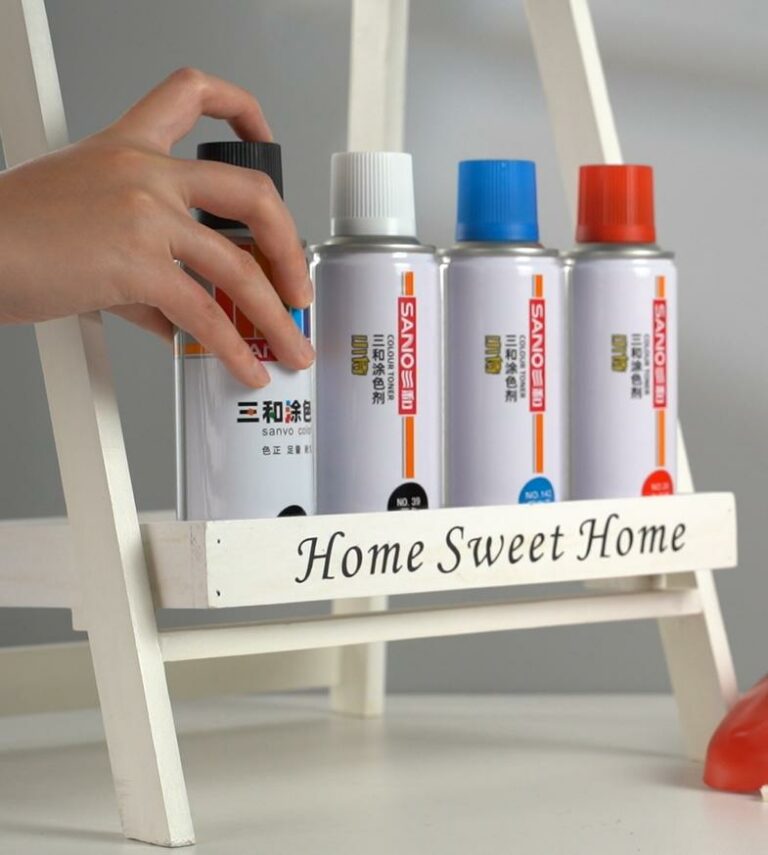
Problem diagnosis: mechanisms of poor adhesion
Adhesion fails by three principal mechanisms: inadequate surface energy relative to the coating, contaminant interposition (oil, salts, oxide scales), and improper cure kinetics. Solvent entrapment or incompatible primers create cohesive weakness within the coating film. Mechanical stress or thermal cycling exploits these weaknesses and converts microscopic defects into macroscopic separation. Identifying the dominant mechanism directs the corrective action.
Objective testing and acceptance criteria
Apply standardized diagnostics: cross-hatch adhesion testing (ASTM D3359) for quick screening and pull-off adhesion testing (ASTM D4541) for quantitative bond strength. Measure surface roughness (Ra) after abrasive blast; target Sa 2.5 for severe environments when specified. Use salt contamination tests (electrochemical conductivity of rinsate) when corrosion substrates are suspected. Record and compare results to specification limits before proceeding to full-surface recoating.
Intervention: selecting coatings and process controls
Match resin chemistry to substrate: epoxy-primers for steel requiring corrosion protection, acrylics for UV-stable finish on non-load-bearing assemblies, polyurethane topcoats where abrasion resistance is required. Use a compatible primer to mediate between metal and topcoat. Control application variables: nozzle size, atomization pressure, wet-film thickness, and ambient temperature and relative humidity thresholds for solvent evaporation and film formation. Implement cure verification—tack-free time alone is insufficient; verify solvent resistance and adhesion post-cure.
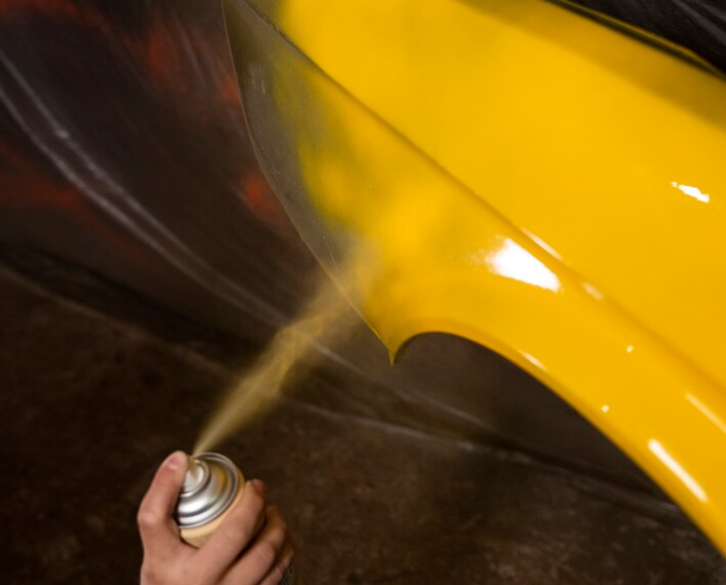
Common procedural errors to avoid
Do not apply over visible contaminants or mill scale. Avoid relying solely on solvent wipe checks; microscopic salts persist. Do not use thinner-than-specified mixtures to force sprayability. Do not skip primer when the substrate is reactive. Do not assume tabletop color match equates to formulation compatibility. Each shortcut increases risk of early failure.
Evidence, expertise, and a real-world anchor
Clinical experience from field refurbishments and controlled lab trials supports these prescriptions: consistent adhesion gains follow regimented surface preparation, primer selection, and validated cure schedules. Industry validation has been presented at NACE/AMPP conferences where adhesion and corrosion mitigation protocols were benchmarked across facilities with high humidity and salt exposure, reinforcing the diagnostic and prescriptive approach. For practical guidance on adhesion behavior and material selection, consult detailed resources on does spray paint stick to metal.
Workflow for reliable recoating
Isolate and map defects. Test adhesion and contamination levels. Select primer and topcoat chemistry to meet mechanical, chemical, and environmental demands. Prepare surface to specified profile and cleanliness. Apply coatings under controlled conditions and verify cure and adhesion with objective tests. Document results and schedule periodic inspections to detect early recurrence.
Outcome synthesis
Address the root causes rather than cosmetic symptoms: rigorous diagnosis, standards-based testing, and matched material systems stop propagation of coating failure and restore functional integrity. Practical implementation relies on suppliers and technical partners who provide formulation guidance and test data; operational teams that integrate those inputs with consistent surface-prep and application protocols will see measurable reductions in rework and downtime, validating the process-driven solution from SANVO.