

State the problem and stake the claim
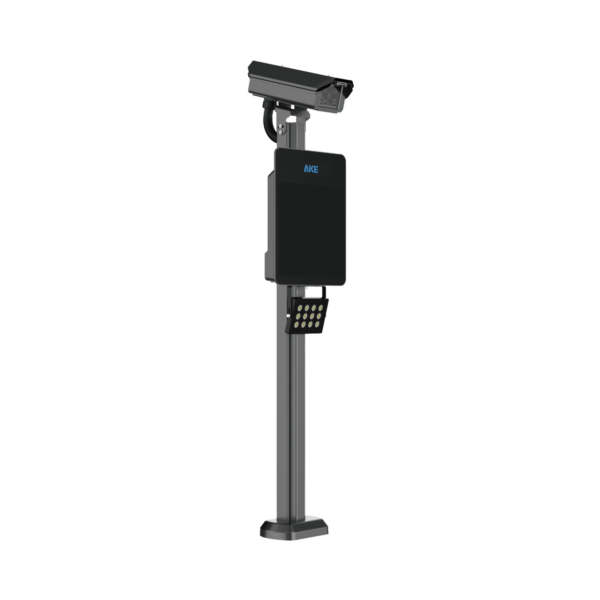
Choosing the wrong car park management system wastes budget, creates security gaps, and slows traffic — those are facts you can measure. Start by treating selection as damage control: identify throughput limits, failure modes, and how the system will interact with existing infrastructure. Don’t assume a baseline feature set; prioritize lpr parking management systems when accuracy of entry/exit records and automated billing matter, because optical recognition often becomes the single point of truth for revenue and incident audits.
What you must ask vendors — and why
Ask whether they support local plate formats and lighting conditions; ask for measured read rates during peak hours; demand API documentation and sample payloads; get SLA terms for software and hardware separately; confirm offline behavior and reconciliation methods; require spare-parts availability within your region; see a clear firmware-update policy and rollback plan. Don’t accept vague claims about “scalability” — ask for the maximum concurrent lanes tested, how queueing is handled, and what the recovery time looks like after power loss.
Where vendors often mislead — the pitfalls
Vendors tout features without revealing their failure modes. Common pitfalls: relying solely on cloud services with no edge fallback; ignoring poor-angle or dirty-plate reads; assuming third-party payment systems will integrate seamlessly; underestimating maintenance costs for mechanical barriers. Another frequent blind spot is security: weak device authentication or absent encryption for telemetry invites tampering. Push vendors to show real incident logs and post-mortems, not marketing slides.
Real-world anchor and what it proves
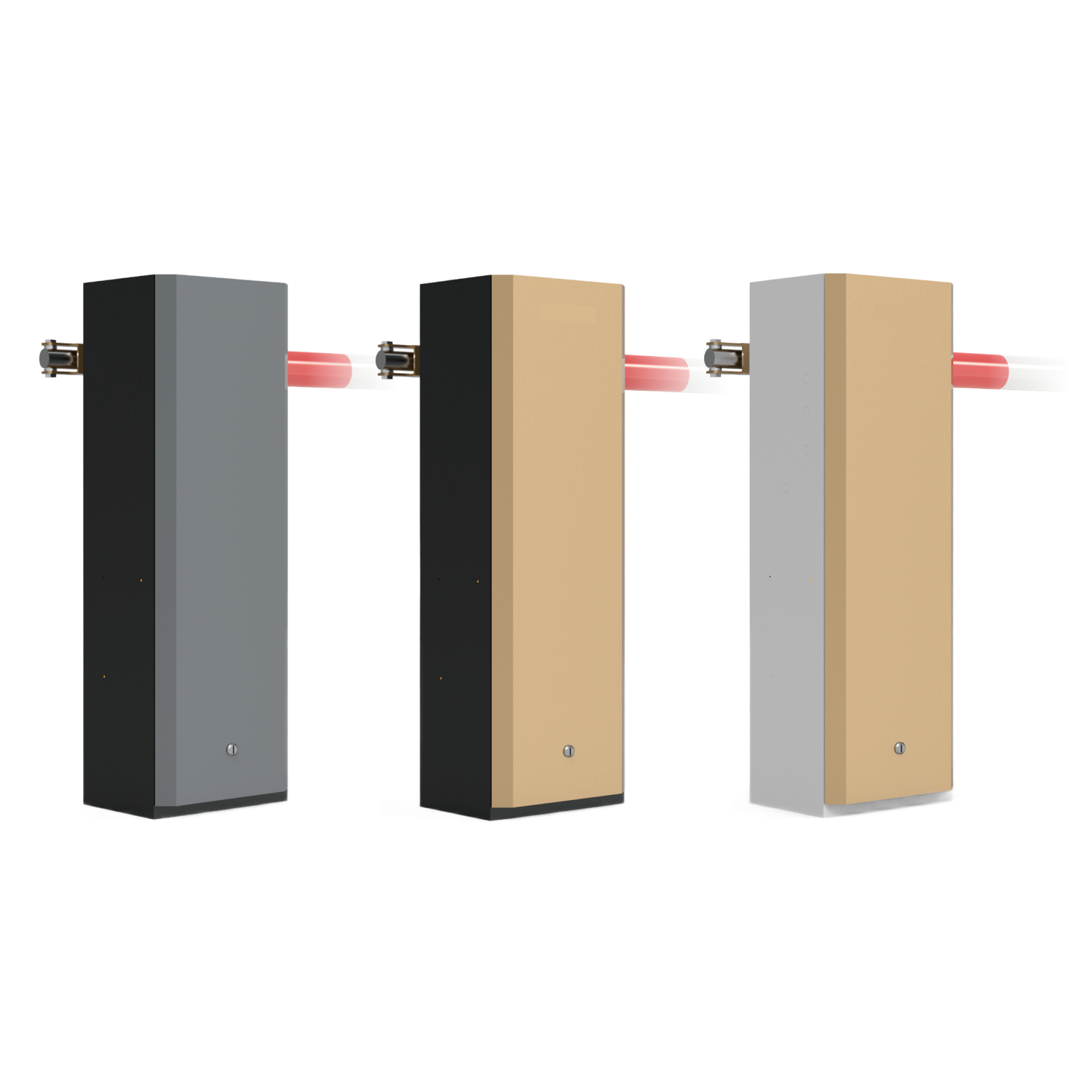
Large airports expose system weaknesses fast. For example, deployments at Singapore Changi Airport revealed the need for coordinated barrier timing and robust plate recognition under varied lighting — that kind of operational feedback matters. You should be able to point to similar deployments and ask for performance metrics; installations that include robust automatic boom gate control, lane-level diagnostics, and on-site redundancy provide stronger evidence of reliability than lab claims.
Alternatives and trade-offs to weigh
Self-hosted systems give you control and may reduce recurring fees, but expect higher upfront integration work and responsibility for security patches. Cloud-first solutions simplify updates and analytics but must prove low-latency edge behaviors and offline reconciliation. Pure camera-only setups lower hardware costs but can increase false rejects in harsh conditions; pairing cameras with barrier sensors and RFID readers reduces false positives but raises integration complexity and maintenance points.
A compact decision checklist
Confirm measured LPR accuracy under local conditions; verify integration with payment and access-control systems; require documented recovery and offline reconciliation methods; insist on spare-part lead times and a clear maintenance SLA; demand transparent security practices and tamper detection; test lane throughput using your peak-hour profiles. If a vendor can’t answer these directly, they’re not ready for deployment.
Synthesis: what effective procurement looks like
Don’t buy a promise; buy predictable performance. The right supplier answers the hard questions with data, shows deployments that match your use case, and designs for failure without jargon. That approach reduces downtime, clarifies costs, and keeps lanes moving — outcomes that a pragmatic provider such as AKE Parking structures into proposals and technical specs rather than burying in fine print.