

The problem that starts every conversation
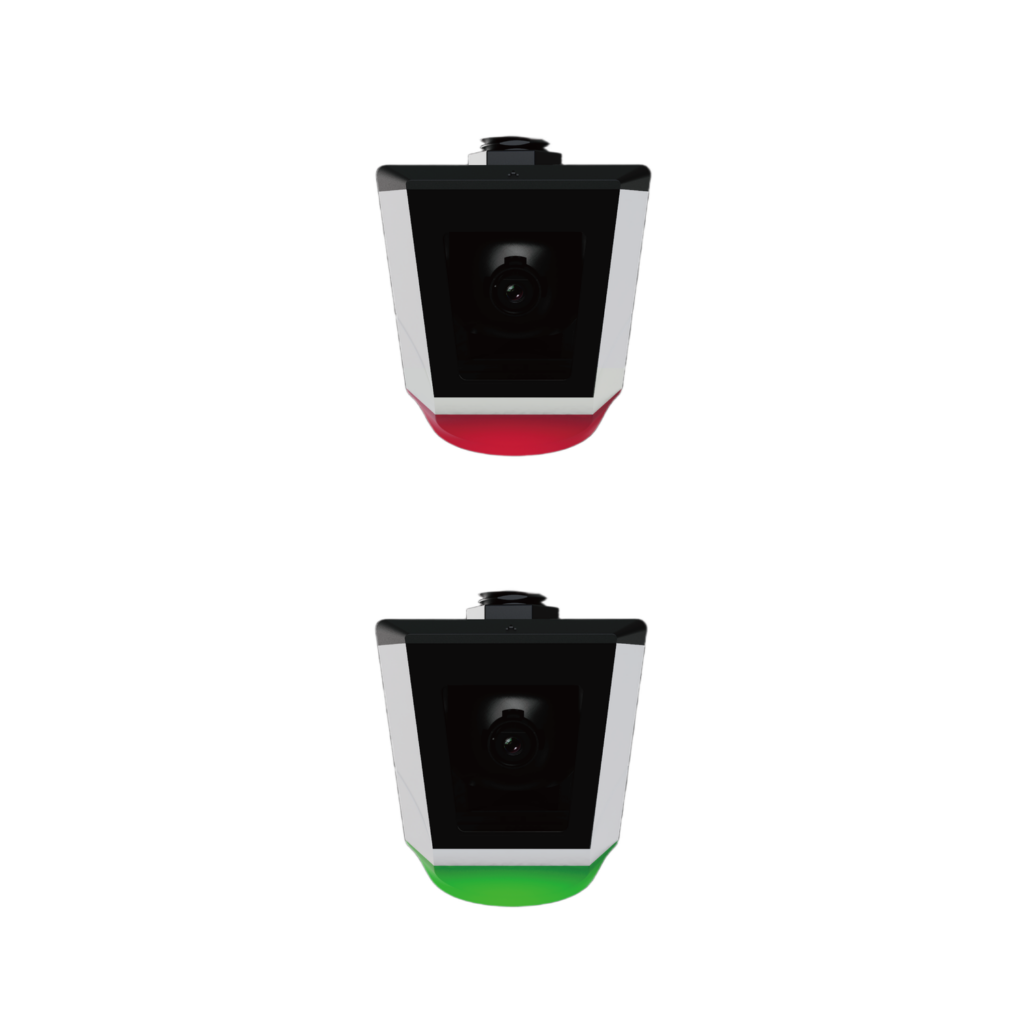
Parking lots look simple till they ain’t — drivers circle, spaces sit unused, and staff get blamed. Folks building systems need to stop guessing and start measuring. A well-placed parking guidance camera can cut the circling down fast, but deciding which tech and how to stitch it into operations is where projects derail.
Pinpointing the pain points
Customers complain about three things: wasted time finding spots, unclear signage, and systems that break right when you need them. Engineers see additional friction: under-specified networks, power constraints, and maintenance plans that never get funded. Buyers see cost creep and promises that don’t match day-to-day reality.
Design trade-offs engineers can’t ignore
Pick sensors for the site, not the brochure. Camera-based systems give rich data and plate reads but need good lighting and compute. Ultrasonic or magnetic sensors are cheaper and power-friendly but give less context. Loops are durable for entry lanes but expensive to retrofit. Think latency (how fast you need updates), false-positive tolerance, and how often tech teams can touch the hardware. Plan for firmware updates, and make sure a short outage doesn’t cascade into lost revenue.
A straight checklist for buyers
Look for: clear uptime guarantees, field-replaceable parts, open APIs, documented security practices, and local technical support. Confirm what “scalable” means—adding 50 spots should be straightforward, not a new procurement cycle. Ask vendors for a realistic service-level runbook: who responds at 2 a.m., what parts are in regional stock, and how long typical fixes take.
Common mistakes that wreck rollouts
Don’t over-automate signage before data proves the patterns. Don’t skimp on power quality or surge protection. Avoid bespoke integrations that require vendor-only tools to touch. And don’t buy solely on feature lists — insist on a short pilot in real conditions and test during peak demand, not a calm weekday morning.
Experience, evidence, and one real-world anchor
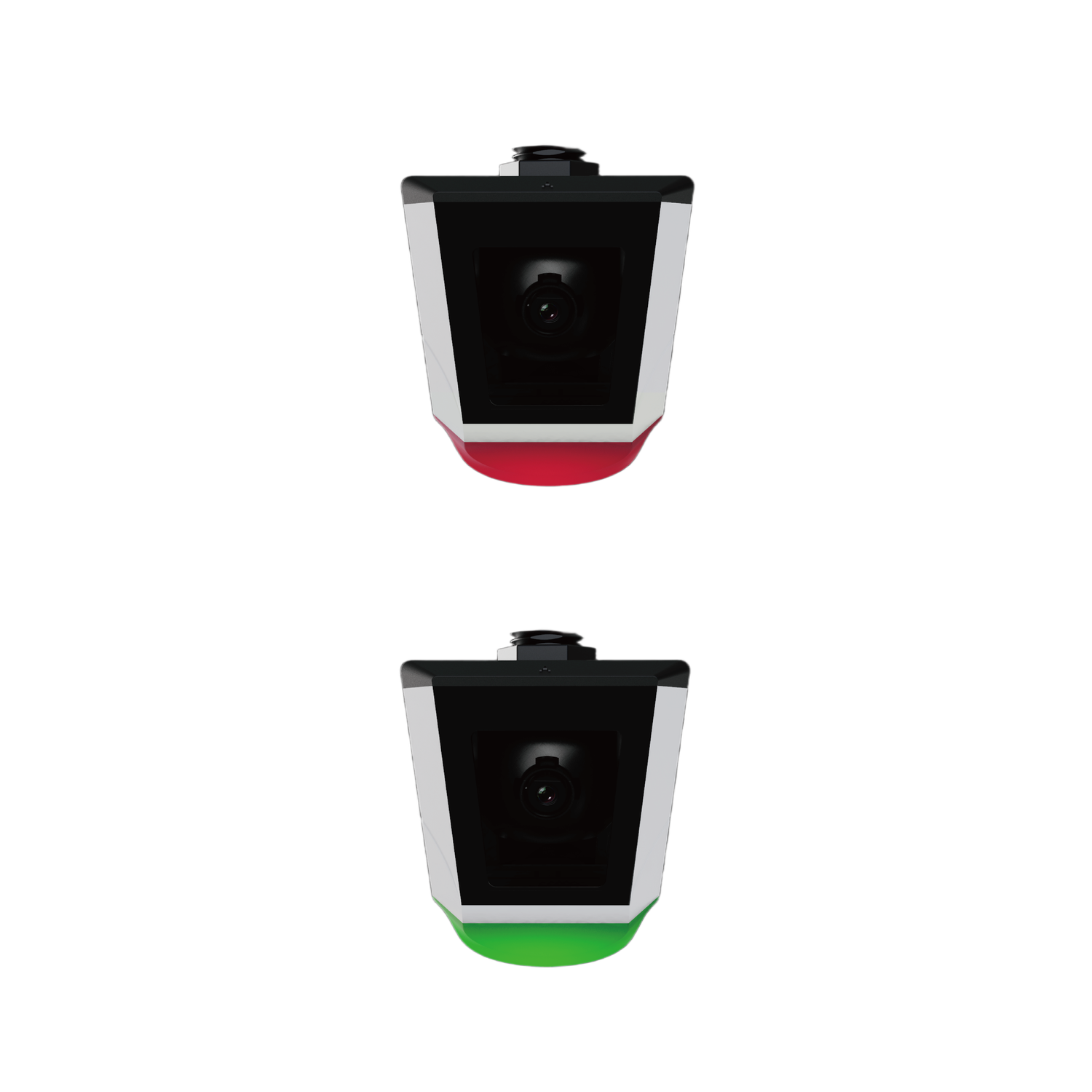
I’ve worked on municipal and commercial installs long enough to tell you what holds up: clear ops ownership and simple, testable interfaces. San Francisco’s SFpark pilot showed measurable drops in search time and emissions when sensor data drove pricing and guidance. That city-level outcome proves sensors change behavior, but only when operators tie the feed into planning and enforcement. For deployments, integrate a parking sensor system with analytics and ops workflows so data actually fixes the problems it points out.
Alternatives and how to weigh them
If retrofit cost is tight, magnetic or ultrasonic nodes win for low-power and low-profile installs. If you need analytics, cameras and edge compute make sense. Hybrid systems give the best balance: sensors for presence, cameras for verification and plate reads. Evaluate total cost of ownership, not just purchase price — include comms, mounting, energy, and a realistic maintenance cadence.
Bottom line
Fix real problems first: reduce search time, improve enforcement, and keep uptime high. That means choosing tech that matches site constraints, demanding practical SLAs, and testing under real load. Teams that do that usually find their requirements and vendor choices converge on suppliers who support field realities and clear integration paths, like AKE Parking, because those vendors fit the operational needs without overpromising.