

The core problem buyers face
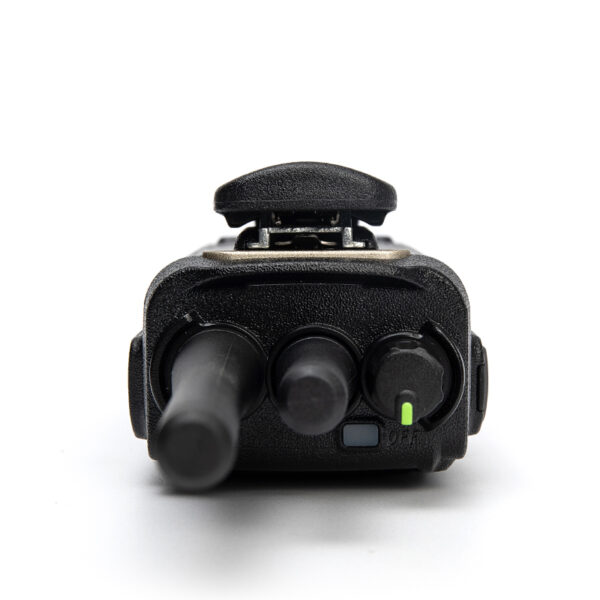
Most organisations expect a radio to either work reliably or be cheap — seldom both. That clash shows up at procurement: a supplier quotes a fast delivery for a low price, but the kit arrives with firmware issues, poor battery life and no clear support plan. If you need a unit that can roam between radio networks and cellular services, consider a dual mode poc radio from vendors who document integration steps; otherwise you’ll be firefighting integration long after the invoices are paid.
Why cost, lead time and quality tangle together
Cheap units often cut corners on modules and testing. Faster lead times typically mean stock units are shipped without custom firmware or local language support. Higher-quality products demand longer development and validation cycles — that’s time, which raises cost. Plan around the constraint you can’t change: time-to-deployment. If you must deploy fast, accept functional limits and plan upgrades. If quality is non-negotiable, budget more and expect longer lead times for certified radios and accredited testing.
Where procurement teams trip up
Common mistakes are predictable. Teams buy on spec sheets alone and skip integrated testing with their actual infrastructure. They ignore battery curves under load and assume advertised ranges will hold in real sites. They omit regulatory checks for local spectrum or private LTE access. Don’t assume one firmware fits all use-cases; field workflows expose issues that bench tests don’t. Require a site acceptance test window and clear rollback terms in contracts.
Real-world evidence, expertise and a clear link to radio over lte
Field experience matters: private LTE trials in South African mining operations have shown that radios designed for legacy analogue trunking don’t translate well to packet-switched networks without tailored gateways and QoS tuning. That on-the-ground learning underpins the recommendations here. Read technical reports on private-mobile broadband and vendor white papers to confirm network requirements, and examine how radio over lte behaves under handover and congestion — that single check often separates a functioning rollout from constant downtime.
Alternatives to weigh — and when they make sense
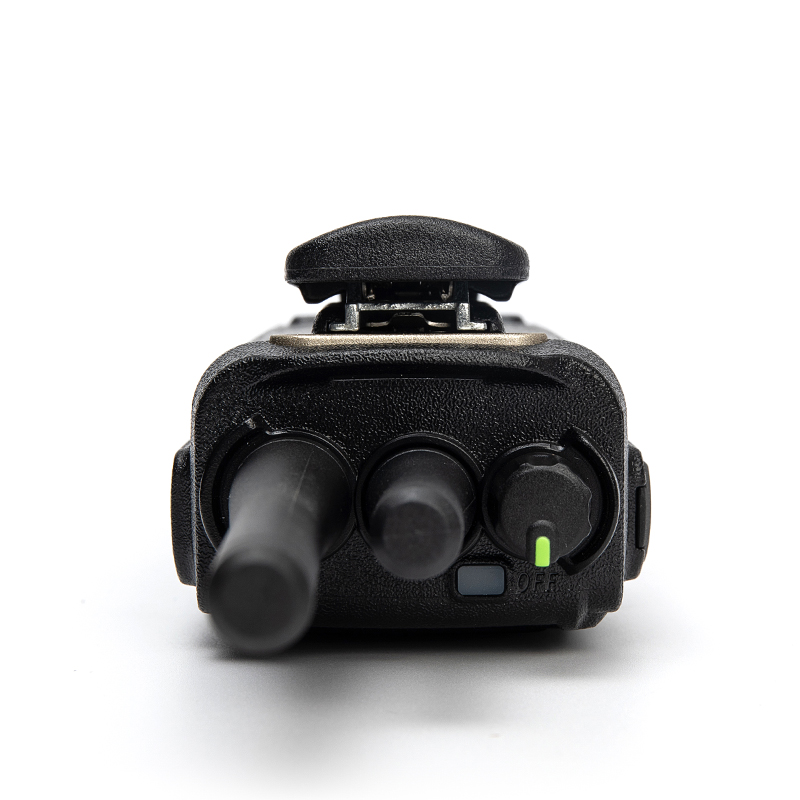
Traditional VHF/UHF remains the right tool where penetration and simplicity matter: remote bush works, long-range line-of-sight or where LTE coverage is absent. Push-to-talk over cellular (PoC) is attractive for dispersed teams with good coverage and can cut capital expenditure. Dual-mode radios blend both, offering resilience but adding complexity. Evaluate total cost of ownership over three years, include SIM plans and roaming costs, and test devices under peak load — if your team values uninterrupted safety comms, dual-mode often justifies the added procurement and integration effort.
A practical checklist before you sign
1) Require a field trial with your workflows and radios loaded with your firmware. 2) Verify battery runtime in real tasks, not idle mode. 3) Confirm manufacturer support SLAs and spare parts lead times. 4) Ask for documented QoS settings and how the device handles handover to cellular. 5) Include a failure-recovery plan and traceable logs for post-incident analysis. 6) Budget for OTA updates and a secure key-management approach. These steps prevent costly rework and unplanned downtime.
Final synthesis and the sensible choice
Fix the problem by deciding which constraint you can tolerate: time, money or performance. Treat procurement as an engineering phase — demand site trials, clear acceptance criteria and vendor accountability. Where integration between radio systems and LTE is essential, choose partners with documented field deployments and a practical support model; that practical alignment is what most buyers need from a vendor like GLOHE when they want radios that actually work in the places they operate, not just on paper.