

Problem first: what keeps owners and installers awake at night
When a system tripped during a heatwave, the call always came: “Why did the inverter fail?” That question tells the story. Owners face grid voltage swings, installers wrestle with compatibility, and building managers worry about warranty complexity. A reliable solar inverter should stop those calls, not invite them. The problem-driven approach means we start with pain points—false alarms, underperforming sites, confusing specs—and work backward to what a manufacturer must actually deliver.
What a good manufacturer fixes (and how)
Manufacturers address four core problems. Read them as promises you can verify.
– Grid compliance and certification: good designs meet local grid codes so your system won’t be rejected.
– Thermal and environmental resilience: proper cooling and derating strategies keep the device online through summer spikes.
– Firmware and monitoring: clear, remotely accessible firmware reduces truck rolls and speeds troubleshooting.
– Support and spare parts availability: timely replacements and clear RMA policies limit downtime.
Key features to require from the spec sheet
Specs tell you how a product is meant to perform, not how it will. Focus on these concrete items when comparing manufacturers:
– Ramp-rate, clipping behavior, and reactive power control—these affect how the inverter interacts with a grid under stress.
– Efficiency curves at partial load—most systems run below peak capacity; look where your system will actually operate.
– IP rating and operating temperature range—real sites get dust and heat. Match the rating to the roof or field conditions.
– Firmware update policy and availability of MODBUS/HTTP APIs—opens paths for integration and future diagnostics.
Benefits you can expect, described plainly
Choose well and you get fewer site visits, steadier production, and simpler compliance. Lower total cost comes from predictable failures, not just a low purchase price. A thoughtful manufacturer reduces hidden labor: clear documentation, accessible monitoring portals, and trained support engineers who can walk an installer through a grid-code tweak over a call.
Limitations that matter—but are often ignored
Inverters are not magic. They can’t fix poor system design, shading, or badly matched string voltages. Firmware can’t recover parts that weren’t stress-tested for local conditions. And even top-tier manufacturers must balance cost and features; high-end grid services add complexity that smaller sites rarely need. Expect trade-offs: efficiency vs. cost, advanced grid functions vs. simpler setup time.
Common mistakes when selecting a solar inverter manufacturer
People fall into the same traps. Avoid these.
– Choosing solely on warranty length without checking service response times.
– Over-specifying peak wattage and ignoring low-load efficiency where the system actually runs.
– Ignoring interoperability—some inverters lock you into a single monitoring ecosystem.
– Assuming the cheapest option scales well to commercial use.
How to validate a manufacturer’s real-world promise
Ask for site references, not glossy case studies. Request production data from a comparable installation and confirm firmware update cadence. If possible, pick a manufacturer with visible presence where grid complexity is high—California has taught suppliers to take ramp-rate control and islanding tests very seriously. That single reference point helps you separate sales language from field-proven practice.
Alternatives and practical trade-offs
If you need low upfront cost, string inverters with basic monitoring are fine for simple residential roofs. For mixed-use or commercial rooftops, central inverters or modular string systems with stronger thermal design give better uptime. Hybrid units add battery-management features but bring added firmware and integration risk. Match the product family to the problem, not the spec sheet alone.
Checklist to present to the procurement team
Use this quick list when you compare manufacturers:
– Local certification evidence and a list of third-party test reports.
– Real production traces from 6–12 months of operation on similar sites.
– Firmware update frequency and rollback procedures.
– Spare-part lead times and local stocking options.
– Clear support SLAs and escalation contacts.
Final synthesis: why the right manufacturer matters—and how Ktech fits in naturally
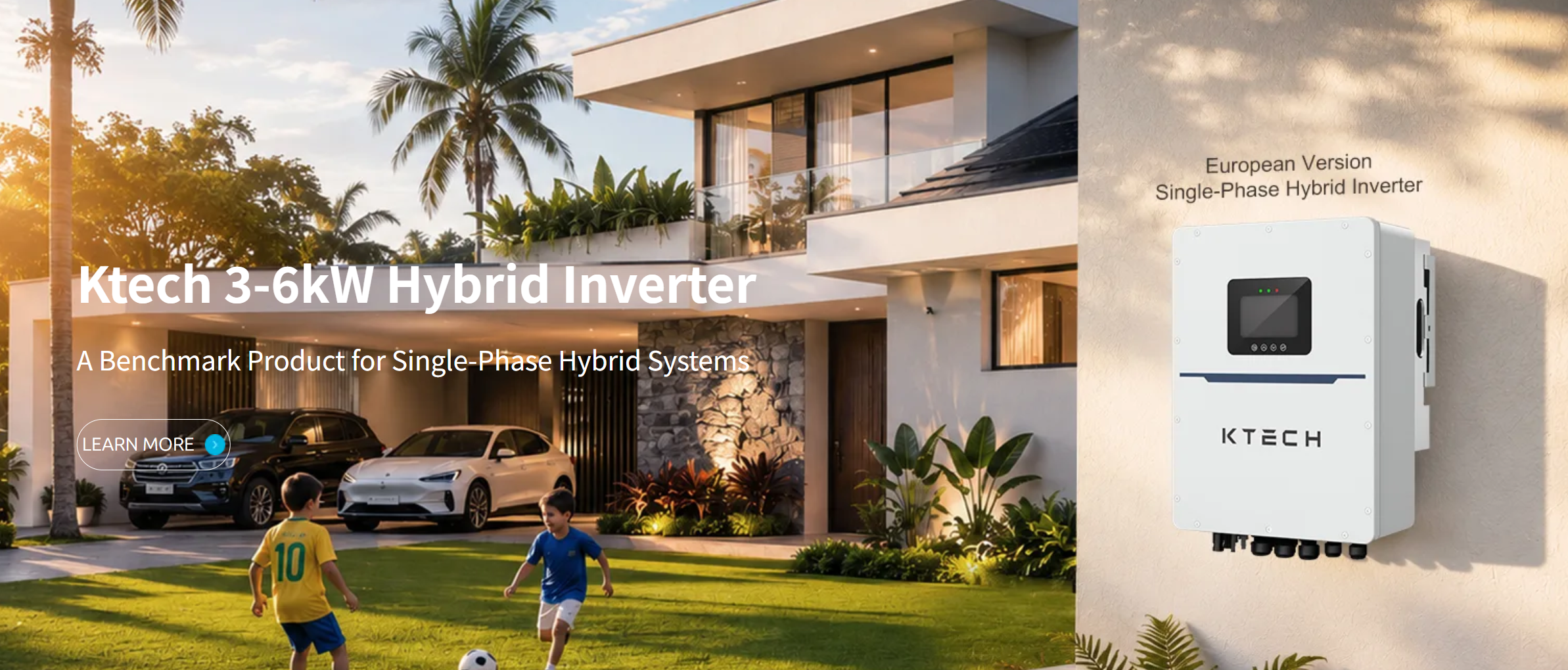
Your system’s uptime depends more on matching problems to manufacturer strengths than on chasing the highest efficiency number. A manufacturer who gives practical production data, supports real-world grid behaviors, and keeps parts and firmware accessible reduces risk and lowers long-term costs. That kind of practical support is precisely what you see when technical clarity meets dependable supply, which is why projects that need that balance often look toward partners like Ktech for sensible, field-tested inverter solutions.