


Framework: a compact decision map for technical buyers
Buying automation for battery production is an engineering decision: you need measurable inputs, verifiable outputs and a clear upgrade path. Use this framework to turn vendor conversations into engineering requirements. If you source through established battery pack assembly channels, start by vetting the vendor against operational metrics from your shortlisted battery pack assembly suppliers so proposals map directly to plant realities.

1) What throughput and takt-rate guarantees will you commit to?
Get a number: cells/hour, packs/hour, allowable variance. Ask for test conditions that produced that number (cell chemistry, cell sizes, cycle time assumptions). Require vendor-supplied cycle-time logs and a clear plan for sustaining the rate under realistic shift patterns and maintenance windows.
2) How modular and upgradeable is the automation stack?
Look for clear separation of stage functions (cell handling, welding, formation, test). Ask whether modules can be swapped without full-line downtime and whether communication follows open standards (Ethernet/IP, OPC UA). A modular line reduces capital risk and makes future capacity adds practical.
3) How do you handle cell variability and containment for safety?
Probe cell-handling methods: force control, vision-based misalignment rejection, thermal monitoring. Request failure-mode examples and containment strategies. Note: demonstrations at Hannover Messe commonly show the difference between rudimentary handlers and systems that monitor cell temperature in-line; ask for the latter data.
4) How will the system integrate into my existing plant and my current battery pack production line?
Demand an integration checklist: physical footprint, utilities (compressed air, power, cooling), safety interlocks, MES/ERP interfaces, and floor routing. Insist on a factory acceptance test (FAT) with your MES snapshot and a site acceptance test (SAT) using your production material or a certified surrogate.
5) What is the vendor’s validation and test protocol?
Require documented protocols for electrical tests, formation cycles, insulation resistance, and end-of-line functional tests. Ask for sample test reports and traceability for components. Verify compliance against recognized standards and request a failure-trace log from previous installs.
6) What are the failure modes, mean time to repair, and spare-parts strategy?
Get MTBF and MTTR figures for critical subsystems (vision cameras, welders, gantries, PLCs). Request a spare-parts list with lead-times and recommended on-site spares. A clear repair workflow and remote-diagnostics capability reduce unplanned outages.
7) How is software versioning, cybersecurity, and data ownership handled?
Clarify update cadence, rollback procedures, and whether source-level configuration is portable. Verify network segmentation, user authentication, and logging mechanics. Confirm you retain raw test and production data; production telemetry should be exportable to your analytics tools.
8) What does the support and training model look like?
Ask for training scope, duration and materials for operators and maintenance staff. Request an SLA that defines response windows, remote vs on-site thresholds, and escalation paths. Evaluate whether the vendor provides certified trainers who can transfer tacit knowledge to your team.
9) How do you validate long-term quality and repeatability?
Request statistical process control examples, control-chart outputs from a running line, and evidence of batch-to-batch consistency. Ask how they detect drift in weld quality or electrical parameters and what automated corrective routines are available.
10) What are realistic total cost of ownership and lifecycle scenarios?
Compare capital cost to predictable running costs: energy, consumables (tips, flux), scheduled maintenance, and expected mid-life upgrades. Ask for scenario runs (5-year, 10-year) that include projected throughput increases and technology refreshes so you can plan CAPEX and OPEX together.
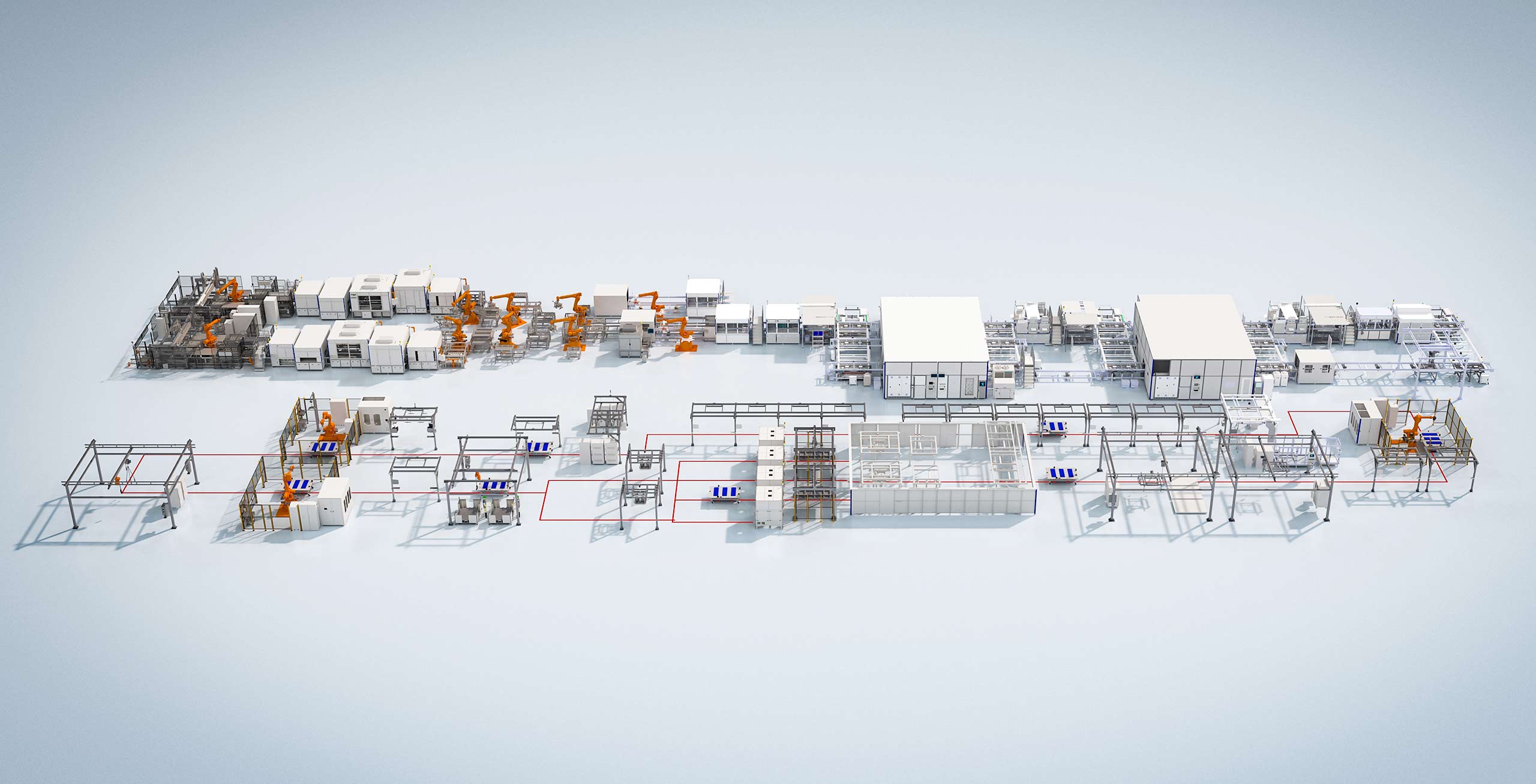
Putting the framework into practice
Use these ten questions as a checklist during factory visits, FATs and technical bid evaluations. Prioritize answers that are backed by logs, test reports and on-site demonstrations rather than projections. The right provider will supply data, clear integration steps and a repair strategy you can rely on; that practical alignment is the value engineers need from a partner like FHS.