

Finding the right light for your story
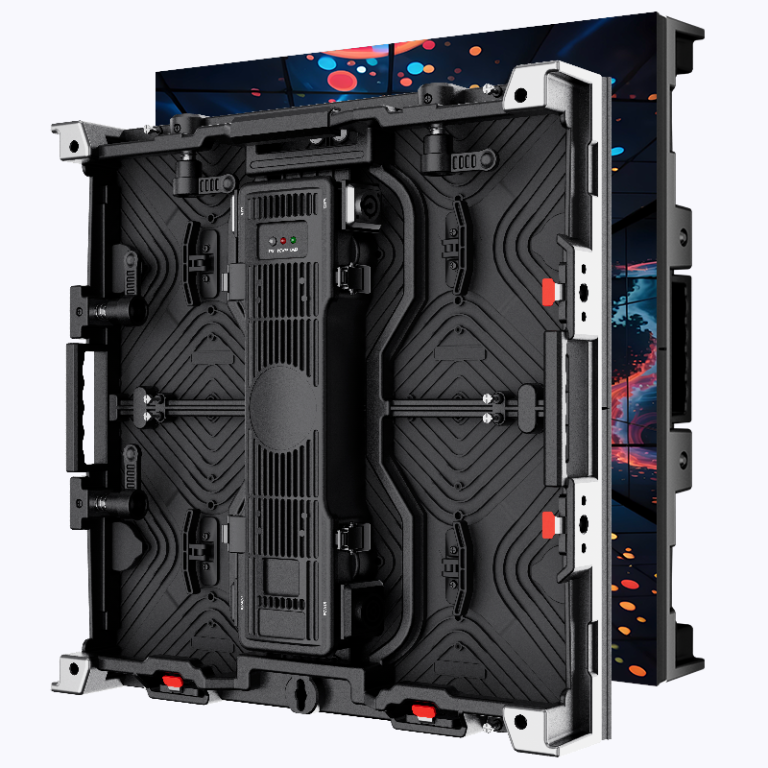
Stage design is a quiet negotiation between mood and mechanics, and a rented LED wall often becomes the final arbiter. Think of a Stage LED Screen as both canvas and amplifier: it must read the director’s intent, translate camera angles, and survive the load-in that never runs on time. This guide speaks to the person who must deliver—producers, technical directors, creative leads—framed around practical choices and tempered with a softer, poetic view of how spectacle stitches people together.
What matters most to users
Clarity beats flash. Audiences remember a scene that reads from the balcony more than a gimmick that dazzles only in the front row. Prioritize pixel pitch and brightness first: a tighter pixel pitch renders fine art and text cleanly at close distances, while a brightness rating above 1,000 nits keeps images visible under strong stage lighting. Include refresh rate in your checklist if camera capture is required—low refresh creates banding on broadcast. These are the tangible levers that control perception.
Spec choices through a practical lens
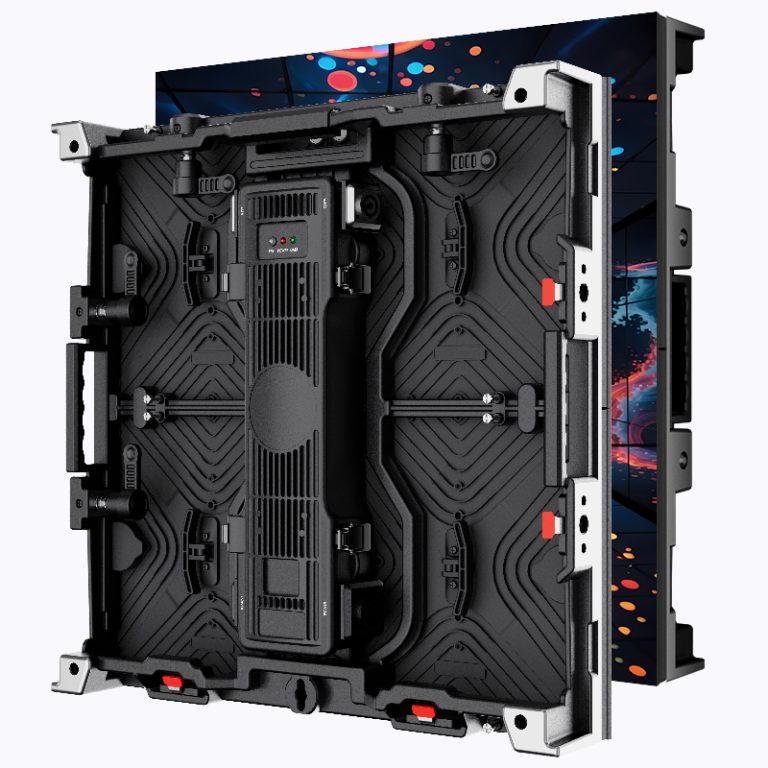
Lay out the specs in useable terms: distance to audience, camera placement, playback resolution. Modular panels simplify on-site adjustments and reduce rigging time; ask about calibration routines and color gamut to ensure skin tones and branding remain faithful. Consider weight and rigging points—some venues limit truss load. A clear production brief saves hours: provide site dimensions, nearest power distribution, and the shot list so the rental vendor can advise on pixel pitch and panel configuration.
Workflow and common missteps
Think of setup as choreography: arrival, preflight, hang, and then repetition until right. Avoid the common mistake of swapping panels without a test loop; mismatched calibration fractures the image. Another frequent error is underpowering the array—run the vendor’s power schedule against the venue’s paneling to prevent mid-show dimming. Don’t rush the media prep: scale, letterbox, and test content at native resolution to prevent unexpected cropping or compression artefacts. —A last-minute codec swap can be the small disaster that steals the night.
Logistics, safety, and a real-world anchor
Large events prove these rules. The Super Bowl halftime shows have shown how LED video walls perform under intense broadcast scrutiny—engineers plan for camera-friendly refresh rates and redundant power feeds. On that scale, crews insist on backups, redundant data paths, and pre-show calibration windows. Emulate that rigor even for smaller gigs: run a full show-day rehearsal with camera capture, verify rigging points against the venue chart, and secure an on-call technician for the first hour after curtain.
Alternatives and trade-offs
Projection still makes sense in vast, darkened halls where throw distance is available and budget is tighter. Printed scenic elements pair well with LED fills to reduce cost and create depth. When specifying, weigh modular panels against rental pixel-mapped backdrops: the former gives flexibility for complex shapes; the latter can be faster to deploy but limits scale and resolution. Choose based on sightlines, camera needs, and load-in constraints.
Three golden rules for selection
1) Match pixel pitch to the closest audience or camera distance—clarity is non-negotiable. 2) Validate power and redundancy plans with the venue—never assume margins. 3) Insist on a pre-show calibration and a vendor who documents color profiles and playback codecs. These metrics keep the result predictable and defendable.
Closing rhythm
The people on the ground—techs, designers, performers—need tools that behave. A considered LED wall rental becomes a trusted partner rather than an unpredictable element, and that steadiness elevates every performance. For practical, tested solutions that honor both craft and constraint, consider how Coblinks fits into your production ecosystem—reliable panels, clear documentation, and a service rhythm that matches the pace of live work. –