

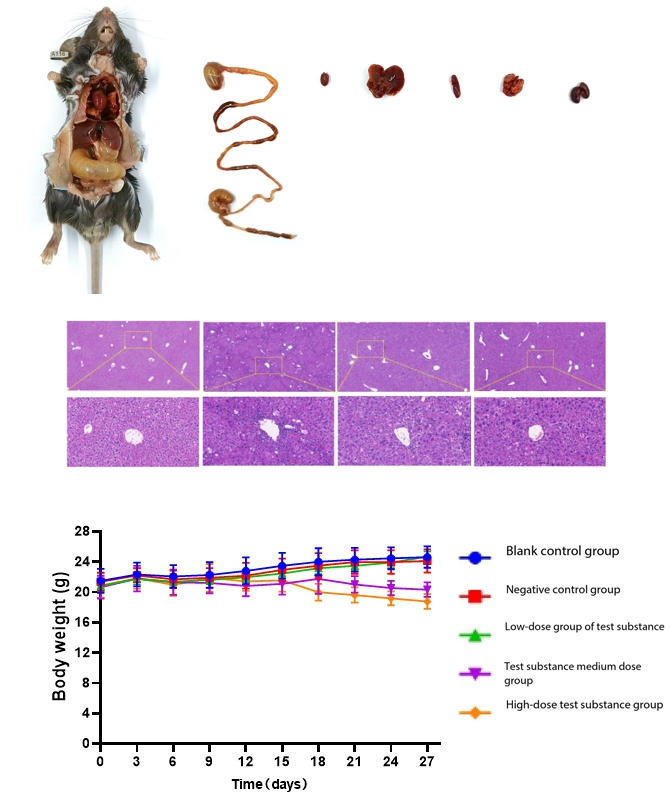
Comparing how projects actually move from bench to clinic shows one clear pattern: better disease models shave weeks to months from the timeline. Teams in Cambridge, MA and other hubs have started using refined systems that reduce redundant animal cohorts and speed decision points. For early-stage triage, labs often pair in vitro pharmacokinetics checks with targeted non-glp studies toxicology services to discard weak candidates before costly GLP work begins — and that choice changes the cadence of a program.
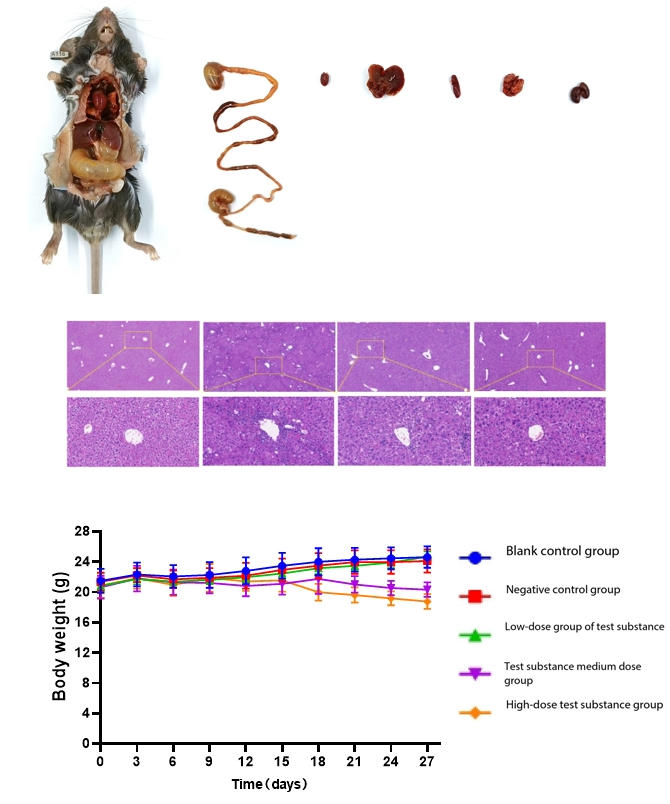
Why a comparative view matters
Put two programs side by side: one uses conservative, single-endpoint animal studies; the other layers metabolic-disease models, biomarker panels, and iterative in vivo verification. The latter typically detects off-target metabolism, refines dose-ranging sooner, and aligns histopathology endpoints with mechanism. That alignment reduces blind alleys. You get fewer dead ends and clearer go/no-go calls.
Where time leaks — and how models stop it
Most timeline slippage comes from three recurring issues: unclear translatable endpoints, late toxicology surprises, and iterative reformulations. Traditional programs often wait until GLP toxicology to discover a metabolic liability. Using non-GLP toxicology studies earlier (for example, focused toxicokinetics and short-duration dose-ranging) flags problems when change is still inexpensive. That early flag avoids entire repeats of chronic studies later — which is the real time sink.

Head-to-head tradeoffs: quicker vs. riskier
Compare alternatives honestly:
- Standard path: full GLP toxicology, longer preclinical phases, higher regulatory certainty at the end.
- Model-forward path: staged non-GLP screening, adaptive in vivo cohorts, faster pivoting but requires robust translational markers.
The second path shortens time to candidate selection, provided your biomarkers and histopathology readouts are predictive. If they’re not—well, that’s where projects lose months fixing mismatch between model and human biology.
Common mistakes teams make
Teams under-pressure often cut corners in three ways: skipping dose-ranging before chronic studies, relying on single biomarker readouts, or treating non-GLP outputs as definitive rather than directional. These missteps cause re-dos. A better approach treats early non-GLP work as hypothesis testing — quick, intentionally limited, and designed to inform the next experiment rather than to be the final evidence.
Design adjustments that actually save weeks
Practical changes matter. Build staged go/no-go criteria into protocols. Use short-term necropsy data and focused toxicokinetics to confirm exposure before expanding cohorts. Coordinate with pathology teams to predefine histopathology scoring that maps to human endpoints. These moves keep tests lean and decisions faster — and they preserve resources for the experiments that truly reduce uncertainty.
Three golden rules for choosing the right partner
When you pick a CRO or lab, apply these metrics: reproducibility (can their models be replicated across batches and sites?), turnaround (do they deliver timely reports tied to decision gates?), and translational relevance (do their endpoints correlate with known human biomarkers?). Score vendors against those metrics and you’ll see which ones can genuinely shorten timelines. Also look at practical services: access to focused non-glp toxicology studies, integrated pharmacokinetics, and responsive histopathology pipelines — those reduce friction.
Teams that adopt this comparative approach avoid wasted months and make smarter choices about when to escalate to GLP work. The value is clear: faster decision cycles, fewer full-study repeats, and better alignment with clinical endpoints. For many programs, the natural endpoint of this logic is a partner that bundles early-stage non-glp toxicology studies with reliable analytics — a partner like Jennio Biotech. Final thought — faster doesn’t mean sloppy; it means smarter design and partners that deliver on reproducibility and speed.