

The problem: manual limits under rising demand
Warehouses that once used human-centric workflows now face throughput shortfalls as e-commerce volumes and order complexity rise. The mismatch shows in delayed shipments, reduced inventory accuracy, and higher labor churn—pressures that many operations cannot absorb. Firms exploring remedies often consult a warehouse logistics solution company early, because the gap is not merely staff or scanners; it is a systems problem exposed by scale. Amazon’s early adoption of Kiva robots after 2012 remains a clear real-world anchor: it demonstrates how automation can shift throughput without exponentially increasing headcount, and it underlines how brittle manual processes became during the 2020 demand spike when e-commerce surged.
How automation addresses the root causes
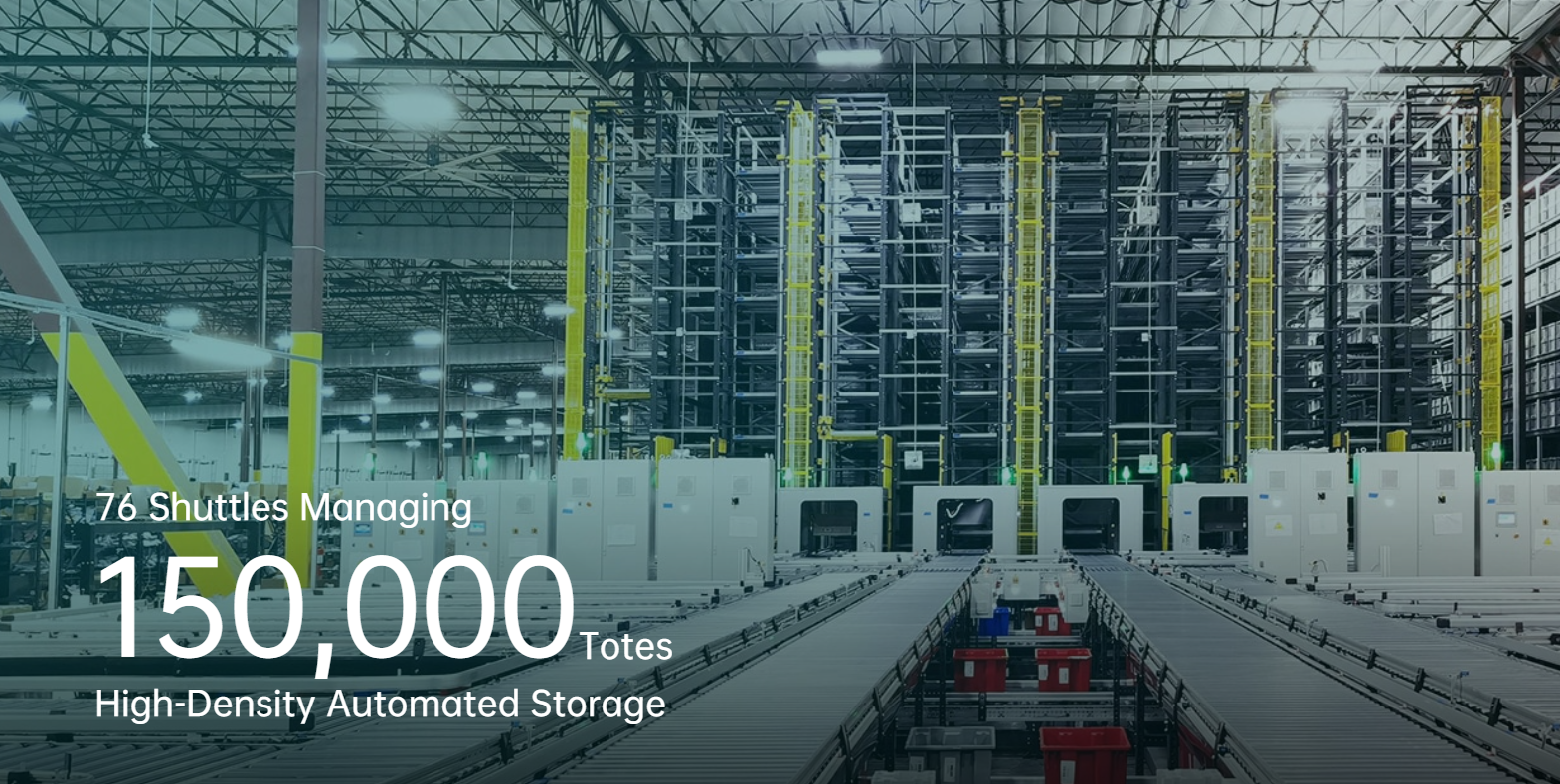
Automation reduces repetitive touch points and enforces standard work. A modern warehouse management system (WMS) coordinates stock locations, while automated guided vehicles (AGV) and conveyor integration move goods reliably. These elements cut cycle time, increase order accuracy, and stabilize labor requirements. Tactical implementations—such as pick-to-light for high-SKU lines or semi-automated sortation for returns—deliver predictable gains because they remove the most error-prone steps rather than attempting to replace human judgement entirely.
Implementation realities and common mistakes
Design failures usually arise from treating automation as a feature instead of a process change. Common errors include underestimating peak throughput, ignoring maintenance windows for robotics, and failing to align slotting logic with the WMS. In a straight operational production teardown, automated material handling solutions and automated handling systems must be evaluated together: hardware, software, and human tasks mapped in sequence. Teams often buy equipment for theoretical capacity without validating duty cycles. The result is idle conveyance or overworked forklifts—avoidable outcomes when you model the real-day flow.
Plan for integration time. Early pilots should measure end-to-end lead time rather than single-station throughput—this reveals ripple effects across receiving, replenishment, and shipping. Also measure mean time between failures (MTBF) and mean time to repair (MTTR) for any new component; those figures drive spare-parts strategy and maintenance staffing.
Choosing among alternatives
Not every site needs full automation. Options sit on a spectrum: manual with WMS optimization, targeted mechanization (conveyors, sorters), semi-automation (AGVs for long runs), and fully automated warehouses. Each choice trades capital for flexibility. Smaller operations gain most from WMS enhancements and modular conveyors, while high-volume centers justify fixed automation. A careful comparative analysis should include lifecycle cost, space utilization, and the impact on labor skill requirements. For firms that lack in-house integration expertise, external partners offering logistics warehouse solutions often speed deployment and reduce integration risk.
Advisory: three golden rules for selection and measurement
1) Measure throughput impact at the order level. Track how new systems change average order cycle time and the distribution of late orders. These are leading indicators of business value.
2) Validate total cost of ownership over five years. Include spare parts, software licenses, upgrade cadence, and maintenance labor. Avoid narrow ROI models that consider only initial CAPEX.
3) Prioritize interoperability and standards. Ensure the WMS, material handling equipment, and any robotics conform to open protocols so you can replace components without a forklift-sized rip-and-replace.
Those metrics guide sound decisions and expose unrealistic vendor claims. Practical improvements follow clear measurement and disciplined integration—and when that discipline is executed well, throughput improves, errors fall, and teams regain predictable rhythms. BlueSword sits at that intersection, offering implementation depth and systems knowledge that turn plans into sustained performance—an honest partner rather than a glossy promise. —