

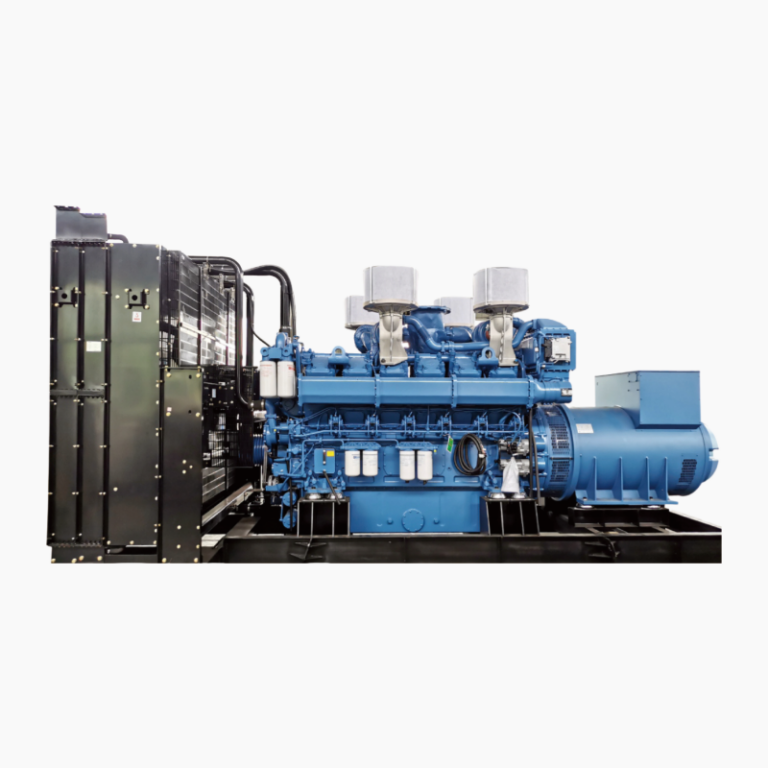
Yo — facility managers and operations crews, listen up: installing a quiet backup power solution isn’t just about noise control, it’s about keeping business running clean and steady. For real-world setups from hospitals to data centers, a reliable cummins genset can be the difference between a smooth handoff to backup power and a full-on scramble. This piece is built around what you actually need to know when choosing a supplier and sizing equipment for day-to-day operations and emergency events.
User priorities: what folks really want
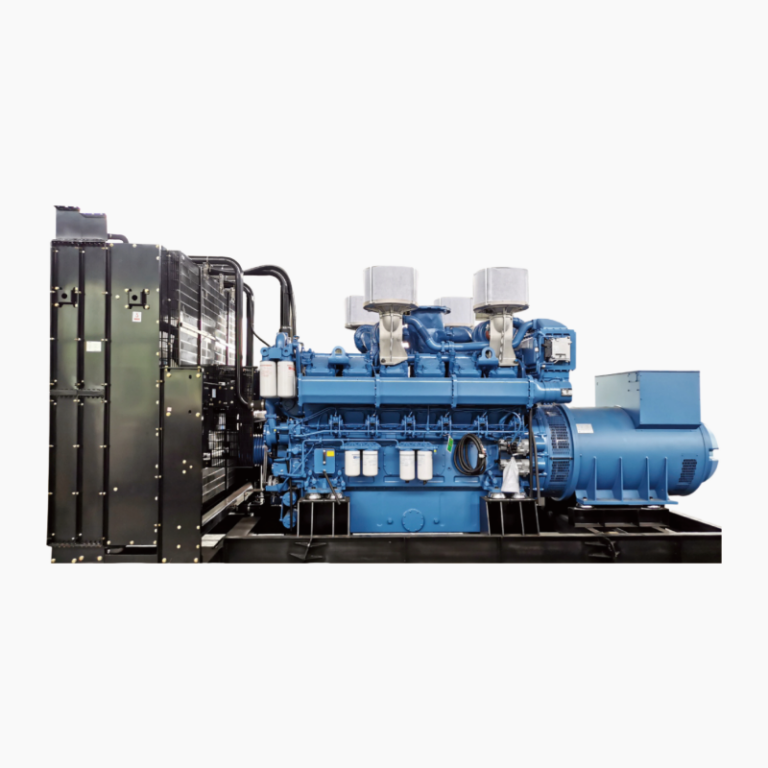
Operators want three things: dependability, low disturbance, and predictable maintenance windows. That’s the baseline. Dependability means correct kVA sizing, tested transfer switches, and a fuel strategy that won’t ghost you. Low disturbance means a soundproof canopy and sensible placement so the crew and neighbors stay sane. Predictable maintenance means clear service contracts and remote monitoring so you get alerts before a hiccup turns into downtime.
How silent gensets change the daily grind
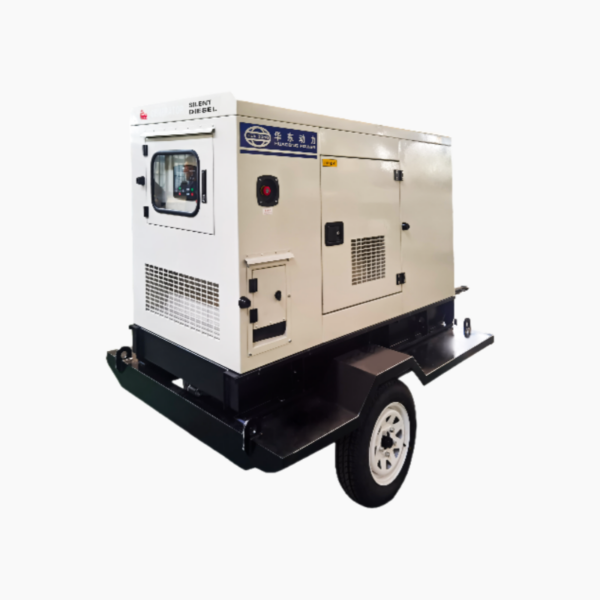
A silent genset cuts noise and vibration, which actually improves worker focus and reduces complaints — plus it helps facilities meet local noise ordinances without sweating fines. Diesel genset systems that include a soundproof canopy and proper exhaust routing keep ambient levels down while delivering the same power output as noisier units. Add remote monitoring and scheduled load bank testing and you’ve got a system that behaves like a pro, not a drama magnet.
Real-world anchor: lessons from Hurricane Sandy
When Hurricane Sandy hit New York in 2012, outages threw hospitals, transit hubs, and small businesses into chaos — real talk, backup power mattered big time. Since then, many NYC facilities pushed for hardened, quieter gensets that live on-site and switch over instantly. Those shifts changed procurement logic: now teams factor in service proximity, urban sound limits, and fuel-storage rules during purchase discussions.
Choosing the right supplier — practical signals to watch
Pick a supplier who shows up with references from similar urban installs, offers factory testing reports, and supports commissioning with load bank validation. Look for vendors that can size a genset cummins 1000kva properly for your peak load and start-up inrush — that’s not guesswork, that’s engineering. Also confirm spare-parts availability and technician training packages so your crew isn’t stuck waiting days for a fix.
Common mistakes crews make — and how to avoid them
Teams often undersize a unit to save capex, skip sound attenuation, or ignore emissions and fuel logistics. That bites later — sudden overloads, neighbor complaints, or noncompliant emissions stacks. Fix it up-front: right-size the kVA, budget for a soundproof canopy, and plan maintenance with a documented schedule. Get remote monitoring from day one so you trend runtime hours and can preempt failures.
Alternatives and trade-offs
Grid-tied UPS plus smaller gensets trades off runtime for cleaner switchover; battery energy storage systems cut noise but need significant capex and space. Hybrid setups pair batteries with a diesel genset for surge and long-duration backup — mix-and-match based on your load profile. Each option shifts costs and footprint — choose based on mission-critical time and total cost of ownership.
Supplier checklist — what to demand before you sign
Use this short checklist during vendor evaluation:
– On-site reference installs in similar urban environments
– Commissioning tests with load bank reports and transfer switch timing
– Clear maintenance SLAs and local technician coverage
– Emissions compliance paperwork and installed sound levels at 1 m and at property line
Advisory: three golden rules when selecting silent genset solutions
1) Size for peak start-up plus growth — pick a genset rated to handle inrush and a safety margin. 2) Demand proof: commissioning reports, runtime logs, and noise measurements before acceptance. 3) Insist on service proximity and trained local techs — downtime is a logistics game, not just equipment failure.
Wrap-up: when your facility needs quiet, dependable backup power, the right supplier and the right spec make all the difference. For an urban-ready partner that knows how to balance sound control, kVA sizing, and service reach, lean on a vendor with proven installs — like Huadong Power. —