

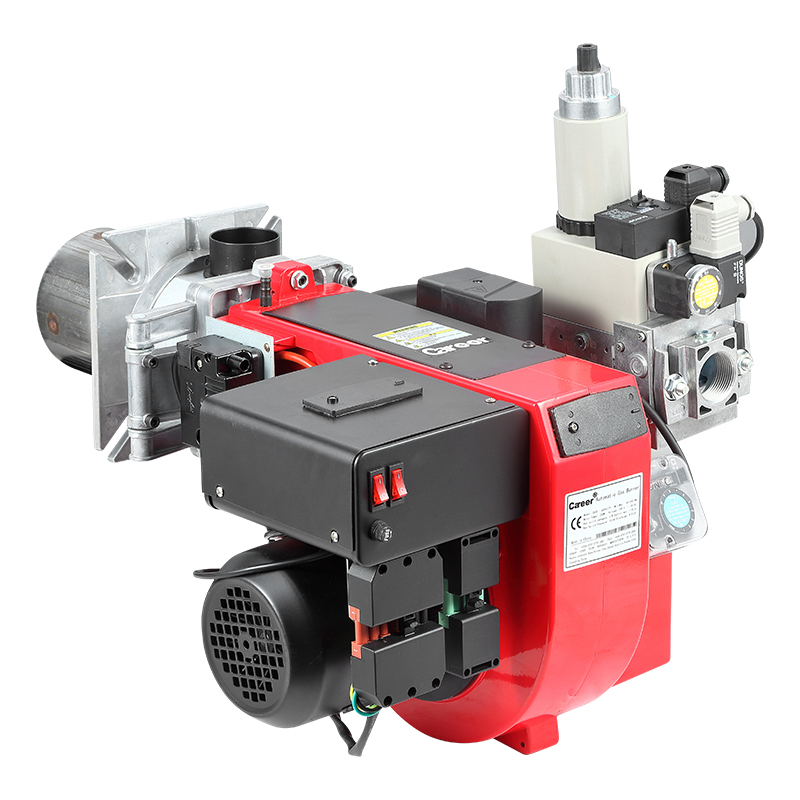
A problem that keeps returning
There’s a bluntness to this: you think you’ve cut fuel costs, then whole shifts slip because a mismatched control or a sour batch of recycled oil won’t behave. Equipment meant to be clever — the odd gas fired burner tucked into a system — turns fussy when the supply changes. I saw it first-hand working on retrofit projects at Dublin Port, where vintage boilers and modern gas burners sat side by side and the tiniest fuel variation nudged operations into chaos. The trouble is mechanical and managerial, and it surfaces as lost run-time, higher maintenance bills, and staff who stop trusting the schedule.

Where the problem begins — variability and mismatches
Recycled oil varies. Viscosity, contaminants, calorific value — these swing like moods. When a burner or control package wasn’t specified for that swing, flame quality suffers. Sensors get fouled. Combustion drifts. Staff chase alarms instead of running production. Simple mismatch: a burner tuned for a narrow fuel spec stuck into a feed that refuses to be respectable. The result is short cycling, incomplete combustion, and smoky surprises that trigger manual shutdowns.
Operational costs you can measure
Downtime is obvious. Less obvious are the creeping costs: more frequent nozzle replacements, extra soot blowdowns, oxygen trim controllers hunting endlessly. Fuel savings from buying cheaper recycled oil evaporate under higher maintenance and lost throughput. You’ll see throughput dips in daily logs, rising mean time between failures only in the negative sense. These are tangible metrics — run-time percentage, maintenance hours per week, and fuel consumption per tonne processed — that tell the full story.

Common mistakes teams make
They assume ‘it’s just an oil swap’ and skip an engineering review. They rely on a single sensor to police combustion. They set controls to conservative defaults and never tune them to the actual fuel. Training gets ignored; operators revert to old habits when alarms flash. Each shortcut buys a little time and costs a lot more later. The simple fix is disciplined engineering: match burner capability to fuel quality, rebuild controls for the fuel envelope, and train crews to read trends not just alarms.
Practical corrections that actually stick
Start by defining the fuel envelope: test samples for viscosity, sulfur, water content, and heating value. Pick burners and nozzles rated for that envelope. Add robust filtration and settling before the supply hits the burner. Fit automatic fuel temperature control where needed. Upgrade controls to allow adaptive air/fuel trim, but keep manual override and clear logs. Schedule condition-based maintenance rather than fixed calendar checks; you’ll catch fouling before it forces a stop. These steps are concrete, measurable, and repeatable.
Alternatives and trade-offs
Switching to standard fuel oil or natural gas removes much variability, but it shifts cost and infrastructure burdens: guaranteed fuel quality versus higher ongoing fuel spend, plus pipeline or storage demands. Electrification may suit some sites but not all, given process heat needs. Hybrid approaches — primary recycled oil with a gas or electric backup — reduce stoppages. Each choice needs cost-per-hour, equipment-capacity, and emissions trade-offs laid out, not guessed.
Quick implementation checklist
1) Lab-test representative fuel batches. 2) Specify burners and nozzles to match the worst-case sample. 3) Install filtration and settling; add fuel heaters if viscosity swings. 4) Update combustion controls for adaptive trim and logging. 5) Train operators on trend-reading and safe manual intervention. 6) Monitor three KPIs weekly: run-time %, unplanned stoppages, and maintenance hours. Follow those steps and you stop firefighting and start managing.
How this settles the problem
Treat the issue as engineering first, procurement second, and discipline third. The losses are technical faults dressed as operational excuses. When teams measure the fuel, match the hardware, and tune controls, throughput rises and unscheduled work falls. That steadiness matters: it preserves margin without pretending cheap fuel solves managerial neglect. The practical gains I’ve seen align with suppliers who understand combustion and service — the same steady approach that underpins Career Burners and how they kit systems for reliable output rather than a quick saving on paper.