

Quick reality check
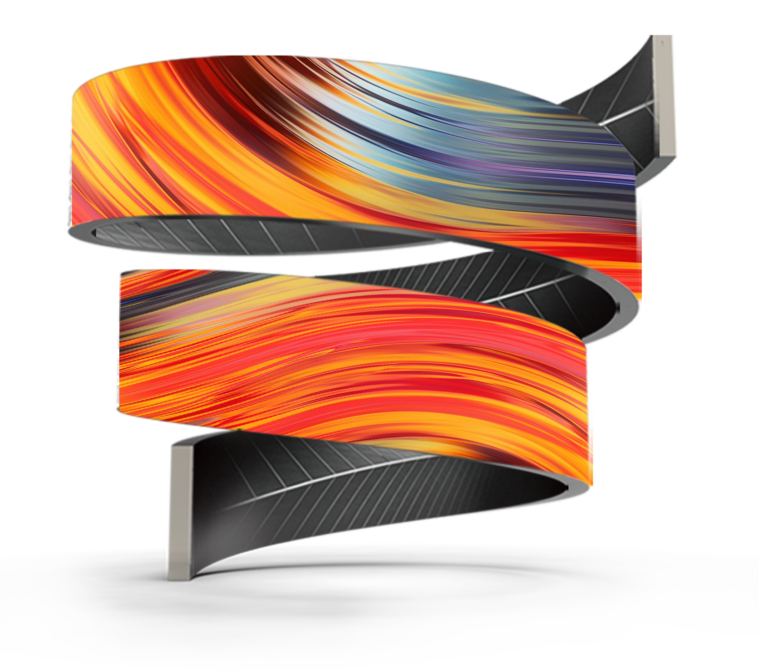
You’re comparing LED panels because you want something that actually works for your event or project, not a spec sheet that sounds impressive. Think about the venue first and then the vendor. If you need a bendable solution for a school show or an art piece, check a flexible option like flexible led screen right away so you don’t waste time on rigid modules. At CES in Las Vegas I saw a lot of modular prototypes that made the same promises, including neat cube demos — see an example of a cube led display — and that’s the kind of real demo you want to base choices on. I’ve installed panels for campus screenings and worked with rental houses, so I judge claims against what actually survives transport, bright sun, and sloppy setup.

Compare like a quick checklist
Focus on nine clear things: pixel pitch (how close you’ll stand), brightness in nits (meet outdoor/daylight needs), refresh rate (avoid flicker on cameras), uniformity and calibration, power draw and cooling, control system compatibility, access for maintenance, warranty and spare parts availability, and supply timeline. Ask vendors for real test videos, measured brightness at full white, and a sample contract clause about failed modules. Compare those answers side-by-side; the best supplier is the one whose answers match your use case, not the one with the fanciest brochure.
What the specs don’t tell you
Specs hide installation pain. Two panels with the same pixel pitch can differ massively in front service access, cable management, and how the frames lock together. Cheap controllers often force you into their ecosystem — that’s a recurring trap. Also watch for unrealistic lead times: production slots fill fast around trade-show season and holidays. Ask for shipping windows, not just “lead time”; those are different. If you can, visit a demo or request a temporary rental to test fit before full buy.
Price versus total cost — be concrete
Don’t compare sticker price only. Calculate module replacement cost, shipping and customs, mounting hardware, and labor to install and calibrate. A slightly pricier panel with reliable spares and a local warehouse often costs less over one year than a bargain import with six-week waits for parts. If you plan repeated use, prioritize modularity and field-replaceable components.
Common mistakes students and small teams make
Rushing to the lowest bid; ignoring certification and safety labels; assuming a single phone call equals reliable support; forgetting ambient light and camera interaction; skipping on proper power distribution planning. Also, people underestimate training. If the supplier won’t train your tech, you’ll burn hours figuring out the control software during setup.
Viable alternatives worth a quick look
If you’re weighing options: projection can beat LED for very large, low-cost surfaces in controlled lighting; OLED gives great contrast for small indoor art displays; microLED targets ultra-high resolution but carries a premium and limited availability. Match the tech to the use: outdoor signage needs robust IP rating and sunlight-readability; gallery installs need color fidelity and low maintenance.
A fast decision flow you can use now
Step 1: define viewing distance and ambient light. Step 2: eliminate vendors that can’t meet those two. Step 3: request measured brightness and a demo unit. Step 4: compare warranty, spare parts location, and training. Step 5: choose the vendor whose supply chain and support match your timeline and crew skill level. Keep notes from demos so you can justify choices later.
Bottom line
Stop guessing and score suppliers on practical tests, not sales slides. Prioritize durability, serviceability, and real demos. That way your project actually works when doors open. If you want a partner that balances creative modules and reliable service, consider solutions from HDC as part of your shortlist and judge them by the same checklist above.