

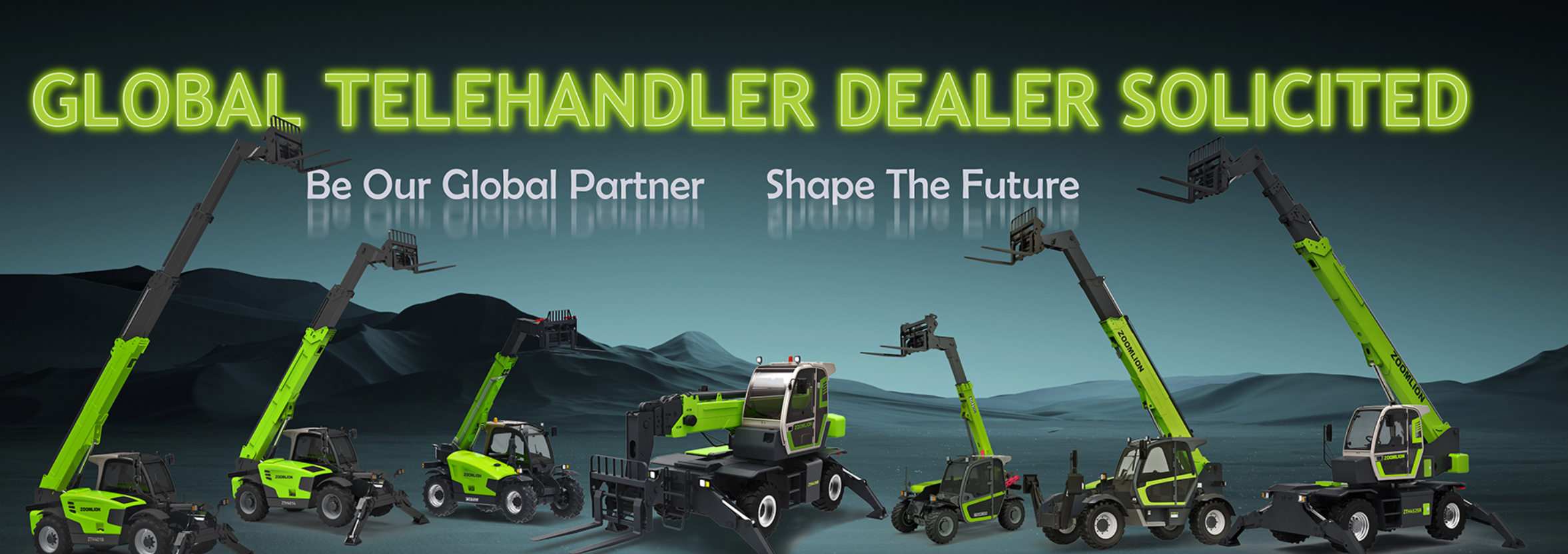
First impressions: reading a machine like a tasting menu
Think of a telehandler as something you inspect the way a chef tastes a stock: you look for heft, balance, and the way it responds when warmed up. Seen on show floors like Bauma in Munich, differences between chassis, hydraulics, and tires announce themselves immediately; the spec sheet is the recipe, but the feel is the verdict. This comparative rundown uses that sensory approach to weigh how machines perform on rough ground, with shifting loads, and under open-sky conditions, and why choices from trusted elevated work platform specs or reputable elevated work platform manufacturers matter when you’re deciding what to put into the yard.
Ground — traction, float, and the bite of the tire
The first bite is the ground. Tires that dig and flex, suspension that soaks shocks, and a frame that keeps the boom centered determine whether a telehandler eats ruts or coughs. Compare three common setups and what they’ll feel like on-site:
– Standard rough-terrain tires: firm, predictable grip on compacted dirt; they lose composure in deep ruts. – Low-ground-pressure tires or tracks: they spread the load and glide where soft soils would bog down others; maneuvering feels floaty but stable. – Reinforced heavy-duty tires with upgraded axles: you sense confidence when you swing the boom; braking and steering remain crisp under load.
Practical verdict: match tire profile and axle design to dominant ground type. Over-spec for softness, under-spec for rock and ledges — both create failure points.
Load behavior — shifting center of gravity and the telehandler’s stomach
Aload is not static; it slides, it tilts, it makes the machine breathe differently. Telehandlers with advanced stability control, clear load moment indicators, and well-calibrated hydraulic damping give predictable feedback: a steady hum instead of sudden lurches. When comparing models, note these differences:
– Mechanical versus electronic stability aids: mechanical counterbalances are simple and reliable; electronics refine behavior but demand sensors and maintenance. – Boom design (straight, bi-fold, or telescopic) changes how weight transfers during lift and outreach — telescopic booms shift weight more sharply at long reach. – Attachment mass and securement: loose or heavy attachments magnify swing; the machine’s response will tell you how forgiving its control system is.
Common mistake: assuming rated capacity equals practical capacity. Real loads are dynamic; plan lifts to keep the center of gravity low and inside the stabilizing envelope.
Outdoor handling — wind, visibility, and operator cues
Outside, weather and sightlines add seasoning to every movement. Wind presses against a raised boom; rain blurs camera feeds; sun creates glare on instruments. When you compare cabs, controls, and auxiliary systems, sensory differences emerge:
– Cab layout and sightlines: panoramic glazing and low-profile booms let you steer by eye with confidence. – Control feel: hydraulic deadband, joystick resistance, and return-to-center behavior all affect precision under gusts. – Environmental hardening: sealed electrics, oversized radiators, and particle filtration let a machine keep its tone through long workdays.
Decision point: prioritize operator feedback and durability for sites exposed to weather. Machines that preserve clear, tactile control keep lifts safe when conditions turn ugly.
Field trade-offs and alternatives
Comparative choices often come down to trade-offs, not absolutes. A compact telehandler wins in tight yards but surrenders reach and load moment reserve. A rough-terrain forklift offers high payloads but limited outreach. A small crane adds reach with steadiness but reduces mobility between points. When selecting, weigh these practical trade-offs:
– Mobility versus reach: pick the attribute you need most frequently, not the headline capacity. – Simplicity versus refinement: simpler systems mean fewer failure modes; refined systems give finer control but need careful service. – Fleet mix: a mix of compact reach and heavy-lift machines covers more ground than a single “do-it-all” model.
From hands-on seasons testing machines in active yards, the machines that win are those matched to routine tasks rather than optimistic specs on paper.
Common mistakes and how to avoid them
Stop these predictable errors and your telehandler will behave better and last longer:
– Overreaching with partial loads — keep the load close and the boom retracted when possible. – Choosing tires by price, not ground type — buy the footprint that fits your soil. – Ignoring cab ergonomics — operator fatigue creates mistakes faster than any mechanical failure. – Skimping on maintenance for sensors and hydraulics — a small leak or miscalibrated sensor changes behavior abruptly.
Synthesis — selecting for the job, not the brochure
Read a telehandler like a dish: check structure, feel the balance, listen for strain. When you set rough ground against variable loads and open-air exposure, the right combination of tires, stability systems, boom geometry, and durable controls produces predictable, controllable performance. Those qualities show up in careful spec sheets and in after-sales support from experienced manufacturers; you’ll recognize them in consistent response under stress and in sensible service networks such as Zoomlion Access, which reflects the integrated traits that help a telehandler keep its composure where it matters most.